
Choosing a diamond for an engagement ring used to be a fairly predictable affair. Most people simply walked into a jeweller’s shop and picked the most sparkly stone they could afford. But tastes have changed. Buyers today are better informed, more particular, and deeply invested in understanding what makes one diamond more beautiful than another. The idea that bigger means better has faded. Instead, the focus is shifting to what matters: the cut.
The cut of a diamond is not merely about shape. It is a technical and artistic achievement that determines how a diamond handles light, whether it sparkles vividly or looks flat and dull. This one attribute, more than any other, controls the visual appeal of a diamond. And for something as emotionally significant as an engagement ring, nothing short of brilliance will do.
Most buyers are familiar with the 4Cs , cut, colour, clarity, and carat. But fewer understand that this system, introduced in the 1940s, was never meant to imply that all four carry equal weight. In reality, the cut has the most significant impact on a diamond’s beauty. A poorly cut diamond will look lifeless, even if it scores high marks in colour or clarity.
An expert will often recommend prioritising excellent cut, while opting for slightly lower grades in colour and clarity to maximise value without compromising appearance. For example, a diamond in the G-H colour range with VS2 clarity can look nearly identical to one graded D and VVS1, but cost significantly less.
Fun Fact: The Gemological Institute of America (GIA) only issues an overall cut grade for round brilliant diamonds. All other shapes, known as fancy cuts, are evaluated by polish and symmetry alone.
If brilliance is what gives a diamond its magic, then the cut is what unlocks it. A well-cut diamond reflects light through the crown and table, returning it to the viewer’s eye with fire and sparkle. It can appear brighter, more lively, and even larger than its carat weight would suggest. On the other hand, even the most colourless, flawless diamond will underwhelm if the cut is poor.
What makes this characteristic unique is that it is the only one of the 4Cs influenced by human skill. A diamond’s colour and clarity are natural features, but its cut is crafted. This places significant power in the hands of the cutter. A skilled artisan can elevate a modest, rough stone into something truly magnificent, while a careless or profit-driven cut can waste even the finest raw material.
This also explains the growing demand for Triple Excellent diamonds, stones that achieve top GIA grades for cut, polish, and symmetry. These reflect not only technical perfection but the highest possible light performance.
It is common to hear the words “cut” and “shape” used interchangeably, but they refer to different aspects of a diamond. Shape describes the stone’s silhouette, round, oval, cushion, princess, and so on. Cut, by contrast, refers to the technical geometry that affects how light behaves within the stone.
While the GIA provides an overall cut grade only for round brilliants, fancy shapes such as oval, pear, and emerald do not receive the same unified score. Instead, their quality must be judged by examining symmetry, polish, and proportions. This includes details like table size, depth, and the presence or absence of optical artefacts like the bow-tie effect.
For this reason, buyers should pay particular attention when considering fancy cuts. Because there is no single cut grade to rely on, assessing the diamond’s beauty becomes a more visual and consultative process. Relying on a trusted jeweller or gemologist is often essential.
To identify the best diamonds for engagement rings, it is important to understand what makes a cut superior. Several technical and aesthetic elements work together to create that unmistakable sparkle.
Brilliance refers to the amount of white light a diamond reflects from its surfaces and interior. It is one of the primary measures of sparkle. A diamond with excellent proportions will return most of the light that enters it, rather than allowing it to leak through the bottom or sides.
This effect depends entirely on precision. Even small errors in facet angles or alignment can reduce brilliance dramatically. For this reason, brilliance is often considered the most visible indicator of cutting skill.
Fire describes the flashes of rainbow colours that occur when white light is split inside the diamond. It adds an element of drama and vibrancy, especially in environments with point lighting, such as jewellery counters or evening venues.
A diamond’s fire is influenced by the angles and arrangements of its crown facets. While all cuts are capable of producing fire, some shapes, especially those with larger crowns, do so more dramatically.
Scintillation is the sparkle a diamond produces when it or the light source moves. It arises from the interplay between bright and dark areas created by facet reflections. A well-cut diamond will show a lively, patterned display that appears crisp and balanced.
Importantly, it is not just about brightness. Scintillation also involves contrast. The dance between light and shadow is what gives a diamond its hypnotic effect.
These are the hidden disciplines of diamond cutting. Symmetry ensures that facets are aligned and proportioned correctly. Polish refers to the smoothness of those facets. Both influence how cleanly light can enter and exit the stone.
Poor symmetry can distort the pattern of reflections and reduce brilliance. Rough polishing can scatter light unpredictably, dulling the effect. For fancy shapes that lack an overall cut grade, symmetry and polish become critical indicators of quality.
Not all cuts offer equal resilience. Shapes with pointed tips, such as princess, marquise, or pear, are more prone to chipping, especially if they have thin girdles or exposed corners. Round and cushion cuts, by contrast, offer natural durability due to their lack of sharp points.
Durability is not just about the diamond itself. The setting plays a vital role in protection. V-prongs, bezel settings, and reinforced mountings can all reduce the risk of damage.
The market can influence what is available and at what price. Round brilliants dominate due to their performance and universal appeal. This high demand makes them the most expensive shape per carat, but also the most reliable in terms of cut grading and resale value.
Fancy shapes such as oval and cushion cuts have grown rapidly in popularity, often offering better value for size and a distinctive look. Trends shift, but some shapes, particularly round, oval, and emerald, tend to remain fashionable year after year.
Selecting the ideal diamond shape is as much about personal taste as it is about gemological performance. However, some cuts consistently deliver superior brilliance, versatility, and enduring appeal. This ranking considers brilliance, fire, durability, price-to-performance value, and current demand.
The round brilliant cut remains the definitive choice for engagement rings. With 57 or 58 precisely calculated facets, it is engineered for maximum light return. It also benefits from being the only shape with a formal GIA cut grade, allowing buyers to make confident, informed decisions.
The round brilliant performs exceptionally well across all lighting environments. Its symmetrical outline and optimal proportions allow it to hide minor inclusions and body colour more effectively than most fancy shapes. It is also highly durable due to the absence of sharp corners. However, it comes at a premium, both because of demand and the wastage involved in cutting.
Best for: Timeless elegance, unrivalled sparkle, excellent resale potential.
Most suitable clarity and colour pairing: VS2 to SI1 clarity, G to H colour.
The oval cut delivers brilliance similar to the round brilliant but offers a more elongated profile. This not only creates the illusion of longer fingers but also gives the diamond a larger face-up appearance per carat.
Its main drawback is the potential for a bow-tie effect, a dark area across the centre. A skilled cutter can minimise this, though it is best viewed in person or via high-resolution video. Oval cuts are also more likely to show body colour, especially near the tips, which should be considered when selecting a colour grade.
Best for: Maximising visual size, a softer look with modern flair.
Most suitable clarity and colour pairing: SI1 to VS2 clarity, F to H colour.
The cushion cut, known for its rounded corners and square or rectangular outline, combines a vintage aesthetic with modern sparkle. It comes in two visual styles: the chunky old mine look with larger facets, and the crushed ice variant with more scattered reflections.
Cushion cuts tend to show colour more readily, especially in the corners. However, their brilliance and soft shape make them popular for halo settings and antique-inspired designs.
Best for: Romantic appeal, excellent fire, customisation options.
Most suitable clarity and colour pairing: VS2 to SI1 clarity, H to I colour.
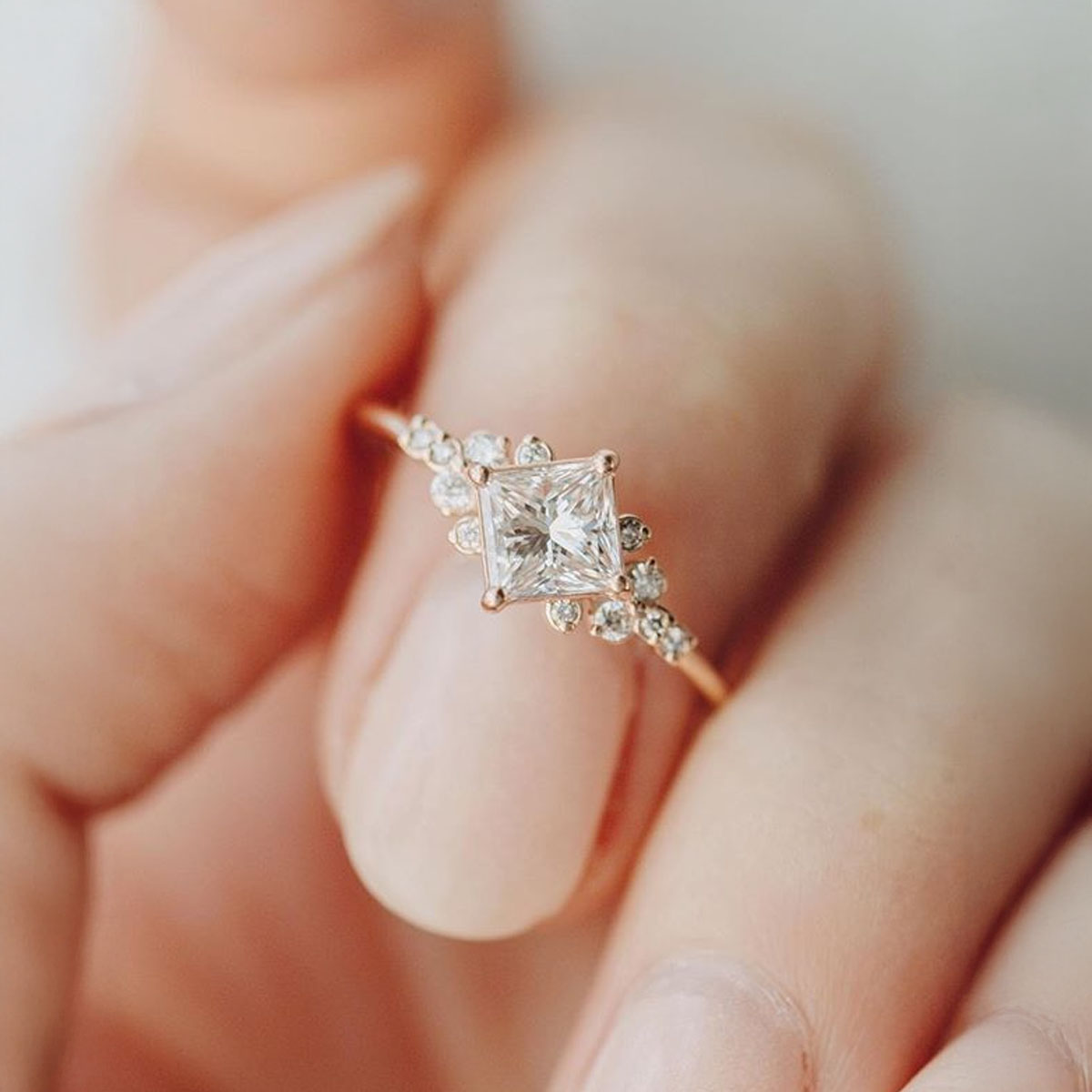
The princess cut is the most popular square-shaped diamond. Its faceting structure promotes strong sparkle and contrast. It typically costs less per carat than round brilliants due to better yield from the rough diamond.
The cut’s biggest weakness is its pointed corners, which are prone to chipping unless protected by V-prongs. It also reveals more colour in the corners, so a higher colour grade may be required for a truly icy appearance.
Best for: Geometric elegance, modern minimalism, excellent value.
Most suitable clarity and colour pairing: VS2 clarity, G to H colour.
With its long, step-cut facets and open table, the emerald cut offers a hall-of-mirrors effect rather than sparkle. It appeals to those who value clarity, symmetry, and an understated style.
Because of its open structure, this shape does little to hide inclusions or colour. Higher grades in both are usually necessary, especially for larger stones. Yet its clean lines and vintage glamour have enduring appeal.
Best for: Understated luxury, Art Deco settings, clarity connoisseurs.
Most suitable clarity and colour pairing: VS1 clarity, F to G colour.
The radiant cut blends the silhouette of an emerald with the brilliance of a round. With up to 70 facets, it offers vibrant sparkle and is particularly effective at hiding inclusions.
Its trimmed corners offer added durability, and its versatility in both square and rectangular shapes makes it a strong choice for modern styles. It does not receive a GIA cut grade, so visual inspection is crucial.
Best for: Bold sparkle in a rectangular shape, creative settings.
Most suitable clarity and colour pairing: SI1 clarity, G to H colour.
The pear cut, with its rounded end and pointed tip, is highly expressive and distinctive. It suits those seeking something non-traditional, and when well cut, it offers excellent fire and brilliance.
Its drawbacks include vulnerability at the pointed end and a higher likelihood of a bow-tie effect. Symmetry is fundamental in this shape, a poorly aligned pear can appear off-balance.
Best for: Unique character, vintage charm, elongating the hand.
Most suitable clarity and colour pairing: VS2 clarity, G to H colour.
The asscher cut is a square variant of the emerald cut, characterised by deeply trimmed corners and concentric step-cut facets. It produces a distinctive windmill-like optical pattern and is often favoured for its vintage look.
Due to its transparency, inclusions and colour are more visible. Symmetry is critical and often determines whether the pattern appears sharp or muddled.
Best suited for: Vintage lovers, those with an affinity for Art Deco aesthetics, and those who appreciate symmetrical designs.
Most suitable clarity and colour pairing: VS1 clarity, F to G colour.
The marquise cut is a boat-shaped diamond with pointed ends. It offers an elongated appearance and high face-up surface area, making it seem larger than it is. It is also steeped in romantic history, said to mimic the smile of the Marquise de Pompadour.
While visually striking, marquise diamonds require careful handling due to their sharp points. Symmetry and bow-tie visibility should also be closely checked.
Best for: Maximising size, vintage silhouettes, bold statements.
Most suitable clarity and colour pairing: VS2 clarity, G to H colour.
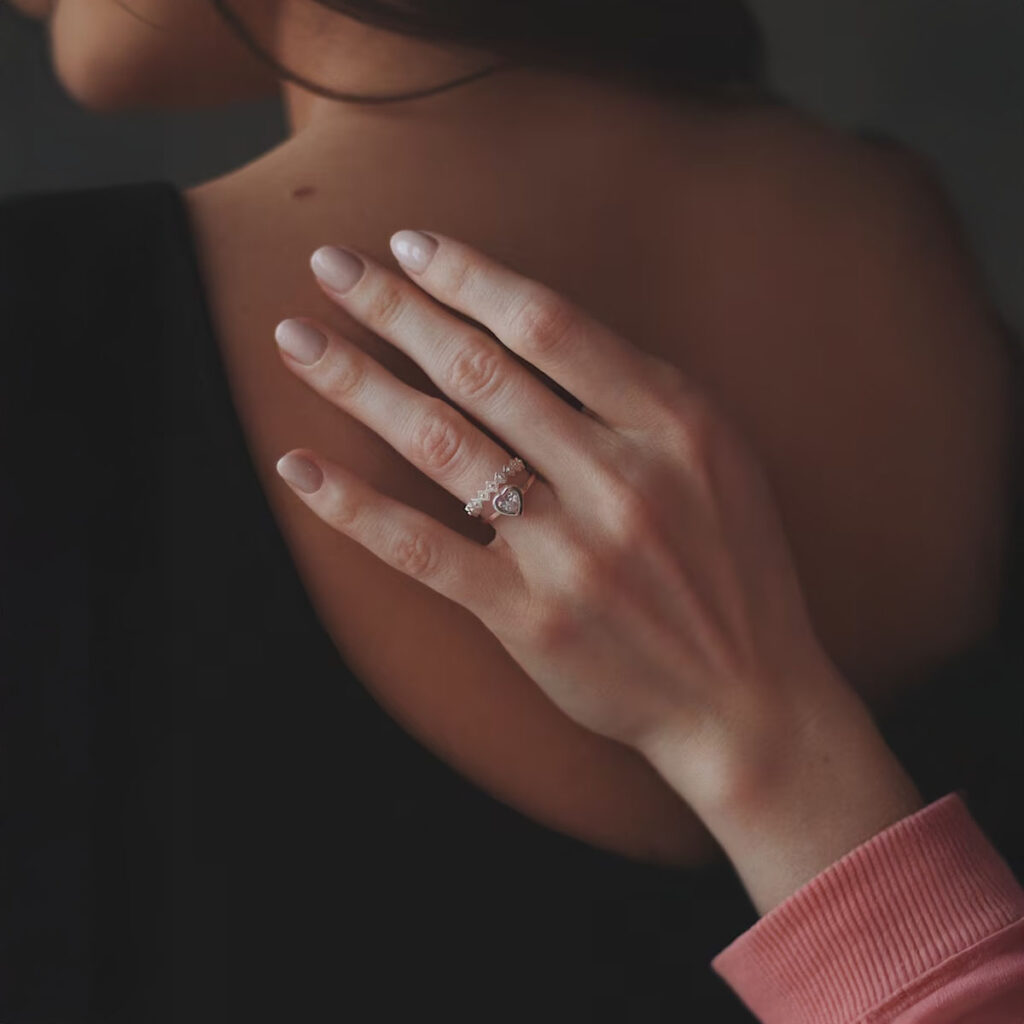
A heart cut diamond is the most literal representation of love. It is challenging to cut well and requires larger carat weights to show its outline clearly. Symmetry and definition of the cleft are essential.
This shape tends to show more colour and inclusions, especially near the tip. It also requires thoughtful setting to protect vulnerable edges.
Best for: Symbolic impact, bold romantic gestures.
Most suitable clarity and colour pairing: VS2 clarity, F to G colour.
In truth, the best diamond cut for an engagement ring depends on what matters most to the wearer. Suppose light performance is the priority; a round brilliant remains unmatched. For those seeking something more personal or distinctive, a fancy cut such as oval, radiant, or cushion may offer the perfect balance of beauty and originality.
However, across all shapes, the same rule holds true: cut quality is everything. No amount of carat weight or high clarity can compensate for poor light performance. A well-cut diamond, regardless of shape, will always appear brighter and more beautiful.
Buyers are encouraged to seek stones with excellent symmetry, polish, and proportions. Where available, a GIA or IGI grading report can provide confidence. And above all, view the diamond in varied lighting and trust your eyes. If it sparkles, it speaks.
Fun Fact: Some of the most famous diamonds in the world, including the 105-carat Koh-i-Noor, are cut in shapes that prioritise historical significance over brilliance. Today’s ideal cuts are a relatively modern invention driven by optical science.