
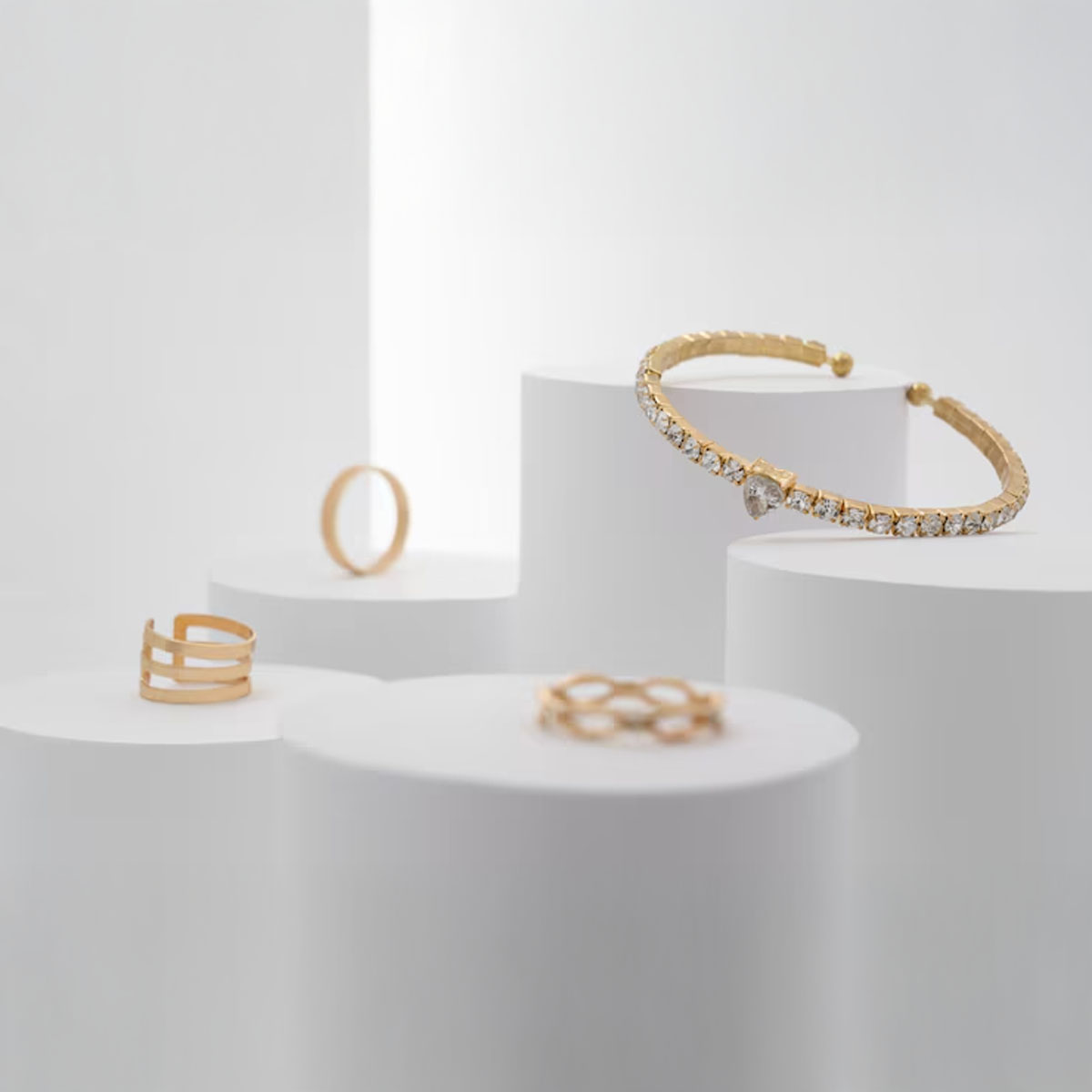
In workshops from Birmingham’s Jewellery Quarter to the glittering boutiques of Bond Street, a quiet miracle of metallurgy sits beneath the spotlight. White gold jewellery has become the metal of choice for proposals in London cafés, anniversary gifts exchanged on Cornish beaches, and heirlooms passed down in Scottish farmhouses. Its cool sheen appears clean and contemporary, yet its story is stitched to centuries of goldsmithing tradition. Shoppers often approach the counter thinking it is a natural element, only to discover that their future wedding ring is, in fact, the result of expert alloying and patient polishing. That surprise, and the curiosity it sparks, has propelled white gold from curiosity to the cornerstone of British fine jewellery culture.
Pure gold is famously soft and has a deep, buttery yellow hue. Jewellers toughen and lighten it by combining it with palladium, nickel, silver or zinc. The chosen recipe affects colour, weight and workability. A high‑palladium mix gives a naturally paler finish and is prized for its hypoallergenic quality. Nickel creates a harder, brighter alloy, but it is also the main source of the nickel allergy that troubles roughly ten per cent of Europeans. Whatever the formulation, the metal never becomes ice white on its own. It remains a warm champagne shade that customers rarely see because every finished piece is bathed in a skin of rhodium.
Fun Fact: Rhodium is so scarce that all the annual global supply would fit comfortably inside two London taxis. Yet, an invisible film only a few microns thick can transform gold’s colour and hardness.
Rhodium plating is an electrochemical process. The jeweller cleans the ring until it gleams under strong light, suspends it in a bath and passes a gentle current through the solution. Ions of rhodium settle evenly across the surface, sealing pores and levelling micro‑scratches. The result is a mirror finish that makes a quarter‑carat diamond look half a size larger by bouncing extra light through the pavilion. Over time, everyday friction wears the coating on contact points such as the base of a ring or the catch of a bracelet. When the yellowish core peeks through, a quick re‑plating restores the icy tone for another couple of years. Owners who schedule the service alongside annual gemstone checks keep their jewellery looking shop‑fresh for decades.
Carat measures purity in twenty‑four parts. 18ct white gold holds seventy‑five per cent pure gold, while 14ct contains a little over fifty‑eight per cent. The higher gold content makes 18ct slightly softer and richer in colour beneath its plating, which skilled setters favour because prongs can be pushed smoothly over a gemstone without cracking. Wedding band buyers with hands that meet keyboards, steering wheels or bicycle handles appreciate the extra scratch resistance of tougher 14ct. Price tells a similar story. A simple 2 mm court‑shaped ring starts near £200 in 14ct, nudging past £300 for the heavier 18ct equivalent. The visible difference on day one is negligible once both are rhodium‑coated, so the decision rests on budget, lifestyle and sentimental preference for higher purity.
Maintenance is the only real drawback to white gold. Unlike polishing yellow gold, re‑plating is an all‑or‑nothing exercise. The jeweller polishes away the remnants of the old layer first, briefly revealing the alloy beneath, then applies a fresh coat. Charges average £50 across the UK, though some high‑street chains include the first service free with an engagement ring. Clients sometimes ask whether frequent plating thins the band. The answer is no; rhodium is removed and replaced without shaving the underlying gold.
Those sensitive to nickel should ask whether a piece is manufactured in a palladium alloy or carries a assured plating thickness of at least 0.2 microns. If an item will be subjected to daily wear and sweat, extra-thick plating is worthwhile insurance against a flare-up of contact dermatitis.
White gold exists because industry found itself in a bind during the First World War. Platinum was declared a strategic asset for aircraft spark plugs and explosives, so jewellers searched for an affordable platinum alternative. German chemists in Pforzheim perfected an alloy that appeared similar on the surface yet conserved scarce resources. The Art Deco period seized on its monochrome possibilities. Cartier’s sharp geometric brooches in the 1920s framed diamonds in a way that yellow gold never could. Consumers who associated platinum with royalty now had access to a modern substitute, cue soaring demand.
Britain followed suit. When rationing relaxed after World War II, new couples adopted the sleek look as a symbol of rebuilding and optimism. By the late 1990s, sales figures from the National Association of Jewellers showed that white gold was outranking yellow gold for engagement settings across the UK, a position it still holds today.
To create pieces that last, jewellers balance several factors:
Shoppers comparing quotes should check three details stamped inside the shank: the fineness number (585 or 750), the Assay Office symbol (anchor, leopard, rose or castle) and the maker’s mark. Together they verify that the gold content is genuine. Any item heavier than one gram, offered without a hallmark, is illegal to sell in the UK.
Confidence in metal purity is baked into national law. The Hallmarking Act means even a £50 stud earring must visit an Assay Office before it reaches the shop window. Beyond legal assurance, consumers now scrutinise ethical credentials. Refiners such as Cooksongold supply sustainable gold reclaimed from redundant electronics and manufacturing waste. Recycling reduces the carbon footprint compared to open-pit mining and avoids the social issues associated with some large-scale extraction. Independent makers in Hatton Garden highlight their use of recycled feedstock on invoices, giving couples comfort that their love token did not come at the planet’s expense.
British jewellers also tackle health concerns head‑on. Most have phased out nickel in new bespoke commissions, switching to palladium alloys and offering lifetime re‑plating guarantees. That transparency boosts trust and keeps fans returning for matching eternity rings or christening charms.
When you next admire the cool gleam of a diamond engagement ring in a display case, remember the intricate engineering that lies behind that shine. Ask the salesperson five straightforward questions: carat purity, alloying metals, plating thickness, maintenance cost and hallmark location. Compare the answers with independent workshops if unsure. Your choice will balance hardness, future servicing and sentimental value. Treat the metal with sensible care, remove rings before lifting weights in the gym and book a check‑up each wedding anniversary. Do so, and the bright reflection you slip on today will still sparkle at a golden celebration half a century from now, proof that thoughtful metallurgy can carry love through a lifetime.
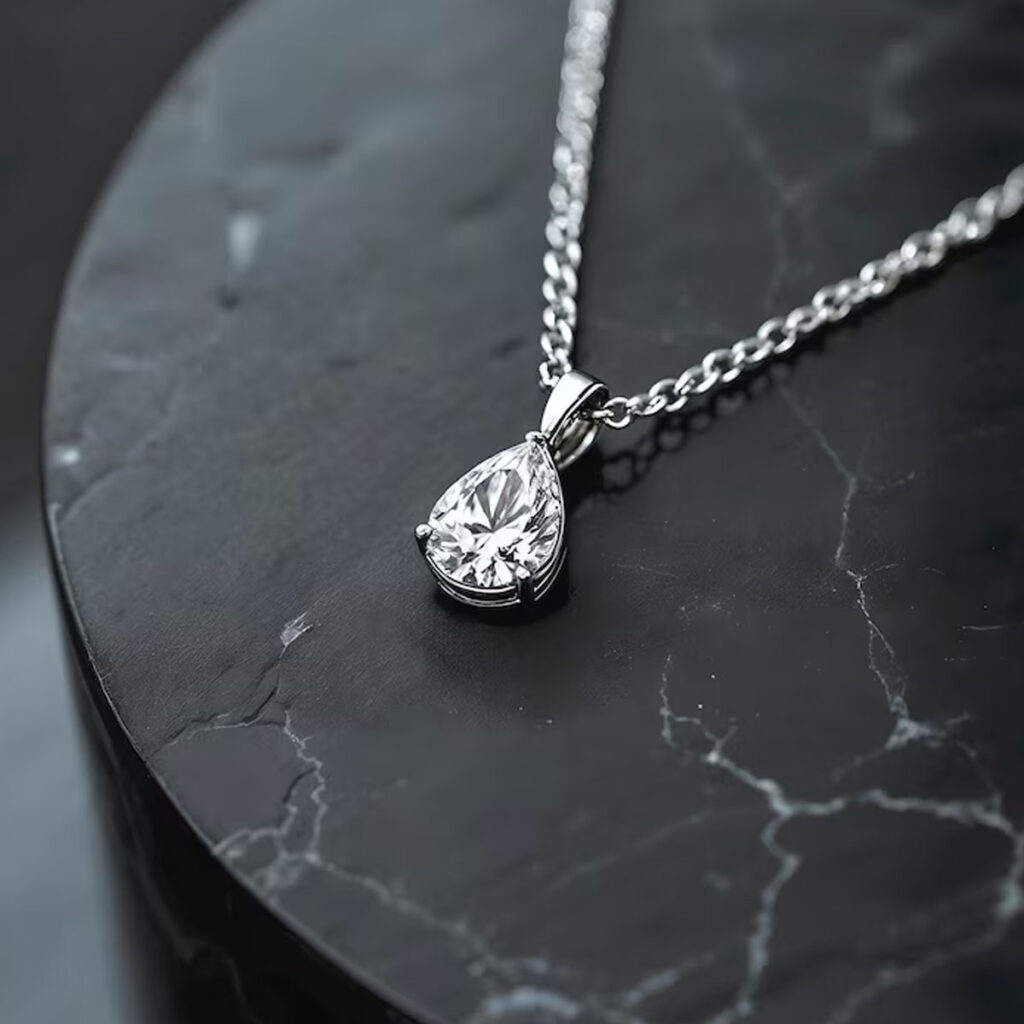
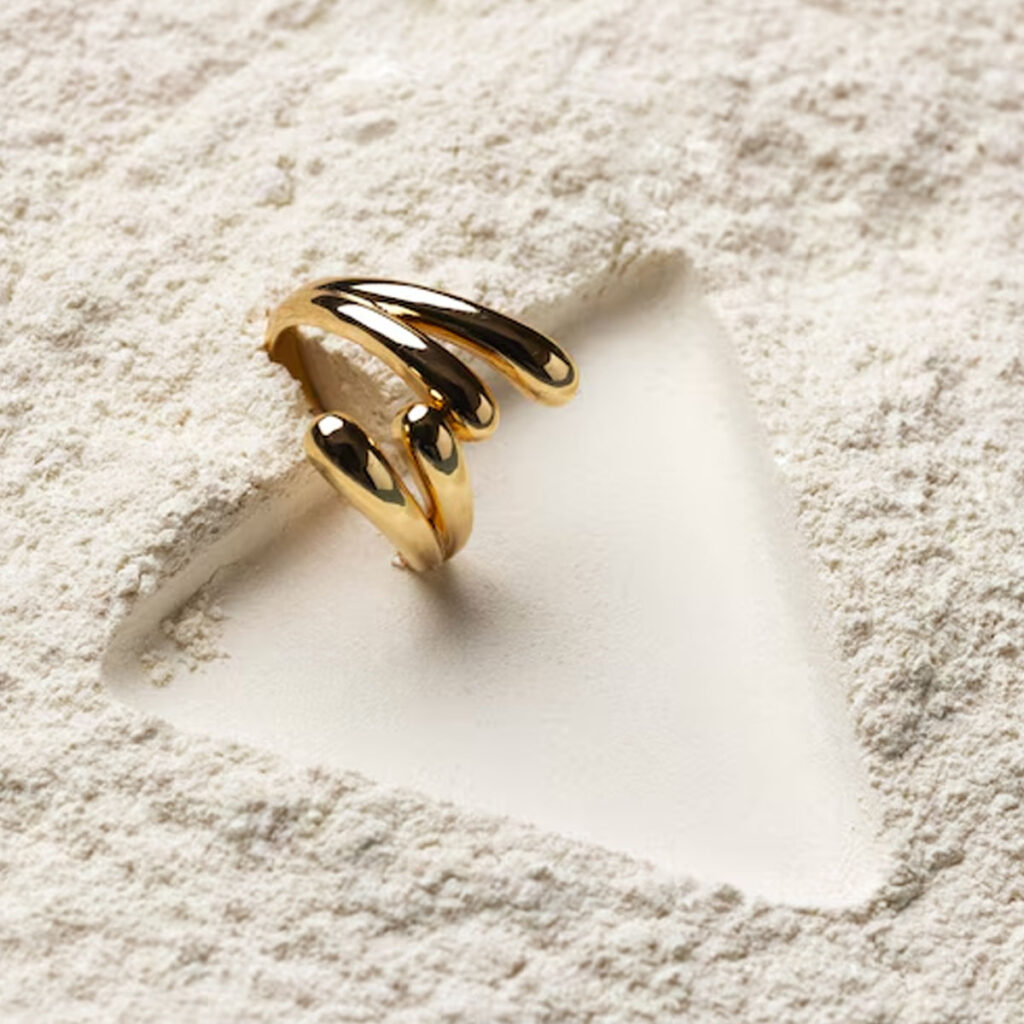
Shoppers rarely choose white gold in a vacuum. They weigh it against yellow or rose alloys and, most of all, against platinum itself. Yellow gold carries that familiar antique glow yet softens easily, which means a vintage‑style solitaire may show a dent before the first anniversary. Rose gold owes its blush to copper, which lends it impressive surface hardness and a romantic hue. Platinum, by contrast, is dense and naturally silver‑white. At purchase, it costs more and feels heavier on the hand, but it keeps its colour for life and the metal never wears away, any scratch simply shifts the surface rather than removing it. White gold sits neatly between these camps. It is lighter on the hand than platinum, more durable than yellow gold and visually neutral enough to flatter every gem, from icy diamonds to teal sapphires.
platinum jewellery lovers often cite low upkeep as the clincher, while white gold owners point to lower entry price and the bright sparkle of a new rhodium coat. Over the past fifteen years, routine replating has narrowed the cost gap while offering the welcome option of a full polish each time, which erases life’s scuffs and restores showroom shine.
A lifelong sparkle comes down to habits rather than complicated chemistry. Soap residue dulls rhodium, so rinsing rings under warm water while brushing gently with a baby‑soft toothbrush once a fortnight keeps settings bright. For a deeper clean, add a teaspoon of mild washing-up liquid to a mug of warm water and let it sit for twenty minutes to loosen hand cream and perfume traces. Ultrasonic baths sold to hobbyists work well on diamond‑only pieces, though they can shake inclusions loose in emeralds or morganite, so a professional opinion is wise before pressing the button.
Professional servicing is part of ownership. Re‑plating every eighteen months keeps the surface pristine. While the jeweller has the ring, they will secure claws and tighten bezels. This preventative check costs nothing at many high‑street chains and saves heartbreak later. Storing white gold separately inside a cotton pouch stops harder stones in other pieces from leaving hairline scratches. Rings should come off before weights sessions at the gym or gardening with grit. Following these simple rituals turns fine jewellery into a trustworthy daily companion rather than a special‑occasion ornament.
Sustainability concerns rise with every news cycle. ethical sourcing now influences purchasing almost as much as design. Recycled white gold, refined from outdated electronics or scrap jewels, enters the market as pure 24‑carat metal before being alloyed again. Because recycling consumes a fraction of the energy required for open‑pit mining and sidesteps social risks in conflict zones, many independent British designers trumpet their use of recycled or Fairmined bullion. Customers should feel comfortable asking for documentary proof.
Health considerations matter too. Nickel sensitisation affects roughly one in ten UK adults. If skin reddens beneath a watch back or a cheap fashion earring, opt for palladium-based alloys or platinum outright. Rhodium does shield skin from nickel, but once the coat thins, the reaction can return. Responsible retailers clearly label alloy content, a sign that consumer welfare outranks sales targets.
Every white gold item over one gram sold in Britain must carry a full UK hallmark. Inside a ring you will find three symbols: the maker’s stamp, the fineness number and the Assay Office badge. The number 750 confirms 18-carat purity, while 585 indicates 14-carat purity. A leopard’s head shows the piece was tested in London, an anchor signals Birmingham, a rose means Sheffield and a castle denotes Edinburgh. Checking these tiny motifs under a loupe takes seconds and guarantees the metal content promised on the receipt.
Where to buy depends on budget and taste. Bond Street icons such as Boodles pair flawless diamonds with exquisitely polished 18‑carat settings and offer lifetime servicing to match the price tag. In Hatton Garden, artisans like Simon Wright or Harper Tait invite couples to sketch designs over coffee, then craft the ring on site using recycled palladium‑white alloys. High-street chains offer affordability and nationwide aftercare, but may rely on thinner rhodium coats, so factor in future salon visits when considering the price. Online‑only jewellers increasingly post resin prototypes to clients for size checks, blending convenience with custom work, though returns policies and insured shipping costs deserve a careful read.
Clear answers signal a retailer that values transparency over fast turnover.
White gold is more than a commodity. When a designer carves star‑shaped prongs to echo the London skyline or engraves a family motto inside a band, the material becomes a narrative carrier. 18‑carat white gold bends without cracking, so jewellers can millgrain edges or weave filigree across a cathedral shank that frames a sapphire illuminated by evening light. The palladium inside the alloy means the claws grip stones safely after repeated resizing, a benefit rarely mentioned on sales floors but treasured by families who pass rings down through generations.
The same adaptability enables forward-thinking brands to seamlessly integrate old and new. Discarded workshop filings, once swept up and sold for scrap, now feed small arc furnaces next door, closing the loop and reducing transport emissions. Clients receive a photograph of their own gold melting alongside the new alloying metals, creating a tangible link between past and future.
White gold earned its position through scientific ingenuity and aesthetic versatility. It shines like platinum on day one yet asks a friendlier price. It is light enough for daily comfort, strong enough for gemstone security and, when alloyed without nickel, kind to sensitive skin. Maintenance is predictable and affordable, turning a mechanic‑style service into a moment of sentimental renewal. Whether purchased from a heritage house on Old Bond Street or commissioned over tea with a Hatton Garden goldsmith, a well-made white gold ring embodies quiet British confidence, understated, clever, and designed to last.
Just as a well‑kept garden rewards steady care, fine jewellery flourishes when owners give it time and attention. As the saying goes, look after the pennies and the pounds will look after themselves , invest a little care and your white gold will repay you with decades of brilliant memories.