
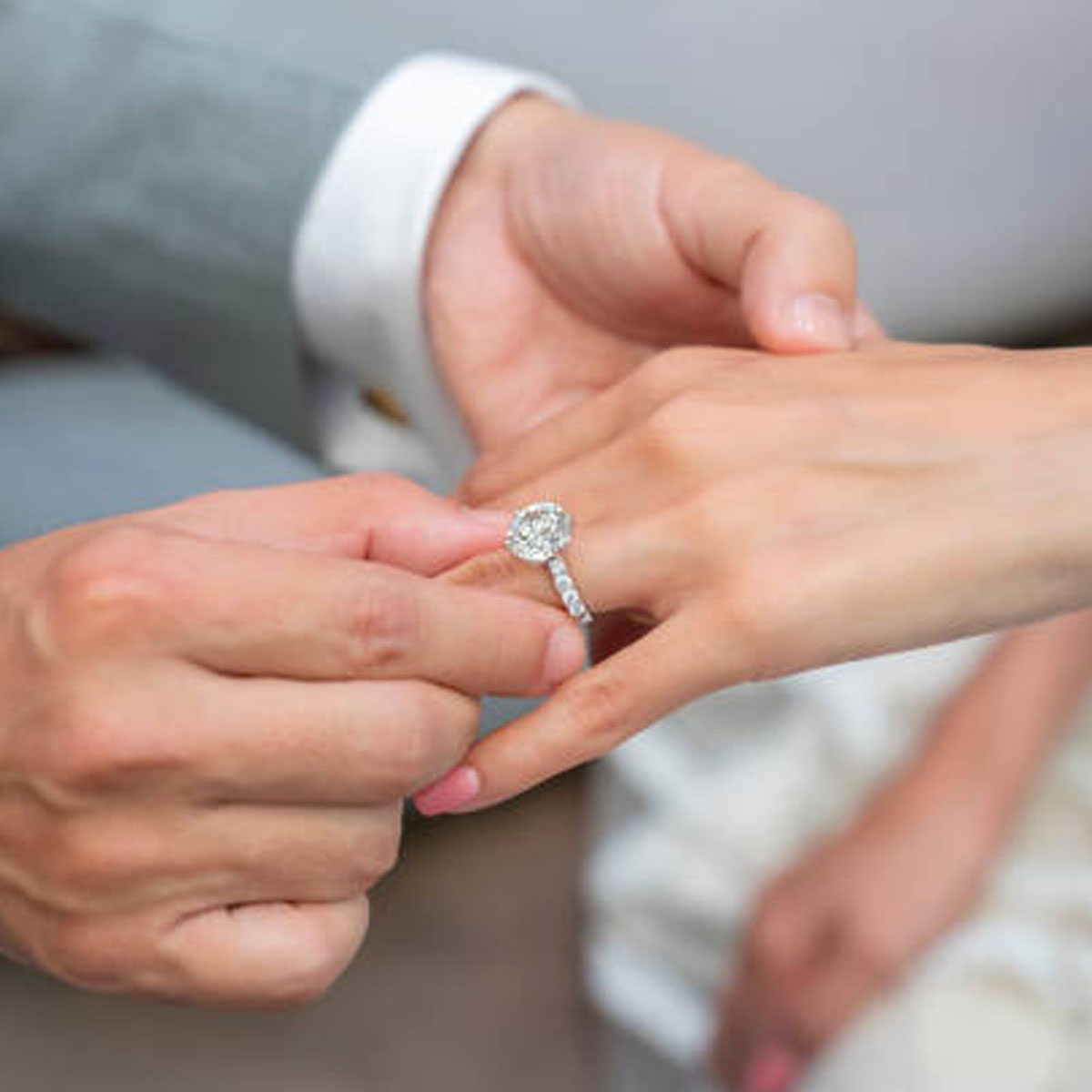
Commissioning a bespoke engagement ring is not a routine purchase. It is a private collaboration in which lived experience becomes design and design becomes a lifelong marker of intent. The most demanding clients now look beyond logos to proof, craft, and provenance. They want a piece that speaks for them without shouting. They expect discreet service, deep technical assurance, and beauty that holds up under magnification. This article meets that intent. It explains how a commission moves from first conversation to finished piece, why Hatton Garden jewellers remain the benchmark, and how to select stones, metals, and settings that balance poetry with engineering. Suppose you are weighing bespoke engagement ring London options and want to move from interest to action. In that case, you will find precise, practical detail, links to related resources on site, and the signals of trust that matter when you are investing at the high end.
The most substantial commissions begin with a story. Your shared history shapes the brief, your lifestyle narrows engineering choices, and your personal taste sets the line of the piece. From that point forward, the process becomes structured. A designer captures requirements. A gemmologist validates stones. A goldsmith engineers tolerances. Each step creates documentation, from design renders to grading reports, so that the finished ring has a traceable record. The result is a future heirloom that is both intimate and auditable. That is the art and the science.
For affluent buyers in 2025, luxury is defined by meaning and proof rather than volume and noise. A bespoke ring functions as a personal artefact with emotional weight. It signals commitment, marks achievement, and folds private references into a public object. The value is not only visible on the finger. It lives in the narrative, in handwritten sketches, in CAD checkpoints, and in the knowledge that you chose each element deliberately. This preference sits within a wider shift toward verified quality and transparent sourcing. Clients want the freedom to create a one-off while keeping their affairs private. The best ateliers deliver both.
Three pillars shape perceived value. First, provenance. The origin of the stone, the maker’s hand, and the dated milestones of production form a documented chain that can be shown or kept sealed. Second, privacy. High net worth clients require quiet rooms, fixed points of contact, and discretion across communications and billing. Third, service. The experience should feel like working with a trusted adviser who can translate vision into reality and explain trade-offs without jargon. When these elements align, exclusivity gains substance.
The first meeting is a working conversation, not a sales script. Your designer will ask about aesthetic references, daily routine, and practical constraints. If the ring will be a surprise, measurements and style cues from existing jewellery help. To make the session productive, prepare a digital mood board that reflects what you love in architecture, fashion, and nature. Establish a budget range in advance. This guides stone category, setting complexity, and metal choice, and it keeps the process efficient.
Setting choice fixes both look and function. It governs light return, snag behaviour, maintenance needs, and how a future wedding band will sit. Below is a compact reference using plain language.
| Style name | Visual description | Stone security | Snag risk | Wedding band compatibility | Best for |
| Solitaire 6 prong | One centre stone held by 6 claws | High | Low to medium | Usually flush | Round diamond, timeless look, active wear |
| Solitaire 4 prong | One centre stone held by 4 claws | Medium | Low to medium | Usually flush | Princess, emerald, or fancy shapes with maximum exposure |
| Halo | Centre stone encircled by pavé | High | Medium | Often needs a shaped band | Bigger apparent size, maximum sparkle |
| Hidden halo | Micro halo below the crown | High | Low | Generally flush | Discreet detail for the wearer |
| Three stone | Centre with two side stones | High | Medium | Flush or shaped depending on design | Symbolism of past, present, future |
| Bezel | Continuous metal rim around girdle | Very high | Very low | Often flush if profiled cleverly | Active lifestyles, modern lines, stone protection |
| Tension | Band pressure holds the stone | Very high | Very low | Usually a custom-shaped band | Bold minimalism with strong engineering |
Trends continue to evolve. East-West layouts place elongated stones horizontally across the finger for a contemporary silhouette. Toi et Moi pairs contrast shapes or colours for personal symbolism. A halo engagement ring remains effective when you want extra presence without increasing centre stone size. For active clients, bezel and tension structures provide superior protection and clean geometry.
Comfort is a design requirement, not a luxury. Profile height affects glove use and pocket wear. Prong shape changes snag behaviour. The gallery should allow easy cleaning and airflow. If you plan to stack a wedding band, specify a bridge under-gallery rather than a solid donut so both rings sit flush. Edge softening on the shank improves all-day wear. Ask your maker to show side-on renders with measured heights, claw shapes, and band thickness after finishing, not just before polishing.
Your centre stone sets the tone. Each category carries distinct strengths.
Natural diamonds formed over geological time. They are finite and carry historic weight. Many clients value that sense of permanence.
Lab grown diamonds are chemically and optically identical to natural. They are produced in weeks and typically cost 60% to 80% less for comparable grades. That price delta can fund a larger size, a higher cut quality, or more intricate setting work.
Coloured gemstones such as sapphire, ruby, and emerald offer high individuality. Colour drives value more than clarity. Expect inclusions in emeralds. Understand hue, tone, and saturation, and judge stones in varied lighting.
Because there is no single overarching cut grade for fancy shapes, proportion and optics must be assessed by eye and by measurement. Use this as a starting brief.
| Shape | Ideal L/W ratio | Recommended depth % | Recommended table % | Visual checks |
| Oval | 1.35 to 1.50 | 60 to 63 | 56 to 60 | Symmetry, gentle outline, controlled bow tie |
| Emerald | 1.35 to 1.50 | 66 to 69 | 61 to 65 | High clarity target VS1 or better, parallel steps, crisp corners |
| Cushion square | 1.00 to 1.04 | 67 to 70 | 59 to 63 | Even light return, decide between chunkier or crushed-ice facets |
| Pear | 1.45 to 1.55 | 60 to 63 | 56 to 60 | Even shoulders, protected point, minimal bow tie |
| Princess | 1.00 to 1.04 | 71 to 75 | 68 to 72 | Excellent symmetry, unabraded corners |
| Radiant rectangle | 1.25 to 1.40 | 67 to 70 | 64 to 68 | Brilliance of a round with trimmed corners |
| Marquise | 1.80 to 2.10 | 60 to 63 | 56 to 60 | Sharp, aligned points, manage bow tie with expert selection |
Cut controls light. For round brilliants, the GIA cut grade synthesises brightness, fire, and scintillation with design and craft factors. Look for clean polish, precise symmetry, and sensible weight ratio so you are paying for face-up presence, not hidden depth. For scientific reinforcement, the AGS light performance scale, available as a GIA supplement, models ray paths and scores optical behaviour. For fancy shapes, rely on experienced eyes. Assess table size, crown height, and pavilion angles in motion, not just on paper. View in daylight, spotlight, and diffused light. If an elongated shape shows a dark bow tie, gauge its strength and whether the rest of the facets carry enough life to balance it.
Independent grading is a must. A GIA certificate verifies the 4Cs and inscriptions allow report-to-stone matching. Ask for laser inscription of the report number on the girdle for quick verification. If provenance matters to you, discuss mine-to-market documentation and digital tracking. Some clients prefer programmes that show origin, cutting workshop, and chain of custody. Others prefer privacy. The best houses can structure documentation to your preference, either sealed for your records or paired with a shareable summary.
Fun Fact: The Leopard’s Head is the historic mark of the London Assay Office. For centuries, it has signalled that a precious metal article met the stated fineness after independent testing.
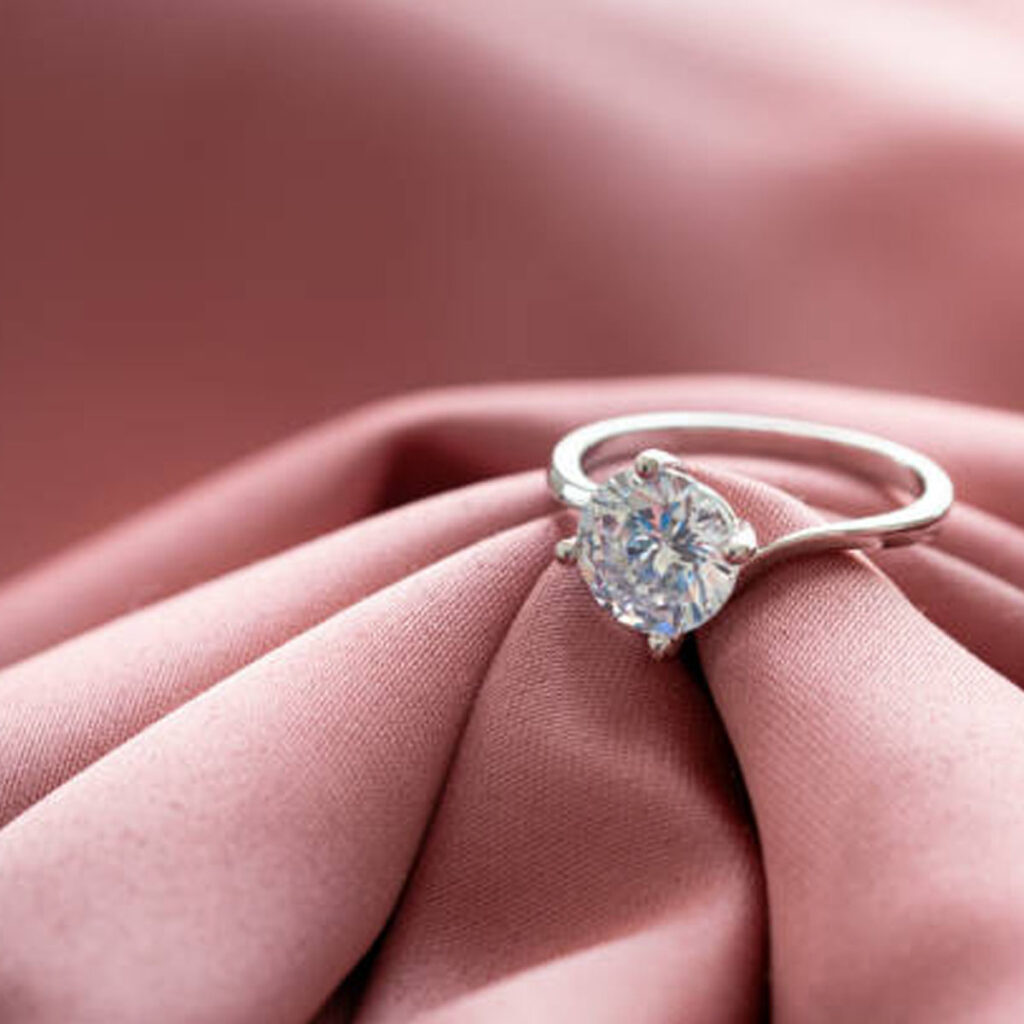
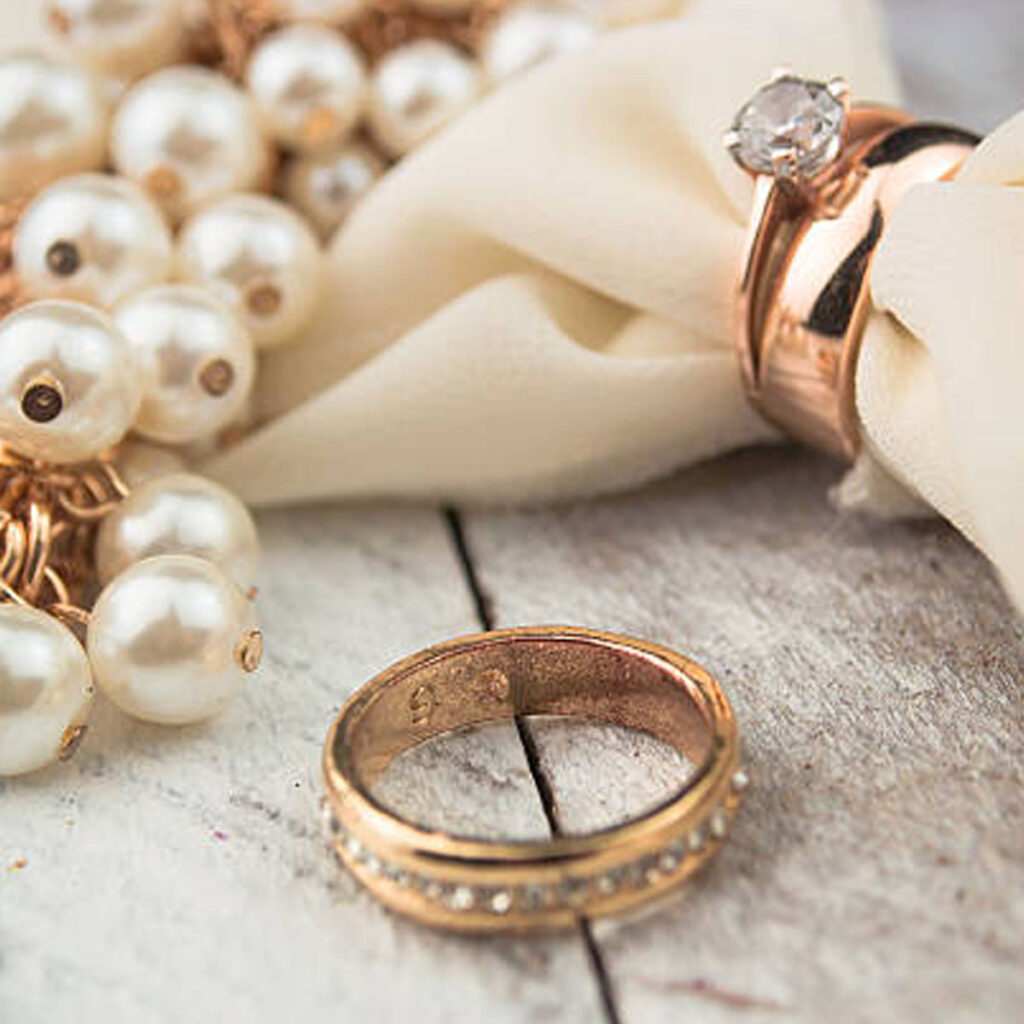
Metal defines structure, feel, and long-term look. It also fixes maintenance patterns.
| Metal | Purity | Colour | Weight feel | Durability and wear | Maintenance | Hypoallergenic | UK hallmark cue |
| Platinum Pt950 | 95% | Natural bright white | Heaviest | Scratches displace metal and form a soft patina, claws hold shape well | Occasional refinish if you prefer high polish | Yes | 950 in a house-shaped shield |
| 18ct yellow gold | 75% | Warm yellow | Medium | Good structural integrity, softer than platinum | Periodic clean and polish | Generally yes | 750 in an octagonal shield |
| 18ct white gold | 75% | Bright white via rhodium | Medium | Strong, plating wears to a pale yellow base over time | Rhodium re-plate every 1 to 3 years for crisp white | Alloy dependent nickel-free preferred | 750 in an octagonal shield |
| 18ct rose gold | 75% | Pink-warm | Medium | Slightly firmer feel due to copper content | Periodic clean and polish | Generally yes | 750 in an octagonal shield |
In the UK, hallmarking is a legal guarantee of fineness once precious metal thresholds are met. Expect the sponsor’s mark, the fineness mark, and the assay office mark. Optional date letters add character.
Modern workshops blend digital accuracy with hand skill. CAD models fix geometry and tolerances. Renders reflect pre-polish proportions, so prongs appear longer and bands a touch thicker before finishing. After approval, a wax is printed, a casting is made, and a goldsmith begins the slow work of refinement. Files and abrasives bring surfaces true. Polishing compounds move the metal from satin to mirror. Texture options range from satin to hammered to sandblasted. Finally, a setter cuts the seat and secures the stone under magnification. This last step defines security and symmetry under real-world wear.
Clarity in claims matters. In the UK, environmental terminology must be truthful, specific, and evidenced. Ask your jeweller to show certifications and supply chain checks rather than slogans. Look for Responsible Jewellery Council membership and, if relevant to your values, programmes that restrict conflict-affected sourcing.
Protection comes next. High value rings often exceed standard home policy single item limits. Either specify the ring on your policy or use specialist jewellery insurance with worldwide cover. Insurers will ask for a formal valuation by a qualified valuer and will usually require updates every 2 to 3 years as metal and gemstone prices move. Aftercare should include at least one complimentary resize within an agreed period, annual checks of settings, and professional cleaning. These touchpoints keep the ring comfortable and secure over decades.
For a complete overview, read engagement ring insurance and care in the UK.
Transparent quotes build trust. Expect an itemised breakdown across four lines. First, the centre stone, priced by type and grading. Second, the precious metal is measured by finished gram weight. Third, labour, which includes design time, CAD, casting, finishing, and setting, scaled by complexity. Fourth, brand equity and service, which cover reputation, quality control, and lifetime care. This structure lets you direct spend to what you value most, whether that is elite diamond cut quality, a rare oval diamond with minimal bow tie, or intricate pavé.
Hatton Garden concentrates everything you need into a short walk. Designers, gemmologists, goldsmiths, setters, polishers, the London Diamond Bourse, and the London Assay Office sit within the same network. That density speeds decisions, reduces hand-offs, and raises accountability. You see work at the bench level and meet the specialists who will touch your ring. The district’s culture prizes measured craft and practical honesty. If you want a private appointment with rich technical depth, this is where you book it.
Treat the consultation as a professional session with shared goals. Book in advance and arrive on time. Speak plainly about budget and lifestyle. The more precise the brief, the faster your design reaches a confident sign-off.
Preparation checklist
Questions worth asking
How much does a bespoke engagement ring cost in London
Entry points often begin around £3,000. Complex builds and finer stones in Hatton Garden typically start from £10,000. Final price reflects stone grade, metal, and labour.
How long does the process take
Allow 4 to 8 weeks from consultation to collection. Timelines vary with design complexity and stone sourcing.
Is bespoke always more expensive
Not necessarily. You pay for materials and expert labour rather than a retail brand premium. Value sits in fit, finish, and documentation.
Can I use an heirloom gemstone
Yes. A jeweller will assess the condition, recommend protective settings, and design to suit the stone’s proportions and wear history.
Why choose Hatton Garden
You gain direct access to specialists, broad stone selection, and independent infrastructure in one location, often at a stronger value than high-street alternatives.
If you are ready to progress, book a private session and bring your references. We will translate story into structure, select a centre stone with conviction, and engineer a ring that wears beautifully for life. The process is measured, documented, and discreet. The outcome reflects you both. As the old saying goes, measure twice, cut once.