
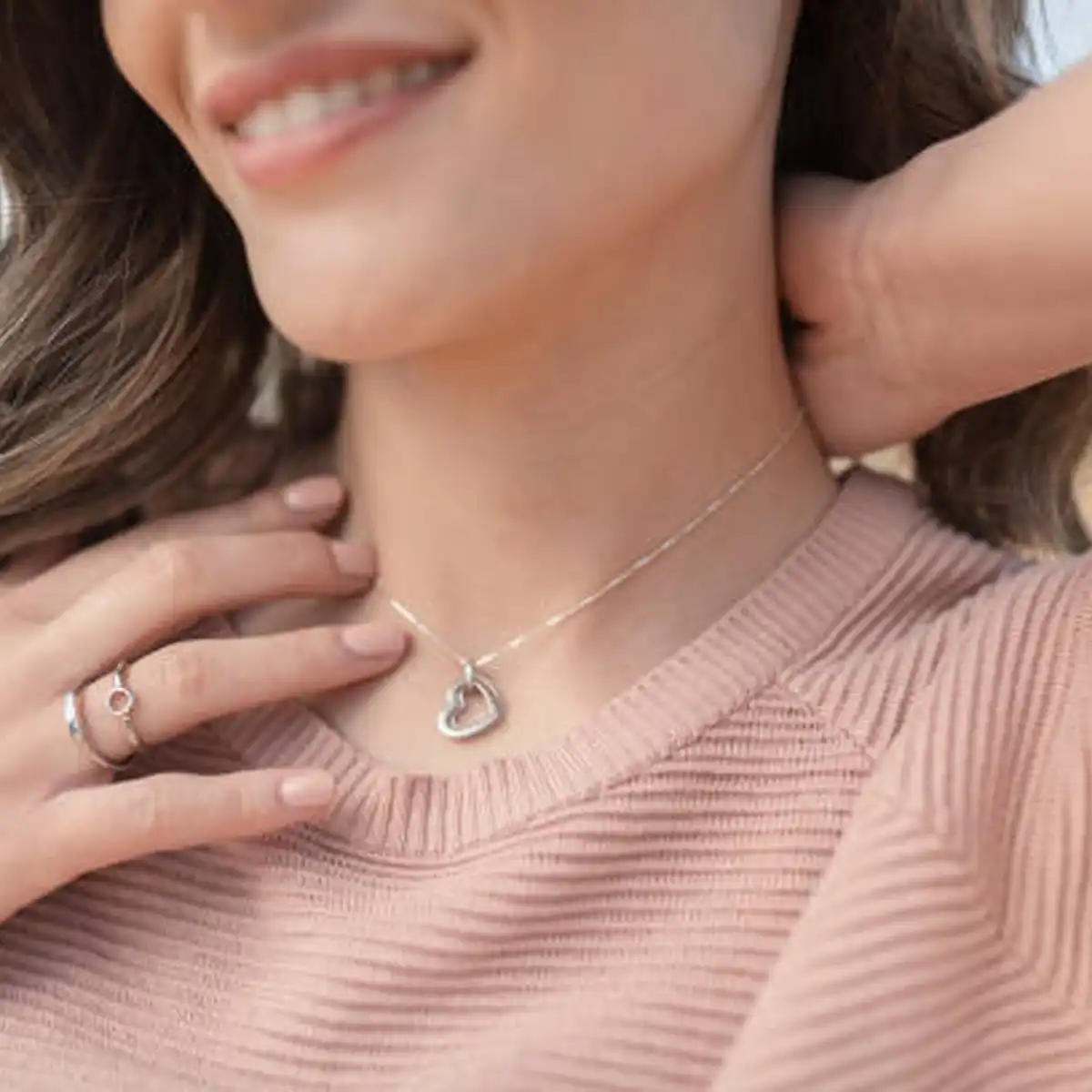
Anniversary gifting began as a public salute to endurance and evolved into a private celebration centred on meaning and memory. The shift mirrors the way marriage itself moved from a social contract to a personal partnership. Knowing this background clarifies why anniversary jewellery carries such weight for couples marking a milestone. Materials attached to each year form a narrative of shared life, so each choice signals commitment, time, and the growth of a bond.
In medieval Germanic Europe, households marked 25 years with silver and 50 years with gold. Communities honoured longevity and stability, and the gesture was public. Victorian Britain expanded the practice as romantic marriage gained cultural strength. Lists grew to include earlier years, and symbolic materials spread into popular etiquette. The 20th century standardised the idea with retail bodies promoting fuller year-by-year guidance, which set expectations for regular celebration and made the tradition widely accessible.
Across the lists, the theme is clear. Early years use modest and delicate materials, which reflect a young union. Later years use stronger metals and rare stones, which match the depth of a mature partnership. Paper suggests a fresh start and fragility. Wood signals roots and stability. Tin and steel express resilience. Silver, gold, and diamond stand for brightness, rarity, and permanence. Modern lists add domestic and office life motifs, yet the core story holds. Couples use material language to trace growth, resilience, and rising value through time.
Paper or wood can be touching yet fleeting. Jewellery is built to last. Precious metals and gemstones are stable through generations, which makes them ideal vessels for memory. A ring, bracelet, pendant, or pair of earrings can be worn, seen, and felt each day. The object gathers stories as it is passed on, so the gift becomes a future heirloom. This is why clients often gravitate to diamond eternity ring designs, sapphire rings, and platinum rings for major years, and to pearls for elegant milestones that favour softness and grace.
The trade maintains a practical track that sits alongside traditional gifts. It links anniversaries to gemstones and precious metals so couples can choose pieces with lasting value. Industry norms commonly pair the first year with gold jewellery or peridot, five years with sapphire, ten years with diamond, fifteen with ruby, twenty with emerald or platinum, twenty five with silver, thirty with pearl, forty with ruby, forty five with sapphire, fifty with gold, fifty five with alexandrite, sixty with diamond, and seventy with platinum. Lists vary by source, yet the pattern supports a steady rise in rarity and endurance.
Fun fact: Queen Victoria wore a snake motif in her engagement ring, and the symbol of eternal love influenced Victorian jewellery language for decades.
Symbolism matters, yet daily wear demands technical care. Durability blends hardness, toughness, and stability. Hardness resists scratches. Toughness resists chips. Stability resists heat, light, and chemicals. Match the property profile to the piece and to the lifestyle of the wearer, and you extend beauty and value for years.
Gold expresses purity and success, and it frames milestones from the first to the fiftieth. Carat determines strength. Pure 24k bends and marks. Alloys raise durability. Eighteen carat offers rich colour and solid wear. Nine carat gains hardness for active use. Gold resists tarnish and corrosion, so colour and lustre hold with routine care.
Garnet suits a second anniversary with its deep red character and a history of devotion and protection. The Mohs hardness ranges from 6.5 to 7.5, which supports rings worn with common sense and supports pendants and earrings with ease. Its toughness is generally good and it is stable in normal light and household conditions.
Pearl suits the third and the thirtieth with a link to wisdom and honesty. It is soft, with hardness from 2.5 to 4.5, and requires gentle handling. Necklaces and earrings shine in this category. Rings should be for occasional wear. Avoid acids and heat, and store with moisture control to prevent drying.
Sapphire stands for loyalty and truth at five and forty five years. It is corundum with hardness at 9 and excellent toughness and stability. It handles daily wear in rings and bracelets and remains one of the most secure choices for lifetime pieces. A sapphire engagement ring or an anniversary band offers rich colour and long-lasting service.
Ruby mirrors sapphire in structure and performance, and it speaks to passion and courage at fifteen and forty years. With a hardness of 9 and excellent toughness and stability, it withstands everyday life and retains its fire. Cluster earrings and classic three stone rings work especially well.
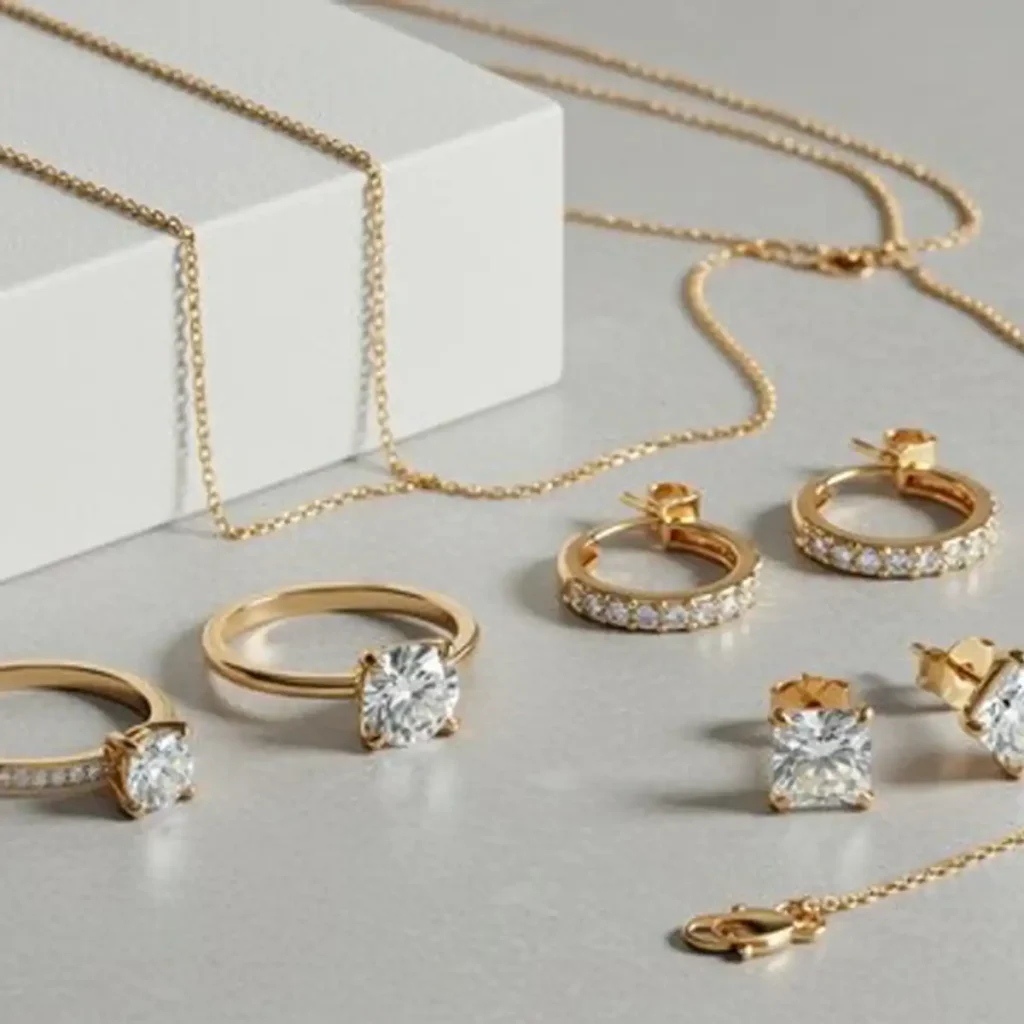
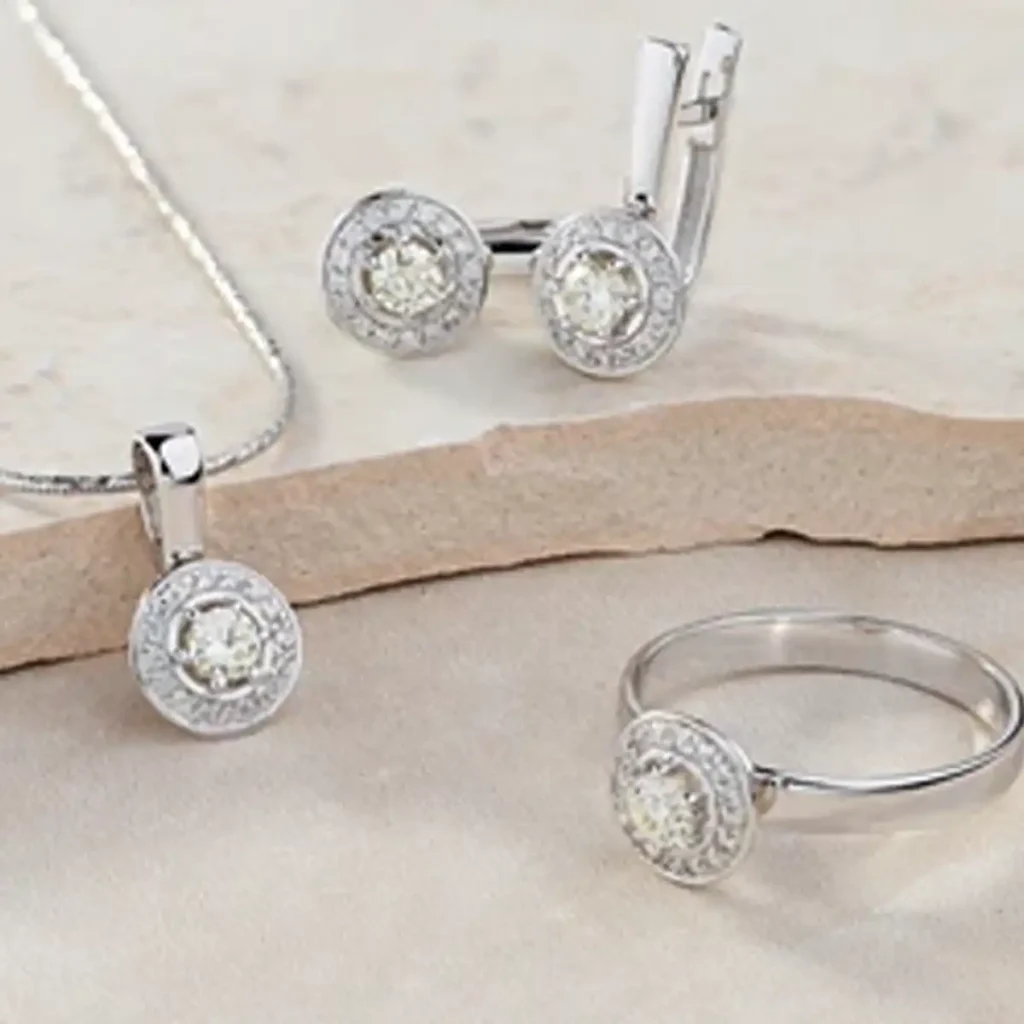
Emerald reflects renewal and successful love at twenty years. Its hardness is 7.5 to 8, yet internal features can reduce toughness. Many stones have visible features known to connoisseurs, which lend character yet require care. Choose protective settings such as bezels for rings, or select pendants and earrings for safer wear.
Diamond anchors the tenth and the sixtieth. With hardness at 10 and good toughness, it resists scratches better than any other natural material. It can chip at edges under a sharp blow, so settings must be engineered well. Its stability is excellent. A diamond anniversary ring works for daily life and marks a decade with clarity and strength.
Platinum represents endurance and purity at twenty and seventy years. It is dense, secure for settings, and displaces under scuffs rather than thinning away. That behaviour preserves prongs and walls over decades, which supports heirloom designs. Many clients prefer platinum for engagement rings and eternity rings that see constant wear.
Topaz gives clear colour and sparkle with hardness at 8. It can cleave if struck, so rings need mindful use and regular checks. Garnet and amethyst offer versatile options for bold colour at friendly price points. Opal offers poetry and light play, yet needs special care due to sensitivity to dryness and shock. Match stone choice to lifestyle, then match setting to stone.
Hallmarks in Britain protect buyers and record origin and fineness. A full mark links sponsor, metal purity, assay office, and date letter. Makers marks trace workshops and designers. Fineness stamps confirm standards such as 750 for 18 carat gold or the lion for sterling silver. London uses a leopards head, Birmingham uses an anchor, Sheffield uses a Yorkshire rose, and Edinburgh uses a castle. Closed offices such as Chester and Glasgow appear on older pieces and support precise dating. Reading these marks turns metal into history, which is part of the charm of vintage jewellery.
Provenance strengthens confidence. Original fitted boxes from noted houses, sales receipts, past valuations, photographs, and family records build a story and can support value. For significant gemstones, independent laboratory reports add an objective layer. Reports from respected labs set out identity and the four Cs, origin where possible, and disclose treatments. Certification aligns buyer and jeweller on clarity, colour, cut, and carat weight, and underpins transparent pricing.
Bespoke work begins with listening. The first conversation gathers stories, references, and practical needs. The designer turns that input into sketches, followed by digital models that show every angle. Many clients review a wax or resin model to test scale and comfort before any casting. Master craftspeople then cast, fabricate, set, and finish. Hand engraving by a skilled artisan adds depth and warmth that machine cuts cannot match. The process produces an heirloom that reflects the clients life, values, and taste.
Clients should ask about process stages, visual proofs, sourcing, timeframes, budgets, workmanship, and aftercare. Ethical sourcing covers diamonds and coloured stones, recycled metals, and membership of credible oversight bodies. Aftercare should include cleaning, inspections, polishing, and future resizing or repair. A written brief with milestones keeps the project on track and protects both sides.
Remodelling allows families to honour sentiment while refreshing style. A jeweller can unset gemstones, melt and refine precious metal, and reimagine the design to suit a new wearer. A ring can become a pendant. A brooch can become a pair of earrings. Birthstones, initials, or map coordinates can encode private meaning. This approach preserves memory and supports sustainability with minimal new material, which appeals to clients who value ethical jewellery.
Values sit alongside value in 2025. Clients want transparency on origin, fair working practices, and reduced impact. Recycled gold and silver reduce the call for new mining. Traceable diamonds and coloured stones help buyers match purchases to personal ethics. Lab-grown diamonds have gained acceptance because they match natural stones in composition and offer an alternative route to size or quality within a set budget. Many couples mix natural and lab grown in one piece, which balances tradition and choice.
Design leans toward clean settings that foreground stone quality. Bezel and rub over settings protect edges and suit active lives. Vintage inspired silhouettes reappear with modern engineering. Toi et Moi designs use two stones to represent a bond, and oval cuts continue to flatter the hand. Colour gains ground as clients select emerald, sapphire, and ruby for centre stones and accents. Rings lead the market due to daily visibility and symbolic power, yet bracelets and pendants make refined statements for those who prefer light touch wear.
Self-purchase continues to rise. Clients celebrate promotions, personal goals, and life changes with jewellery that marks independence and identity. That trend favours modular designs and stacking pieces. It also favours brands that combine fine making with clear social and environmental commitments. Smith Green Jewellers can meet this moment with transparent sourcing, thoughtful design, and precise craftsmanship.
Anniversary jewellery links heritage and modern life. The custom grew from public honour to private meaning, and today it blends symbolism with technical mastery. A long view respects traditional lists, a jeweller’s map offers precious alternatives, and durability knowledge aligns beauty with daily wear. Hallmarks and provenance confirm truth, certification clarifies quality, and a clear bespoke process turns intent into form. Trends in ethics and design widen choice and invite clients to match values to value. Choose with care, and you create a piece that celebrates the present, honours the past, and stands ready for the future like gold that keeps its glow.