
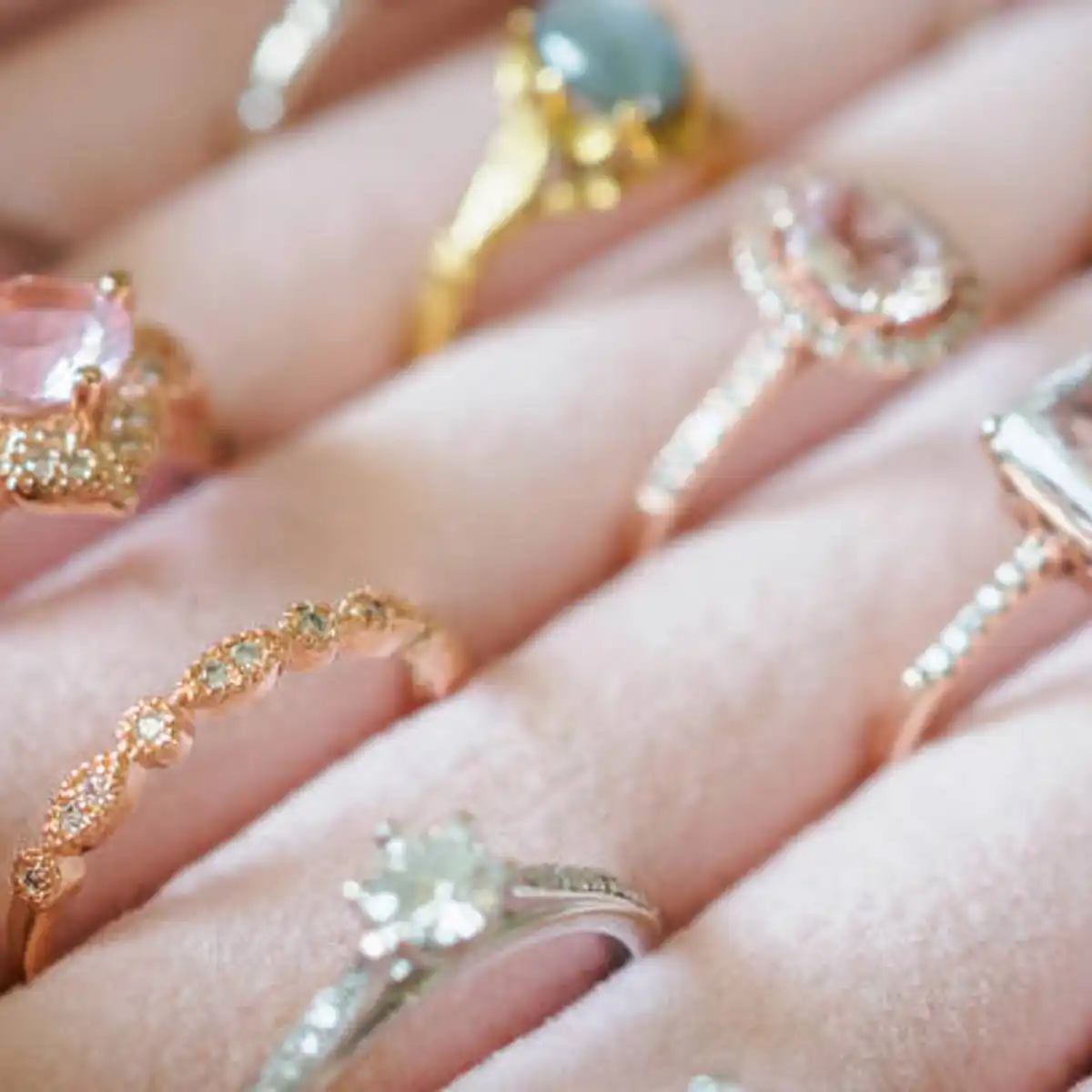
Walking into Hatton Garden in early 2026 feels different from even a few seasons ago. Behind the familiar façades of jewellers and workshops, there is a noticeable shift in mood. Engagement ring appointments are no longer hushed or tentative. Couples arrive with colour references saved on their phones, fabric swatches from outfits, and a clear emotional brief. They want jewellery that makes them feel something immediately. This is where dopamine dressing wedding jewellery enters the conversation, not as a fleeting fashion phrase but as a genuine change in how people choose rings that will stay with them for life.
At Smith & Green in Hatton Garden, this movement has translated into a decisive turn away from neutrality for neutrality’s sake. In 2026, wedding rings and engagement pieces are increasingly treated as personal power objects. Colour, texture, and material are chosen for their emotional resonance as much as their technical merit. Buyers still care deeply about craftsmanship, durability, and certification, but they are no longer willing to sacrifice joy at the altar of convention. This article explores how bold colour, sculptural gold, and alternative gemstones are reshaping the wedding jewellery landscape in London, and what that means for anyone planning a proposal or redesign this year.
For many couples, the past few years have reframed what celebration looks like. Weddings are once again being planned with confidence, yet the aesthetic language has changed. Jewellery buyers are gravitating towards pieces that communicate optimism, individuality, and warmth from the moment they are worn. In practical terms, this means moving beyond the idea that an engagement ring must disappear quietly into everyday life.
In consultations at Hatton Garden ateliers, clients increasingly articulate their preferences in emotional terms. They speak about energy, mood, and presence. A ring should lift the wearer’s spirits during a long commute, a stressful meeting, or an ordinary Tuesday afternoon. This mindset aligns closely with the principles of dopamine dressing, where colour and form are selected to generate a positive psychological response rather than simply to meet tradition.
From a buying perspective, this shift has also made clients more decisive. When a stone colour or gold tone resonates emotionally, the choice often feels obvious. That clarity can simplify the bespoke process, allowing conversations to focus on proportion, comfort, and longevity rather than second-guessing aesthetic direction.
Colour is the clearest expression of the dopamine dressing movement within fine jewellery. In 2026, Hatton Garden workshops are seeing sustained demand for stones with high saturation and character, particularly those that maintain depth under varied lighting conditions.
Deep reds have become especially popular. Rubies with darker, oxblood tones are favoured for their sense of richness and permanence. These stones often appeal to couples who want romance without fragility, and they pair naturally with yellow gold settings that amplify warmth. Alongside rubies, vivid spinels, particularly those from Mahenge with fuchsia undertones, are attracting attention for their brightness and modernity.
Blue remains a cornerstone of engagement jewellery, but preferences have narrowed. Rather than classic royal blue sapphires alone, many buyers are choosing teal sapphires that sit between blue and green. These stones shift subtly depending on light, offering visual interest without overpowering an outfit. Their popularity reflects a desire for colour that feels sophisticated and grounded rather than overtly dramatic.
Yellow stones are also enjoying renewed relevance. Lab-grown yellow diamonds and well-cut citrines are being selected for their association with warmth and creativity. In bespoke wedding jewellery, these stones are often used as centrepieces rather than accents, signalling confidence in colour as a long-term choice.
Colour in 2026 wedding jewellery is not limited to gemstones. Metal choice has become just as expressive. After years in which platinum and white gold dominated engagement ring design, 18ct yellow gold has returned as the foundation metal of choice for many London buyers.
What distinguishes this resurgence from previous cycles is form. Gold is no longer expected to behave discreetly. Instead, jewellers are creating bands that feel fluid and substantial, with softly irregular surfaces that catch light unevenly. These pieces are often described as molten or liquid in appearance, though they are engineered carefully for daily wear.
At the bench level, this trend demands skill. Sculptural gold bands must balance weight with comfort, especially for clients planning to wear their rings continuously. Experienced mounters shape these bands by hand, compressing the metal to improve durability while preserving organic contours. The result is jewellery that feels alive rather than manufactured.
For wedding stacks, thicker gold bands also provide a stable visual base for colourful stones. They anchor vibrant gems and prevent the overall design from feeling transient or trend-driven.
Alongside the return of yellow gold, mixed metal designs have become a defining feature of 2026 wedding jewellery in Hatton Garden. Rather than evenly blending metals, many designers are working with an intentional imbalance that creates contrast without chaos.
A commonly discussed approach is a 70 30 split. The majority of the piece is crafted in yellow gold, while a smaller proportion uses white gold or platinum. This secondary metal may appear as a setting detail, a fine inlay, or a connecting band within a stack. The effect is subtle but purposeful, allowing the jewellery to interact easily with existing collections.
From a practical standpoint, mixed metal designs offer flexibility. Clients who already own platinum or white gold jewellery can integrate a yellow gold engagement ring without feeling stylistically divided. Over time, this approach encourages a layered, personal collection rather than a rigidly matched set.
While rubies, sapphires, and emeralds remain central to fine jewellery in Hatton Garden, 2026 has seen growing confidence in less conventional stones for wedding rings. These choices are often driven by clients seeking individuality without sacrificing quality.
Tanzanite is one such example. Its blue violet colour shift appeals to buyers drawn to complexity rather than uniformity. When set carefully, tanzanite can offer a striking presence, though its relative softness means it suits clients who are mindful of wear or opt for protective settings.
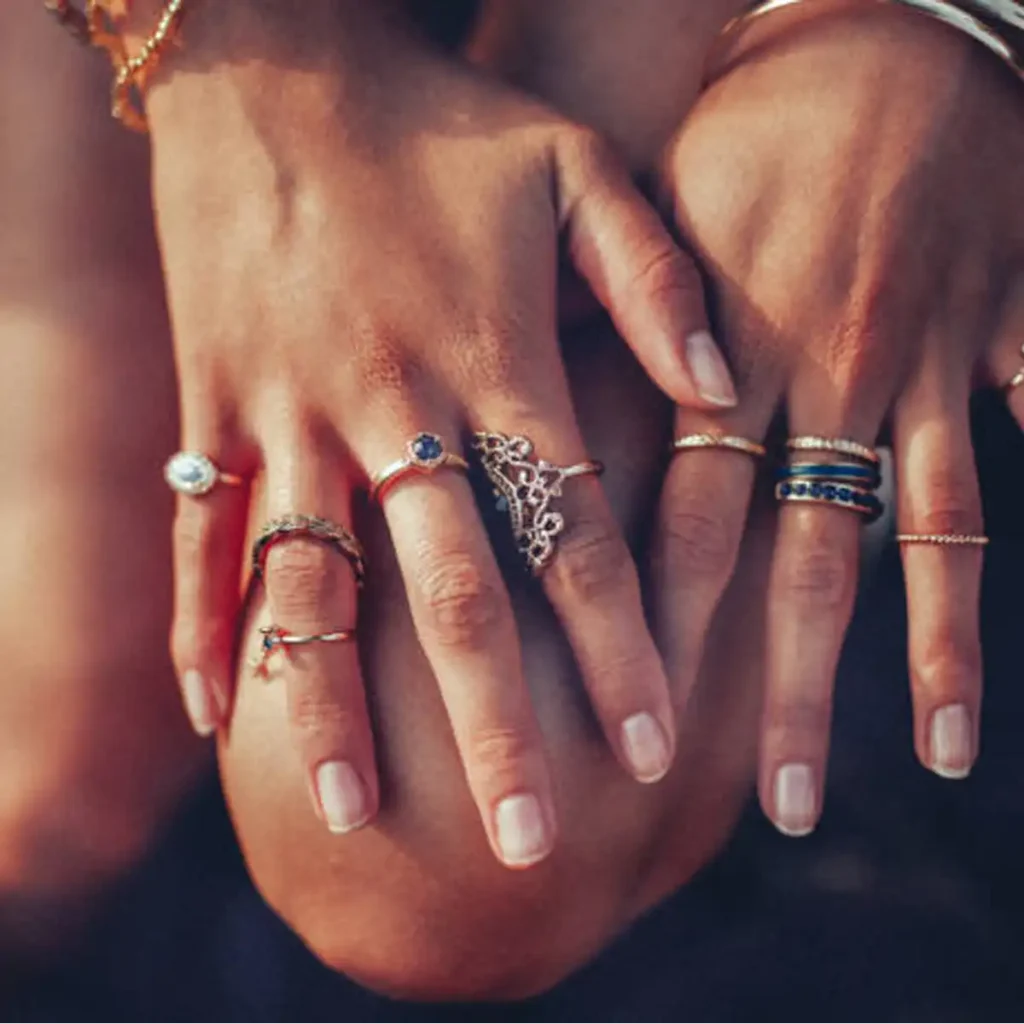
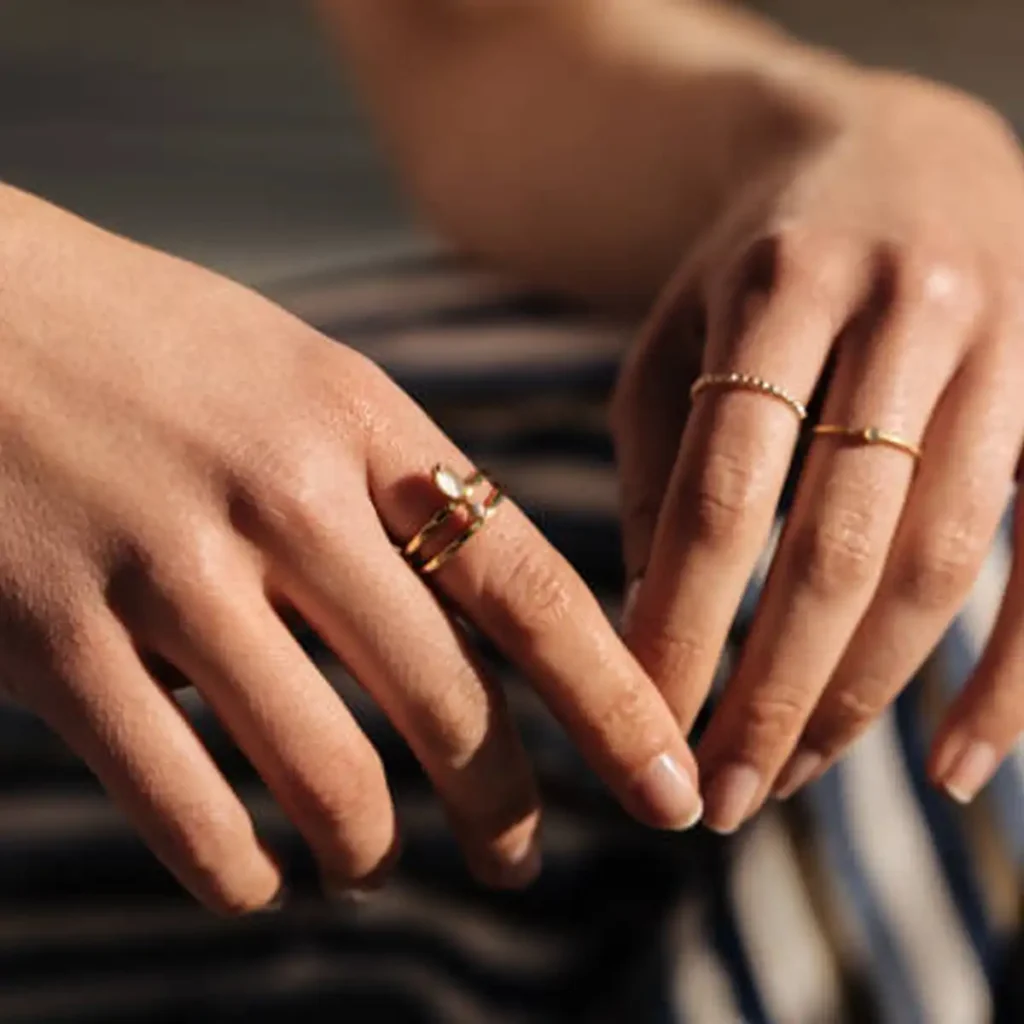
Cognac diamonds have also moved firmly into the engagement ring conversation. Their warm, honeyed tones complement yellow gold beautifully and feel aligned with the broader move towards earthy, expressive luxury. Buyers often appreciate that these stones feel distinctive without straying into novelty.
Pearls, particularly baroque varieties, are appearing more frequently in wedding-related jewellery, though usually as secondary pieces. Misshapen pearls set into gold chains or signet-style rings celebrate irregularity and texture. They are chosen less for perfection and more for character.
As colour, scale, and texture become more pronounced, the importance of bespoke craftsmanship increases. Bold jewellery magnifies both strengths and weaknesses. A large stone or sculptural band demands precision in proportion, balance, and setting technique.
At Smith & Green, bespoke commissions begin with detailed conversations about lifestyle and wear patterns. A vibrant stone may be emotionally compelling, but it must be secured appropriately and sit comfortably on the hand. Bench-made construction allows jewellers to adjust angles, thickness, and profiles in ways that standard casting cannot achieve.
Hand forging also improves structural integrity. Metal that is worked and compressed manually tends to be denser and more resilient. This is particularly relevant for wide bands and mixed metal designs, where stress points must be carefully managed.
Every finished piece is submitted for hallmarking at the London Assay Office, reinforcing trust in metal purity and workmanship. This process remains a cornerstone of British jewellery standards and provides reassurance for clients investing in distinctive designs.
Fun fact: Hatton Garden has been associated with skilled metalworking since the 19th century, long before diamonds dominated the area’s identity.
The shift towards dopamine dressing has softened the buying experience itself. Engagement ring appointments in 2026 are less formal and more collaborative. Clients are encouraged to handle stones, compare gold tones against their skin, and discuss emotional responses openly.
This approach demystifies bespoke jewellery. Rather than presenting craftsmanship as an inaccessible art, jewellers position it as a shared process. Buyers leave consultations with a clearer understanding of how their choices affect both aesthetics and longevity.
Transparency also plays a larger role. Clients expect clear explanations around stone type, origin category, and certification. While exact pricing varies by design, there is a noticeable emphasis on explaining where value is being allocated, whether towards gemstone quality, handwork, or metal weight.
Dopamine-driven wedding jewellery is not limited to one demographic. It appeals to a wide range of buyers, though certain priorities tend to align.
Clients who value self-expression over convention are natural candidates. Those who enjoy fashion, art, or design often feel comfortable committing to colour and form. Similarly, couples who see their engagement ring as a daily source of enjoyment rather than a symbolic formality gravitate towards these designs.
From a practical perspective, bold jewellery suits buyers who appreciate craftsmanship and are willing to engage in the bespoke process. These pieces reward thoughtfulness, both at the design stage and during wear.
For anyone considering bold wedding jewellery in Hatton Garden this year, preparation helps. Bringing visual references, even informal ones, can clarify preferences quickly. Colour swatches, favourite artworks, or clothing palettes provide useful context for designers.
During consultations, it is worth asking how specific stones perform over time and what setting styles offer the best protection. Discuss daily activities openly. A jeweller’s recommendations should balance ambition with realism.
Timing also matters. Bespoke pieces with complex handwork require sufficient lead time, particularly ahead of peak wedding seasons. Allowing room for revisions ensures the final piece feels resolved rather than rushed.
Hatton Garden has always evolved in response to cultural shifts. In 2026, dopamine dressing reflects a broader desire for jewellery that feels alive, expressive, and emotionally honest. Colour is no longer a risk to be managed but a value to be embraced.
For buyers, this evolution offers freedom. Engagement rings and wedding bands can now reflect personality as clearly as commitment. At Smith & Green, the emphasis remains on translating that freedom into enduring objects, crafted with care and clarity.
Choosing bold jewellery is not about chasing trends. It is about selecting materials and designs that resonate deeply and continue to do so over decades. In that sense, dopamine dressing is less a fashion movement and more a reminder that jewellery should bring genuine pleasure every time it is worn.