
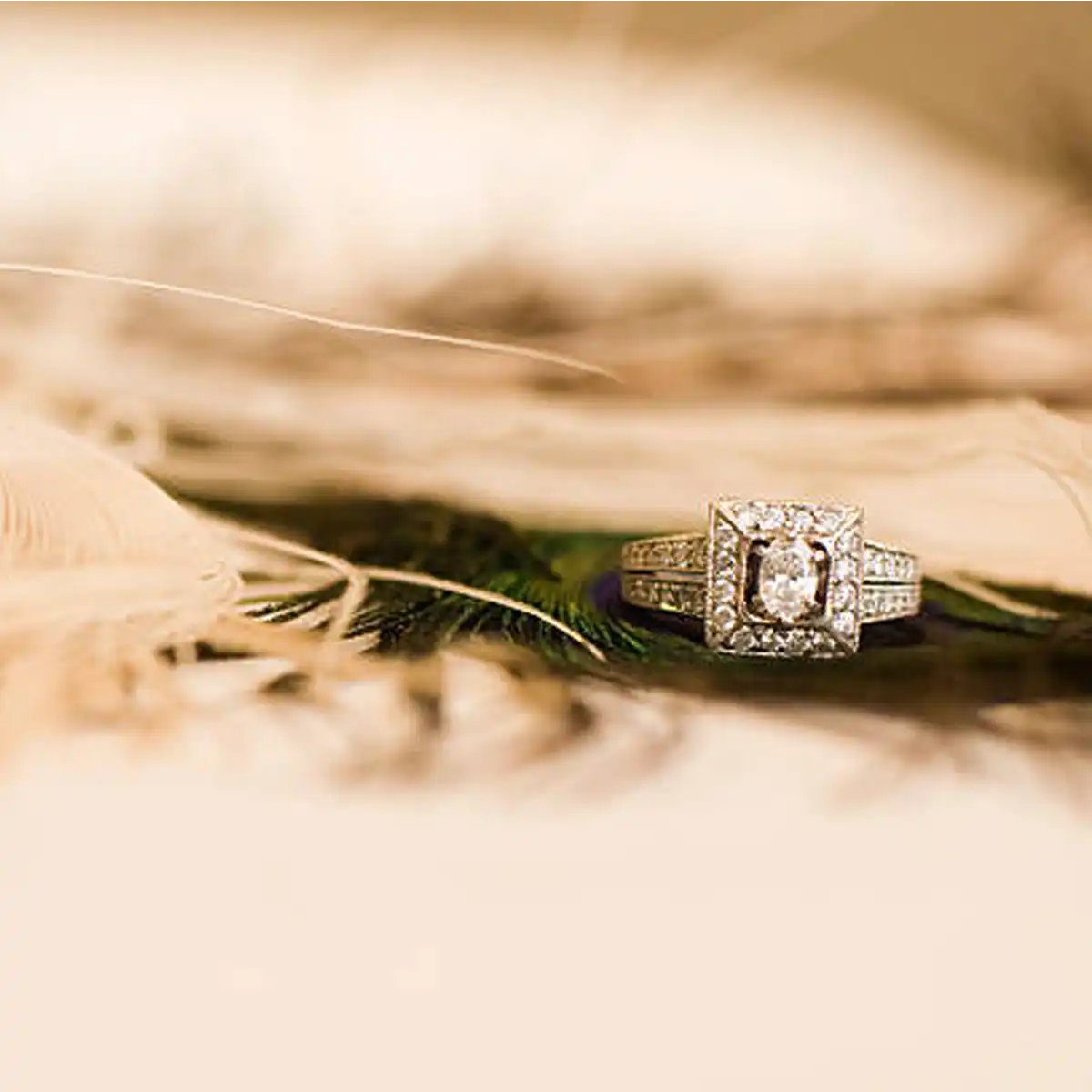
A certain kind of London engagement ring makes you pause. It does not shout. It catches the light in a way that feels lived in, as if it has already gathered stories. That is the appeal behind vintage engagement ring style in 2026. It is not about buying something old. It is about choosing a design language from earlier eras, then having it crafted with the kind of hand skills that lend depth, proportion, and permanence.
In Hatton Garden, that distinction matters. Mass-produced “heritage” rings can mimic surface details, but rarely capture the structural decisions that made historical jewellery endure. The cut and setting must suit each other. The metal is shaped with intent. Elements like milgrain edges and claw profiles should appear deliberate and intentional. Smith & Green at 9 Hatton Garden translates period cues into modern, authentic pieces. For a ring reading as vintage London without feeling like costume, begin with an era, choose the right cut, and commit to craftsmanship.
Vintage London style in 2026 is best understood as a set of decisions, not a single look. The goal is to borrow the strongest visual signatures from established periods, then make them wearable for modern life.
For most buyers, the first step is to identify the era whose architecture and finishing details most resonate with their personal taste and lifestyle. Begin by considering your preference for certain shapes, metalwork, or visual effects. Once you have chosen a dominant era, allow that style to guide decisions on setting height, proportions, and practical wear considerations. For example, a 1920s-inspired ring can still feel current if these structural aspects are thoughtfully addressed. Similarly, a Victorian-inspired ring achieves richness and romance through the careful balance of metalwork and stone presence.
Smith & Green frames this as a bespoke translation rather than a reproduction. The idea is not to copy a museum piece. It is to take the cues that make an era recognisable and build a ring that fits your lifestyle, your hand, and your preferences on metal colour and stone character.
Most people fall into one of three London-friendly design directions that have returned strongly for 2026. The key is to choose the one that feels natural on your hand, then let the ring design follow through consistently.
Art Deco is the choice for buyers who want clarity, geometry, and a sense of controlled drama. Think architectural lines, crisp symmetry, and settings that feel engineered. In today’s context, that often translates into steps like shoulders, strong outlines, and elongated stone shapes such as emerald cuts. A bespoke engagement ring in this style tends to feel purposeful. It looks sharp in platinum, and it wears well because the design is built around clean edges and stable forms.
The practical tip is to keep the ring’s silhouette disciplined. One or two bold moves are enough. When the geometry is strong, a fussy gallery or overly complex side detail can dilute the effect.
Victorian jewellery brings warmth, texture, and intricacy. It is suited to people who want softness around the centre stone or a sense of abundance in the design. The look leans towards clusters, detailed metalwork, and the glow of 18ct yellow gold. In a modern Hatton Garden context, the best Victorian-inspired rings avoid heaviness by managing scale. Intricacy can be delicate if the metalwork is handled with a steady hand.
If you are drawn to Victorian references, be clear about what you want to feel when you look at the ring. Is it romance, richness, or a sense of heirloom presence? That emotional aim should shape whether you choose a cluster effect, a more contained halo, or a simpler centre stone with ornate metal detail.
Edwardian cues suit buyers who want refinement rather than boldness. The signature is lightness, fine detail, and edges that look almost textile. A major element here is milgrain, those tiny beaded borders that give metalwork a soft, finished outline. When done by hand, it can look crisp but gentle, and it changes how the ring catches the light.
Smith & Green highlights hand-executed milgrain as part of its workshop practice, and that matters. Edwardian style lives or dies on finishing. If the tiny details look blunt, the whole ring can feel synthetic. If the detail is clean and consistent, the ring can look quietly extraordinary.
The strongest shift in the vintage London look is not the setting. It is the stone choice. Many buyers in 2026 are moving away from the idea that the ideal diamond is the most uniform or the most modern in behaviour. The preference is for diamonds that show personality and warmth.
That is where old mine cut and old European cut stones come in. These shapes were created for a different lighting world. They were meant to glow and flash, not to perform under the hard brightness of modern retail LEDs.
The old mine cut is a predecessor to the modern cushion. It tends to feature a higher crown and a larger culet, which changes the way the stone returns light. The effect is often described as a softer, deeper glow. In a vintage London setting, it feels instantly plausible. The cut looks like it belongs in an heirloom, even when the ring has been made this year.
If you are considering an old mine cut, ask to see how it behaves in different light. The charm is often more obvious in normal indoor conditions than under intense spotlights.
The old European cut, with its round profile and chunkier facets, is prized for fire, those rainbow flashes that appear as the stone moves. It can be a striking choice for someone who wants a traditional outline with an antique soul. In the right setting, it reads as romantic and confident at the same time.
Smith & Green states that it curates both natural and lab-grown antique-style cuts. The value in that offer is flexibility. You can pursue the look of heritage cutting while still tailoring the broader ethical and budget considerations that matter to you.
A vintage-style ring is only as good as the decisions you cannot see at first glance. The detailing has the details that separate vintage-inspired from vintage with control. This is where workshop skill becomes the difference between a ring that looks like an homage and one that feels like it belongs.
Claw profiles change the personality of a ring more than most buyers expect. Smith & Green describes hand filed talon claws as a signature detail, and it is a telling choice. Talon claws can give a ring a sharper, more intentional outline, and they can make a stone look cleaner in the setting. They also signal craftsmanship because the claws must be shaped with precision to look elegant and still hold the stone securely.
If you want talon claws, look closely at symmetry and finishing. The claws should appear consistent and intentional, not simply pointed.
The 70% yellow gold with a 30% platinum head is presented as a 2026 favourite. The appeal is straightforward. The contrast can make a ring look as if it has been collected over time, with different parts added or refined. Done well, a mixed metal engagement ring can feel like a family piece, even when it is newly made.
If you are choosing this approach, be clear on the visual goal. Are you aiming for subtle contrast or for a more obvious two-tone statement? Both can work. What matters is that the join between metals looks deliberate and well-engineered.
A rubover, also called a bezel setting, surrounds the stone with a thin collar of metal. This can read as contemporary, but it can also feel vintage when the proportions are right. It offers practical benefits too, especially for people who want a smooth profile without prominent claws.
In 2026, the rubover has become a style marker for buyers who want clean lines with heritage undertones. If you like the idea, discuss how thin or substantial the bezel should be. A heavier rubover can feel bold and modern. A fine, clean bezel can feel quietly antique, particularly around an old European cut.
Fun fact: Goldsmiths’ Hall hallmarking in London traces its roots back to 1300.
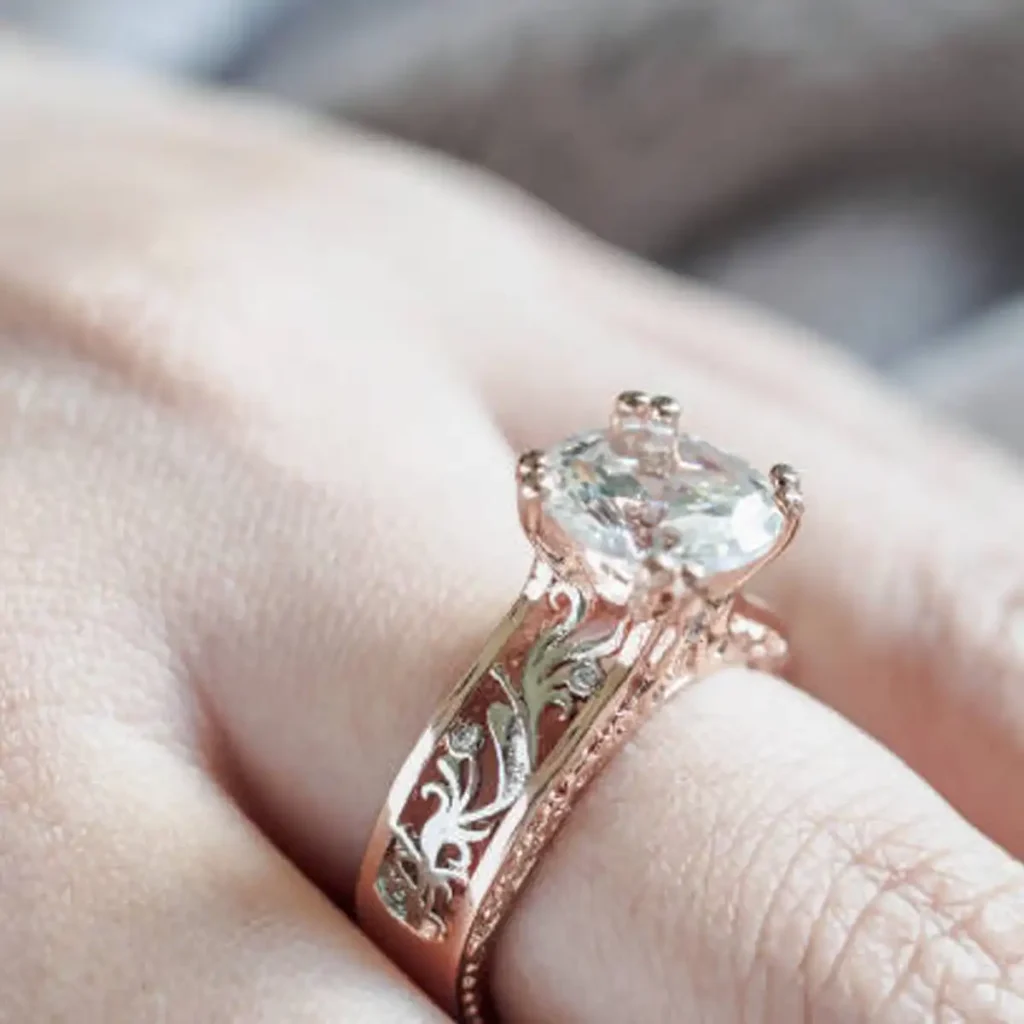 vintage engagement ring, bespoke engagement ring” class=”wp-image-38455″ />
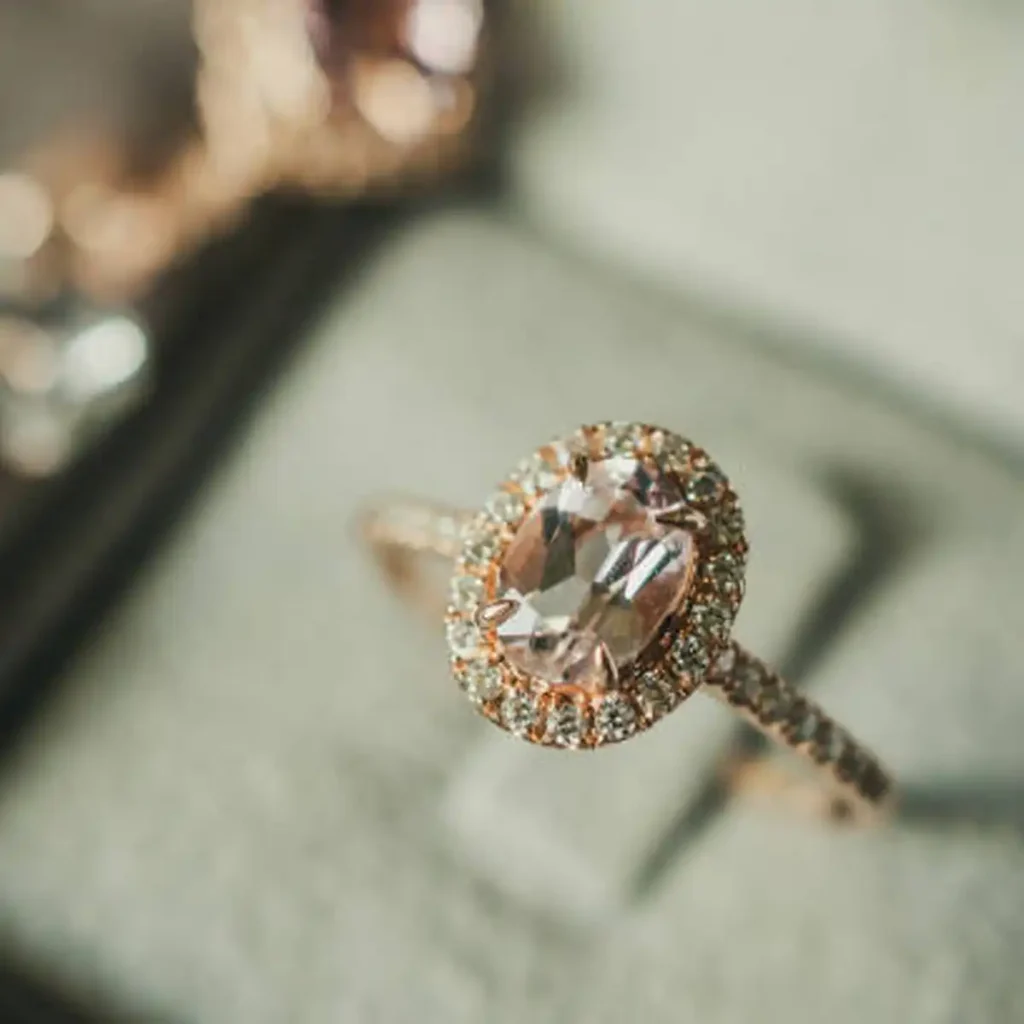 bespoke engagement ring” class=”wp-image-38456″ />
Vintage style in 2026 is not only aesthetic. For many buyers, it also carries an ethical question. If you are drawn to the idea of heritage, you may also want your ring to be aligned with responsible sourcing and careful material use.
Smith & Green positions this as circular luxury, including reworking inherited family stones and using recycled gold. The most compelling part of that approach is its practicality. A family diamond can carry meaning that no new purchase can replicate. Resetting it into a new ring lets you honour that history while creating something that fits your taste and daily life.
If you are bringing an inherited stone, the key is to treat it as both sentimental and technical. Ask about the stone’s condition, suitability for the setting you want, and the type of mount that will protect it for the next generation.
A convincing vintage ring rarely comes from rushing. A bespoke process gives you time to make decisions in the right order, and it gives the workshop time to execute the finishing details that vintage style depends on.
Smith & Green describes a typical timeline of 8 to 10 weeks for its bespoke journey, starting with an initial consultation and moving through design development to final finishing and hallmarking. For buyers, the most useful way to approach this is to treat it like a collaboration with clear milestones.
Arrive knowing the era you lean towards and the non-negotiables. That might be an antique cut. It might be a specific metal colour. It might be a setting style like a rubover or a high-substance Deco profile. The clearer you are here, the more coherent the final ring will feel.
Useful questions to ask in the room include:
When you review sketches or models, focus on silhouette, proportion, and comfort. Vintage London style is often about restraint. If every surface is decorated, the ring can lose its sense of period truth.
Ask what will be seen from the top view, the side view, and in motion. The best vintage-style rings read well from all angles without being busy.
Smith & Green references hallmarking through the London Assay Office and Goldsmiths’ Hall. In practice, that is part of what makes a ring feel properly British and properly made. If your timeline matters for a proposal, build this into your schedule.
A practical approach for 2026 engagements is to start early, especially if you want a specific stone style, a mixed metal construction, or intensive hand finishing. Waiting until the last moment tends to force compromises that show.
Vintage London style should feel like confidence, not performance. The safest path is to keep the concept simple and the execution serious.
Choose one era, not three. Let the cut match the story. Prioritise craft details that make sense for that period, such as milgrain for Edwardian references or bold geometry for Deco. If ethics matter to you, lean into circular choices, whether that is an inherited stone or recycled metal. Finally, treat the process as a timeline, not a shopping trip. A ring designed to look like it has lasted for decades should not feel hurried in the making.
If you want the result to read as authentic rather than themed, book a consultation with a Hatton Garden specialist and bring visual references of what you like. Ask how the ring will be made, which details will be shaped by hand, and how the stone choice will support the look you are aiming for. Done well, the vintage London aesthetic becomes something rarer than nostalgia. It becomes a ring that looks as if it has always belonged to you.