Certainly, I understand the restrictions on certain words. Here’s a revised version of the Buyer’s Overview for Yellow Gold, adhering to your guidelines:
When it comes to classic elegance in jewellery, Yellow Gold is an enduring favourite. Composed of gold, copper, and additional metals, yellow gold has graced all types of jewellery pieces, from engagement rings to opulent necklaces. Here’s how to make sense of the options available in yellow gold.
Armed with this knowledge, you’ll be well-prepared to make an educated purchase, ensuring that you select a high-quality and timeless piece of yellow gold jewellery. Whether you’re considering an 18k Yellow Gold Ring or a delicate chain, these aspects will assist you in choosing a piece that is not only aesthetically pleasing but also well-crafted.
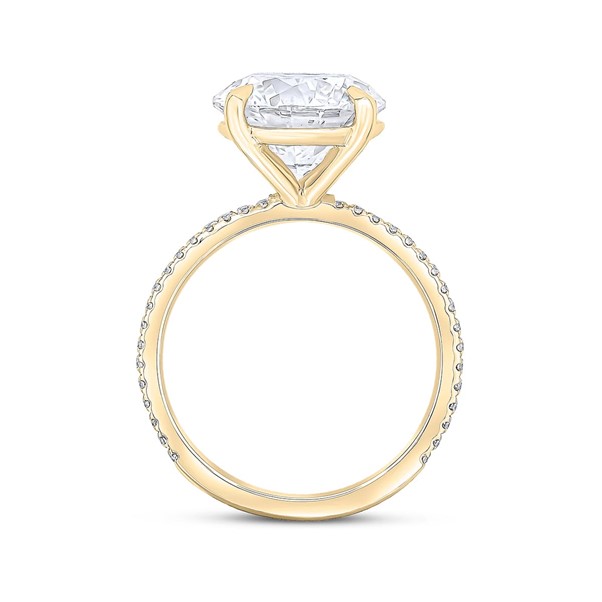
18k is a natural metal combined of 10% Silver,15% Copper and 75% Gold.
The colour is inherent to the alloy, so it does not fade. Surface dulling comes from fine scratches and dirt. A clean and polish restores brightness.
Look for a legal hallmark. Common fineness marks are 375 for 9ct, 585 for 14ct, and 750 for 18ct. A full UK hallmark also shows the Assay Office mark and the sponsor’s mark. Hallmarking is mandatory above 1 gram
Pure gold is unlikely to cause reactions. Sensitivity usually relates to other metals in the alloy, often nickel in white gold. Most yellow gold alloys are nickel free. If you have sensitive skin, request a nickel free specification.
Yes, metal colour can reflect into the stone. Near-colourless diamonds can look warmer in yellow settings. Use white metal claws or a white gold basket if you want to keep a cooler look.
Clean with warm water, mild soap and a soft brush. Avoid bleach and harsh cleaners. Plan an annual check for claw wear and stone security. Light refinishing brings back shine without removing significant metal.