
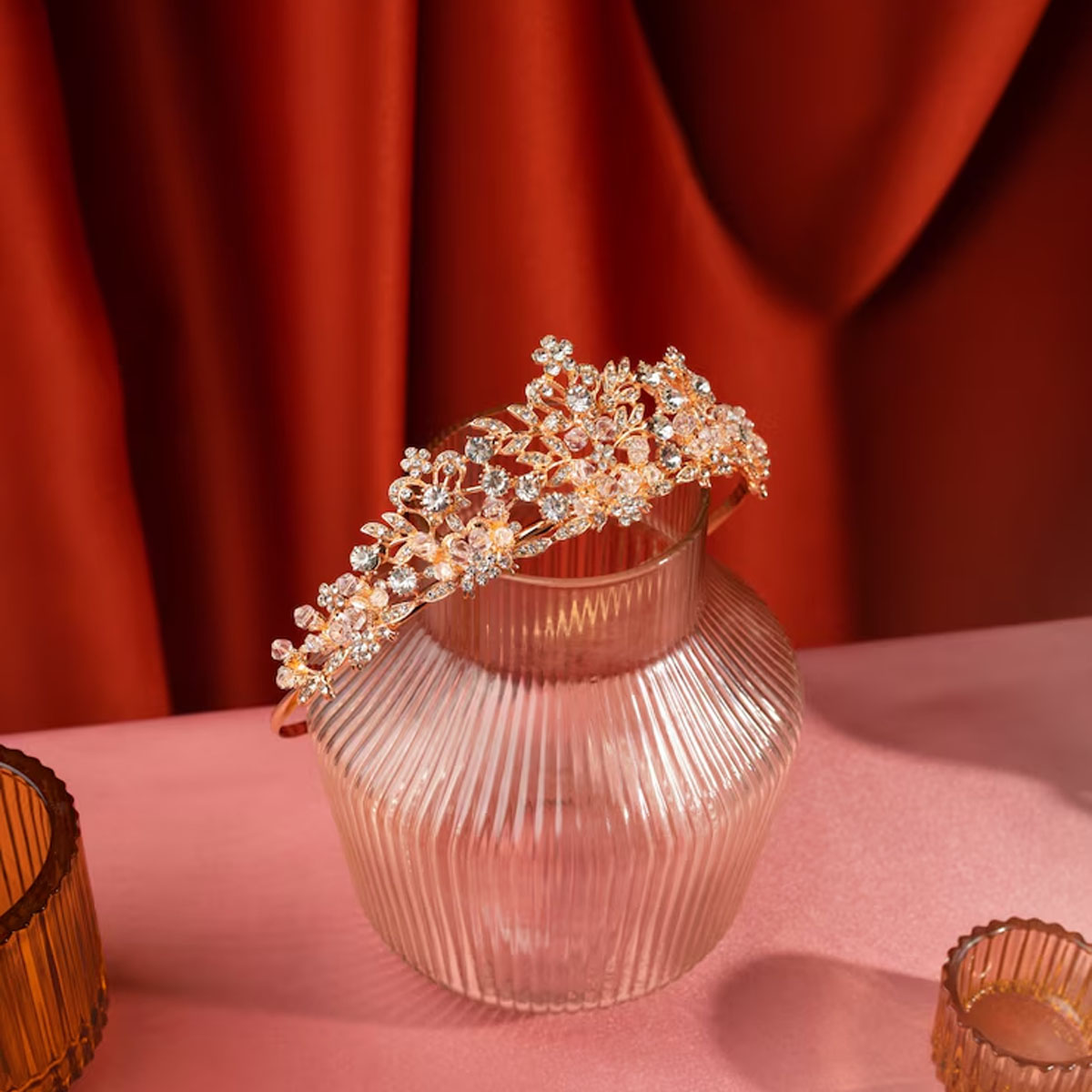
August sits on a pedestal in the calendar of gemmology because it offers a trio of jewels rather than the single stone allotted to other months. August birthstone choice stretches from the zesty brilliance of Peridot to the kaleidoscopic sparkle of Spinel and the banded heritage of Sardonyx. Their joint status did not emerge overnight. In 1912, the American National Association of Jewellers formalised a list that placed Sardonyx first and Peridot second. A century of marketing, fashion, and new mine discoveries flipped that order for modern shoppers. The roster evolved again in 2016 when industry leaders welcomed Spinel, acknowledging collectors’ thirst for harder, colourful substitutes to premium corundum. In short, August reflects how gemstone traditions breathe and adapt rather than stand still.
Britain’s luxury sector has embraced this breadth. Boutiques in Hatton Garden stock Peridot solitaires for milestone birthdays, while Mayfair ateliers parade crimson Spinels that rival fine ruby. Antique dealers in Lanesborough present Sardonyx intaglios once pressed into wax by Roman generals. That broad spectrum of colour, hardness, and heritage gives the August‑born consumer genuine freedom of expression.
Peridot glows with a lively green that jewellery lovers liken to fresh lime zest or young olive leaves after rain. What makes that colour remarkable is its origin inside the mineral itself rather than an impurity. Iron in the olivine structure paints Peridot from the inside out, so every specimen is intrinsically green. Stones over ten carats often reach a saturated grass tone prized by connoisseurs, yet even small gems can project crisp freshness when well cut.
The path that Peridot travels to the showroom is anything but ordinary. It crystallises deep in the upper mantle in the same scorching conditions that form diamonds, then rides molten rock to the surface during volcanic eruptions. Some grains arrive from even further afield, hitching a lift on pallasite meteorites before crashing into Earth. NASA’s 2005 Stardust mission confirmed this cosmic connection when it captured minute Peridot particles within comet dust. The result is a jewel that speaks of both planetary fire and interstellar ice, a story no marketing department needs to embellish.
Ancient cultures caught that drama early. Egyptians quarried the sun‑blessed gem on the barren Red Sea island of Zabargad as far back as 1500 BCE. Legend says miners marked deposits at night because Peridot’s warm glow was visible even under starlight. Pharaohs set it in gold to repel nightmares and evil spirits. Romans later called it the Evening Emerald because its colour stayed vivid under lamplight, whereas many true emeralds darkened.
Fun Fact: Cleopatra’s famed “emeralds” in fact appear to have been top‑grade Peridot from Zabargad, according to modern mineral analysis.
Symbolically, the stone carries themes of renewal and protection. Its green evokes spring growth, so jewellers position Peridot as a talisman for career changes, house moves, or new relationships. Wellness advocates credit it with easing jealousy and resentment, which pairs neatly with its heart‑chakra resonance in crystal therapy circles. Whether one subscribes to metaphysical lore or not, there is no question that a well‑cut Peridot ring flashes positivity each time it catches the light.
Peridot meaning and magic aside, durability matters to buyers. At 6.5 to 7 on the Mohs scale, Peridot withstands daily wear in pendants and earrings yet seeks cautious handling in engagement rings. Warm soapy water is the cleaning method of choice, and jewellers advise storage in a soft pouch away from harder stones. These sensible practices protect the fire bred into the gem millions of years ago.
UK ateliers exploit Peridot’s flexibility with metals. Yellow gold amplifies its sunny undertone, sterling silver delivers a crisp modern contrast, and rose gold adds romantic warmth popular with younger clients. Brands such as Lily Blanche layer petite Peridot charms with diamonds for an accessible luxury look, while bespoke houses in Birmingham set Kashmir‑source stones of twenty carats and beyond into show‑stopping high jewellery. In every incarnation, the stone’s price climbs steeply once carat weight passes five, so collectors often target a sweet spot around three carats for value.
Spinel spent centuries hidden in plain sight, masquerading as ruby in European and Asian crown jewels. Only in 1783 did mineralogist Jean Baptiste Louis Rome de Lisle prove it was a distinct species of magnesium aluminium oxide. That revelation reshaped gem science and gradually elevated Spinel from impostor to icon. Today the British Imperial State Crown still features the 170‑carat Black Prince’s “Ruby”, now proudly acknowledged as Spinel, a reminder of both royal history and geological intrigue.
Chemically pure Spinel is colourless, yet trace elements write a full spectrum across the crystal lattice. Chromium ignites vivid reds, cobalt produces electric blues, and iron gifts sophisticated lavender or steel grey. Some hues command fierce demand. Cobalt blue stones above two carats can exceed the price of sapphire, while neon pink examples from Mahenge in Tanzania light up auction rooms. Black Spinel fills a different niche: its mirror‑like surface appeals to lovers of monochrome minimalism and is affordable enough for everyday wear.
Hardness sits at 8 on the Mohs scale, making Spinel an astute option for engagement rings whose owners crave colour but fear scratching softer gems. Unlike many comparable stones, it is rarely heat‑treated. Collectors relish that natural purity. The gem’s strong dispersion also creates bright flashes of secondary colour under direct light, a property that gem cutters maximise through elongated cushion and oval shapes that preserve weight.
spinel gemstone interest has surged in Britain since the trade formally recognised it as an August birthstone in 2016. High street shoppers encounter chic black Spinel station necklaces at Astley Clarke, while Mayfair showrooms display pigeon‑blood red Spinels rivalled only by Burmese rubies. Bespoke jewellers report that clients who once defaulted to sapphire increasingly request vivid Spinel for one‑of‑a‑kind rings. They value the stone’s rarity, untreated status, and link to regal legend.
Buying spinel responsibly involves provenance checks. Ethical suppliers provide mine‑to‑market paperwork from regions such as Sri Lanka, where cooperative pit mines limit environmental harm and return profits to local communities. Some consumers choose laboratory‑grown Spinel for an even lighter environmental footprint, though advocates of natural gems highlight that artisanal mining can fund schools and clinics when run transparently. Either route respects the climate of accountability shaping twenty-first-century luxury.
Spinel’s colour diversity allows for a tailor-made match to one’s personality. Fiery red pairs with bold wardrobes and confident extroverts, cobalt blue calls to lovers of cool minimalism, hot pink suits trend‑driven fashion fans, and black adds polish to every outfit. In metals, yellow gold intensifies warm shades, platinum sharpens the blues, while rose gold flatters pink varieties. Whatever the palette, Spinel’s sparkle holds its own beside diamonds, making it a favourite centre stone rather than a mere accent.
Sardonyx is history frozen in quartz. Parallel layers of reddish sard and opaque white onyx give the stone its unmistakable stripes, and those bands have echoed through four millennia of civilisation. Egyptians carved protective scarabs from it, Greeks collected it for cameos, and Roman legionaries marched into battle gripping sardonyx talismans engraved with Mars or Hercules. The stone’s hardness, 6 ½ to 7 on Mohs, made it tough enough for daily wear, yet soft enough for master carvers to sculpt intricate intaglios that still survive in museum cases.
Britain’s affinity with sardonyx blossomed during the Georgian and Victorian eras when sentimental jewellery dominated the market. A bold sardonyx ring carried a family crest in high relief, ready to press hot wax on official letters. Today specialist dealers in London’s Burlington Arcade write fresh chapters for those heirlooms, sourcing Victorian signets for collectors who appreciate gravitas on the finger.
Modern lapidaries continue to exploit the stone’s natural layering. By slicing rough so that white sits behind reddish brown, they create vivid cameos where portraits leap out like tiny sculptures. Such workmanship demands painstaking attention to orientation, because a single slip of angle can blur the colour boundary. That precision translates to value. A crisp, high‑contrast cameo from Idar‑Oberstein commands far more than a poorly aligned carving made from the same rough.
Courage, honesty, and a stable partnership form the core themes associated with sardonyx. Wearers who prize character over flash gravitate towards it. Crystal therapists place stones in the four corners of a room to anchor protective energy, while couples swap sardonyx bands to embody loyalty and lasting affection. Unlike the solar brilliance of Peridot or the rainbow vitality of Spinel, sardonyx communicates strength in quiet stripes.
Styling follows that restraint. Yellow gold frames echo the warmth of sard layers, delivering a classically masculine signet or an Art Deco cocktail ring with white enamel accents. Designers working in silver achieve an earthier mood by pairing polished sardonyx beads with matte hematite, producing gender-neutral malas and wrap bracelets that are popular on artisan marketplaces. Such variety proves that a gemstone grounded in antiquity can still look current.
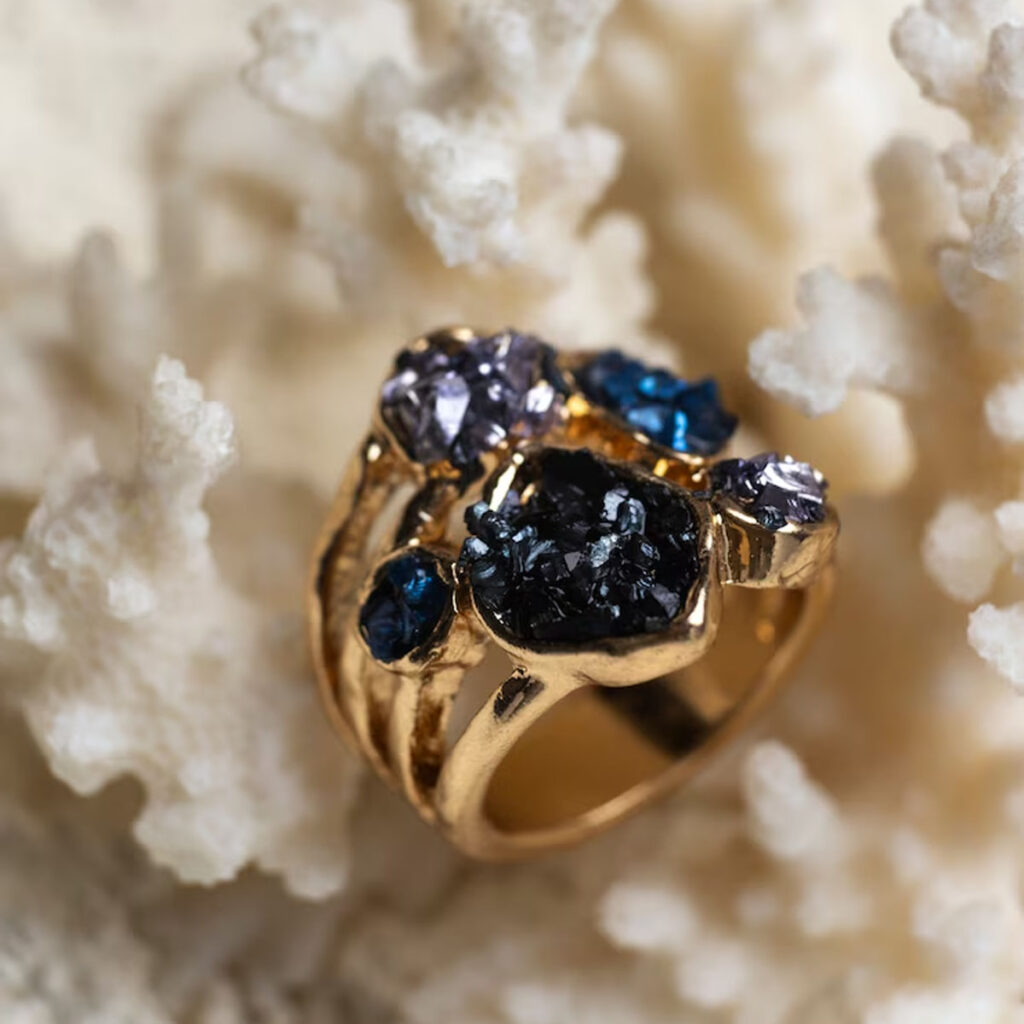
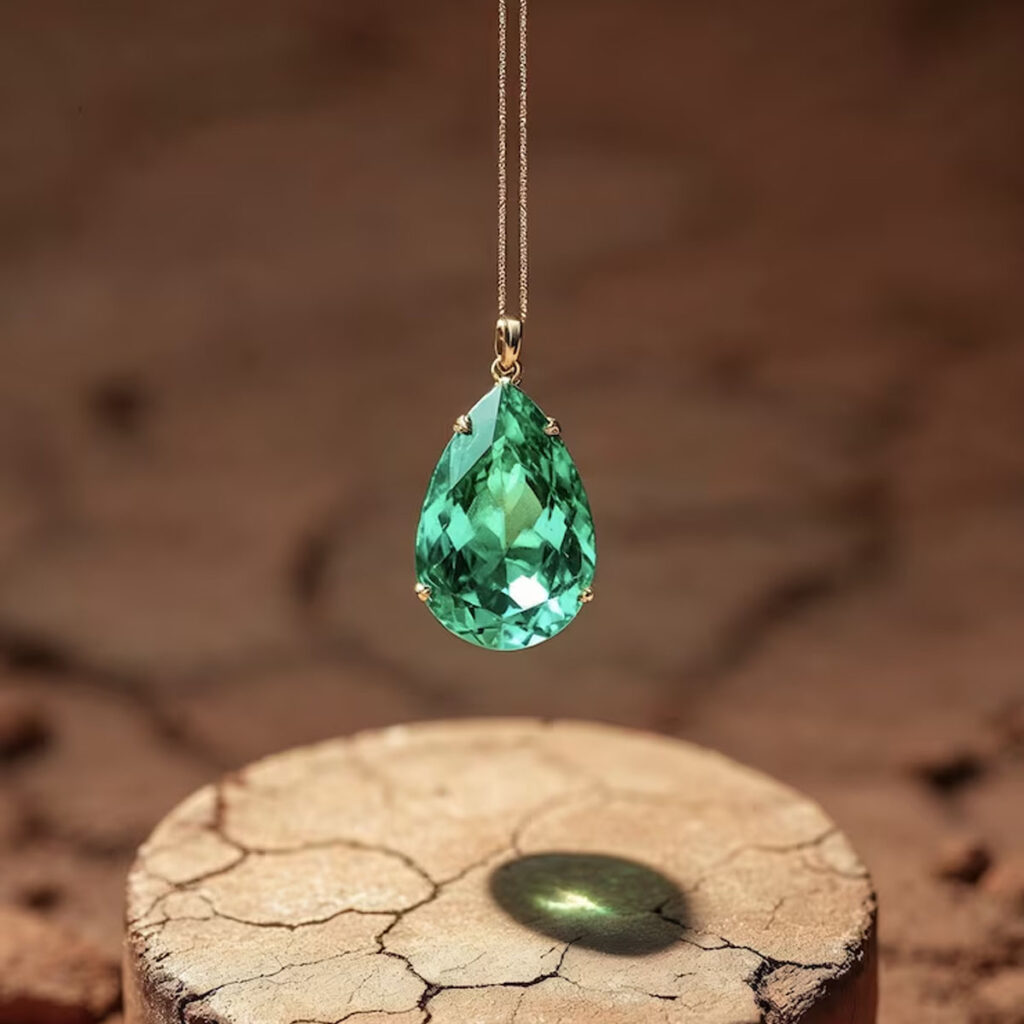
Together, the August stones form a holistic wheel of colour and energy. Peridot radiates optimism from the heart, Spinel charges the entire chakra ladder with bright vitality, and Sardonyx anchors those lofty frequencies so the wearer stays poised rather than scattered. Collectors often build a personal suite that mirrors that progression: a Peridot pendant for daytime joy, a Spinel cocktail ring for evening flair, and a Sardonyx signet for grounded confidence in the boardroom.
Fine pieces deserve intelligent maintenance, a point that separates true connoisseurship from passing fashion. Robust routines enhance brilliance and safeguard investment, regardless of the price bracket.
Gemstone care for Peridot and Sardonyx begins with awareness of their relative softness. Always remove rings before lifting weights, gardening, or playing racket sports. Wash gently in warm water with a mild detergent, rinse, and pat dry with a lint-free cloth. Finish with a soft jewellery brush around the settings. Ultrasonic machines tempt busy owners yet risk shock waves that can open concealed fractures, so professional jewellers recommend manual cleaning instead.
Spinel requires less caution due to its extra hardness, yet harsh chemicals still pose a threat to prongs and bezels. Chlorine in pools and cleaning agents can pit gold alloys, and even platinum dulls over time if scoured. The simplest rule holds: warm water, gentle soap, soft brush, then separate storage. Keep each piece in its own compartment or suede pouch so harder gems do not scratch softer neighbours. Silica dust in ordinary air contains quartz, which ranks seven on Mohs and therefore can abrade Peridot or Sardonyx if jewellery sits unprotected in an open tray.
Annual inspections at trusted UK jewellers provide an additional layer of security. A craftsman will tighten claws that loosen through daily knocks and polish surfaces so that microscopic scratches cannot dim reflection. Many boutiques offer this service gratis on high-value purchases because they know upkeep sustains both lustre and client loyalty.
London, Birmingham, and Edinburgh present a diverse range of options that cater to every budget and stylistic preference. On one end of the spectrum, high street chains such as F Hinds showcase 9 ct gold Peridot pendants at prices accessible to first pay cheques. Move up a tier and demi‑fine labels including Astley Clarke utter the language of layered birthstone jewellery with black Spinel charms designed for stacking. Venture into Mayfair and you reach the apex, where sixth‑generation family houses source unheated Burmese Spinel in hues so pure they rival pigeon‑blood ruby.
Collectors seeking serious investment pieces typically request laboratory documents from reputable authorities, such as SSEF or GIA. Those certificates record colour origin and verify that stones remain untreated. They also trace geographic source, something that matters more than ever to shoppers who insist on ethical gemstones. The San Carlos Apache Nation in Arizona mines Peridot by hand with minimal environmental impact. Spinel from Sri Lankan cooperative pits travels through audited cutting houses, bringing revenue to local communities rather than opaque middlemen. Responsible luxury is no longer a marketing afterthought; it is a prerequisite.
If laboratory provenance feels out of reach on a modest purchase, transparency still exists. Independent jewellers often provide mine‑to‑market narratives supported by invoices and photos from field visits. A video from a partner workshop in Jaipur can reveal as much about values as any formal stamp. The buyer who asks polite questions learns which brands walk their talk on sustainability.
Design must suit lifestyle. Someone who types all day can enjoy a claw-set Peridot solitaire because the contact risk is low, whereas a chef or physiotherapist will favour bezel settings or spinel cabochons that can withstand bumps. Engagement rings demand extra scrutiny. Spinel wins on hardness and colour range, yet Peridot might still speak to a couple if their shared story aligns with its theme of renewal. Matching wedding bands can incorporate baguette sardonyx inlays for discreet harmony, blending symbolism across the duo.
Metal colour nudges mood. Yellow gold amplifies Peridot’s warmth, while white gold invigorates blue Spinel, and rose gold flatters blush pink stones, softening sardonyx stripes into a vintage romance. Mixed‑metal pieces open new paths, with platinum claws holding red Spinel above a yellow gold shank so the gem appears to float. That fusion approach mirrors modern identity, fluid and personal rather than bound to strict categories.
Holding an August stone is to hold a story that reaches from Earth’s mantle to meteor swarms, from Rome’s legions to Britain’s courts, and from ancient talismanic lore to contemporary sustainable practice. The trio invites owners to curate rather than compromise. Select Peridot for a burst of green optimism, Spinel when only electric colour and resilience will do, or Sardonyx when character and grounded strength call louder than flash. Better yet, weave all three into a small personal collection that changes with mood and season.
Imagine walking along Brighton’s pebbled shoreline at first light. The sky breaks from grey into streaks of tangerine and lime. Those colours in the waves feel fleeting, yet the right August gemstone catches that moment and holds it forever, a portable slice of summer sunrise. Buy thoughtfully, care attentively, and these stones will outlive fashions just as they have already outlived empires. As the old English saying reminds us, “Make hay while the sun shines” – and let your jewellery glow just as brightly.