
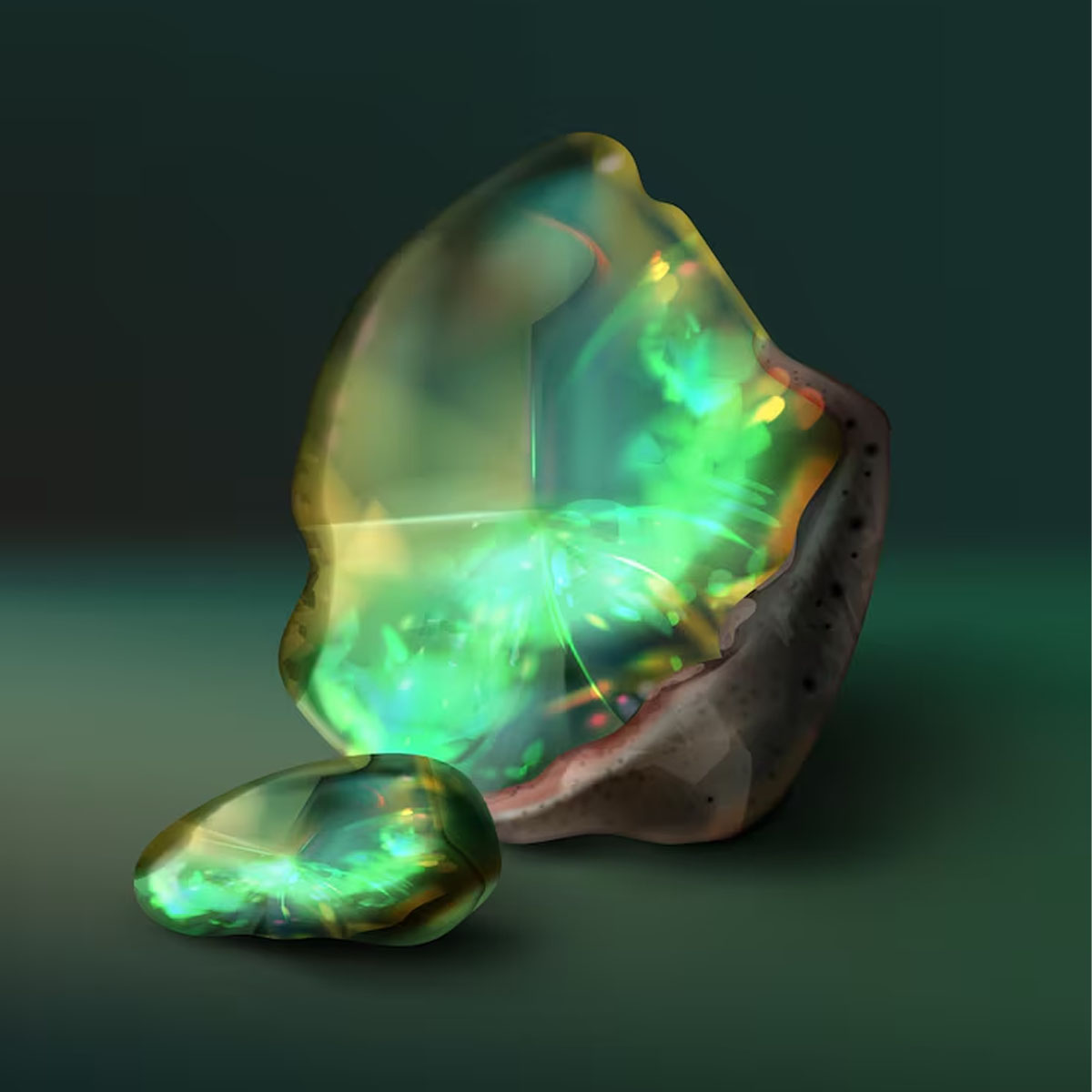
August is one of the few months that gives you three distinct gemstones with heritage, personality, and strong value for modern collectors. August birthstones speak to different tastes, yet all carry stories that connect antiquity with contemporary design. Peridot glows with a fresh green that reads as sunlight on the wrist or finger. Spinel moves from royal courts to today’s private commissions with effortless poise across a spectrum of colour. Sardonyx brings sculptural bands and centuries of signet tradition. Suppose you are shortlisting a piece for a birthday, an engagement, or a collection upgrade. In that case, the decision sits at the intersection of aesthetics, durability, provenance, and price. This feature sets out the facts that matter for UK buyers in 2025. You will find clean comparisons, practical care advice, and context on responsible sourcing and hallmarking, so you can choose with confidence and wear with pride. Think in terms of daily wear, long-term value, and personal meaning, then let the metal, cut, and scale do the talking. Whether you prefer a crisp peridot ring, a vivid spinel engagement ring, or a classic sardonyx signet ring, the aim is the same. Buy well, understand the stone, and align the design with your life.
Peridot was the traditional stone associated with August in Western lists through the late 19th and early 20th centuries. Sardonyx has an even older footprint in classical signets and cameos. Spinel gained official August birthstone status in 2016, reflecting its historic importance and the market’s renewed appreciation for its colour, clarity, and durability. Three options widen the palette for gifting and self-purchase in a way that suits 2025 tastes for colour, personal symbolism, and meaningful craft.
| Gemstone | Colour spectrum | Mohs hardness | Core symbolism | Traditional link |
| Peridot | Yellow green to olive | 6.5–7 | Protection and prosperity | 16th anniversary |
| Spinel | Red, pink, blue, purple, orange, grey, black | 8 | Revitalisation and hope | 22nd anniversary |
| Sardonyx | Banded reddish brown with white or black | 6.5–7 | Courage and stability | Ancient August stone |
Start with lifestyle. If you want a daily wear ring, Spinel gives the best hardness and toughness of the three. Peridot and Sardonyx suit rings with protective settings or pieces that avoid hard knocks, such as pendants and earrings. Check colour under daylight and evening light, and look for clean, even cutting with good light return. Verify UK hallmarks on metal and ask for disclosure on treatments or dyeing. If you shop online, request macro images and measurements rather than relying on carat weight alone.
Peridot comes from the mineral olivine. Ancient sources place early mining on Zabargad in the Red Sea, where Egyptian jewellers prized the stone for its luminous green and linked it with the power of the sun. Roman writers admired how fine stones seemed to hold their colour by lamplight. For centuries, bright green Peridot was confused with emerald. Modern gem testing has corrected many such attributions, including famous pieces once catalogued as emerald that proved to be Peridot on examination. The stone’s origin story is unusual. Like diamond, olivine crystals form deep beneath the crust and reach the surface through volcanic activity. Some gem-quality crystals have also been identified in meteorites. The mix of terrestrial fire and extra-terrestrial discovery gives Peridot a narrative that appeals to collectors who enjoy science as much as style.
Peridot meaning centres on protection, prosperity, and a lightness of spirit. It reads fresh and optimistic in contemporary jewellery and pairs well with yellow gold for warmth or white metals for crisp contrast.
Colour
Peridot is idiochromatic, which means iron in its structure produces the green rather than trace impurities. The most valued look is a richly saturated grass green without brown or dull yellow. This pure green appears most often in larger stones, typically from 5 to 10 carats and above. Bright yellow-green remains highly attractive and works beautifully in modern settings.
Clarity: Peridot sits in the GIA Type II group, so minor inclusions are expected. Fine stones are eye clean. Under magnification, you may see tiny black crystals or disc-like fractures known as lily pads. Obvious dark crystals or cracks reduce value and durability, especially in ring stones.
Cut: Good cutting manages the stone’s double refraction. Viewed through the table you may notice doubled facet edges. A skilled cutter orients the rough to minimise blur from the main viewing angle and to drive lively return. Ovals, cushions, pears, and emerald cuts are popular and suit the crystal habit.
Carat weight: Commercial sizes under 5 carats are accessible and widely seen in UK retail. Prices step up for premium colour and high clarity over 5 carats, with a sharper rise past 10 carats. Historic sources include Myanmar and modern material from Pakistan’s mountainous deposits, among others.
With hardness at 6.5 to 7, Peridot resists everyday abrasion better than soft stones but can still pick up scratches from quartz dust. Choose bezels or protective settings for rings worn daily. Clean with warm water, a mild detergent, and a soft brush. Avoid ultrasonic and steam cleaning. Keep away from strong acids and sharp temperature changes. Store separately from harder stones to avoid scuffs.
Spinel has occupied royal settings for centuries. Historic records show fine red Spinel crystals moving along the same trade routes as ruby. The famous Black Prince’s Ruby in the Imperial State Crown is a red Spinel, and the large Timur Ruby is also Spinel despite its name. Formal recognition of Spinel as a separate mineral species dates to the 18th century, which set the stage for modern gemology and more accurate attribution. In the 21st century, the stone has enjoyed a surge in demand among buyers who want saturated colour, strong brilliance, and good durability across a range of budgets. Official August birthstone status reflects that shift.
Fun fact: Two celebrated “rubies” in Britain’s crown regalia are Spinels, a historical case study in how beautiful colour can mislead even expert eyes before modern testing.
Spinel’s appeal for UK clients spans red, pink, and blue through to lilac, lavender, and graphite grey. It bridges traditional and contemporary design with ease. It sits comfortably in the same conversation as sapphire and ruby while carving out its own identity.
Colour: Colour drives price. Top red Spinel shows a vivid stoplight red that appears to glow. Cobalt blue Spinel from certain localities can rival fine sapphire. Hot pink and vivid orange also command strong demand. Pastel lavender and steel grey offer refined alternatives that style well with white metals and modern silhouettes.
Clarity: Spinel is known for excellent transparency. Eye clean stones are the norm in higher grades. Under magnification, you may see tiny octahedral crystals or delicate fingerprint patterns, both of which can be pleasing to collectors. Obvious inclusions drop value and can reduce brilliance.
Cut: Spinel’s high refractive index and singular refraction return colour cleanly. Cutters often favour cushions and ovals that balance beauty with weight retention because fine rough is scarce. Expect unique millimetre sizes rather than calibrated dimensions in the best material.
Carat weight: Large stones over 5 carats in premium colours are rare and priced accordingly. For engagement rings and signature pieces, 1 to 3 carats in strong pinks, reds, or blues gives a high impact look while keeping options open on budget and setting.
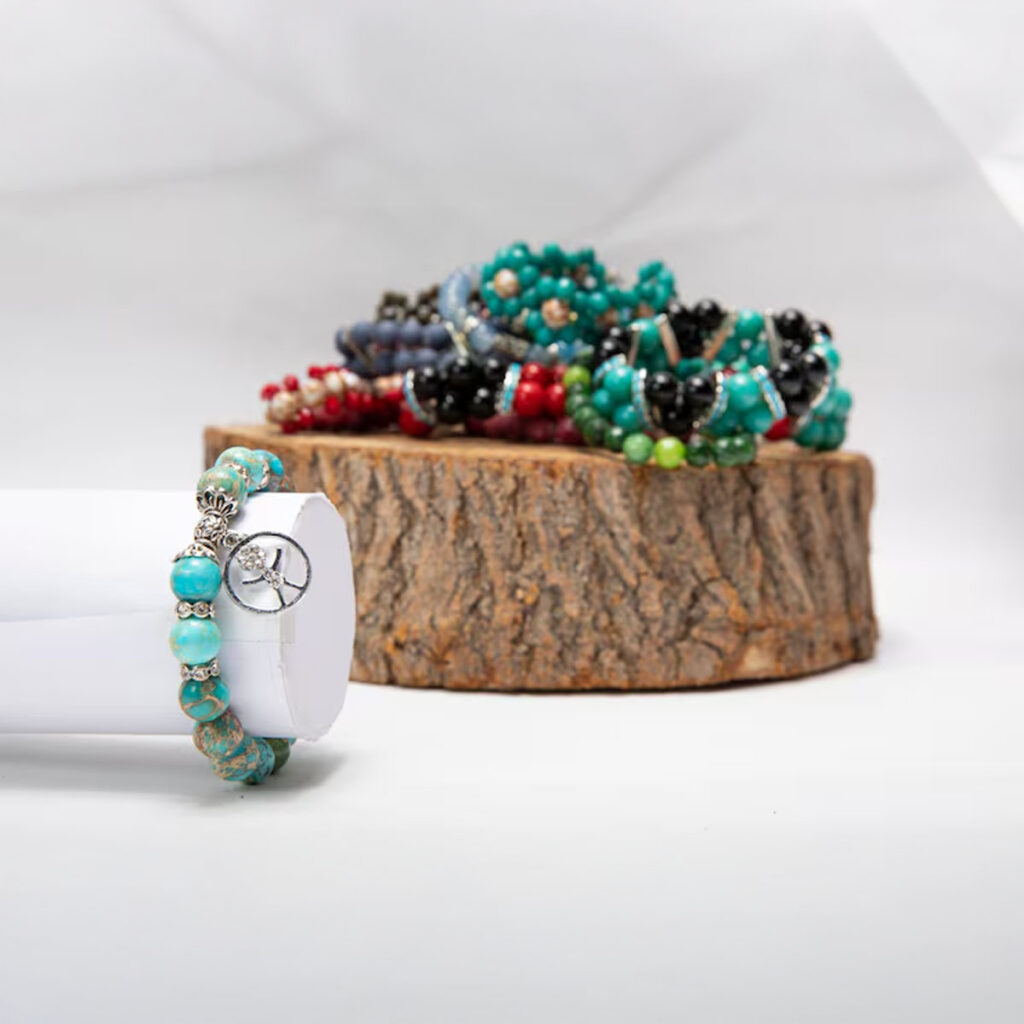
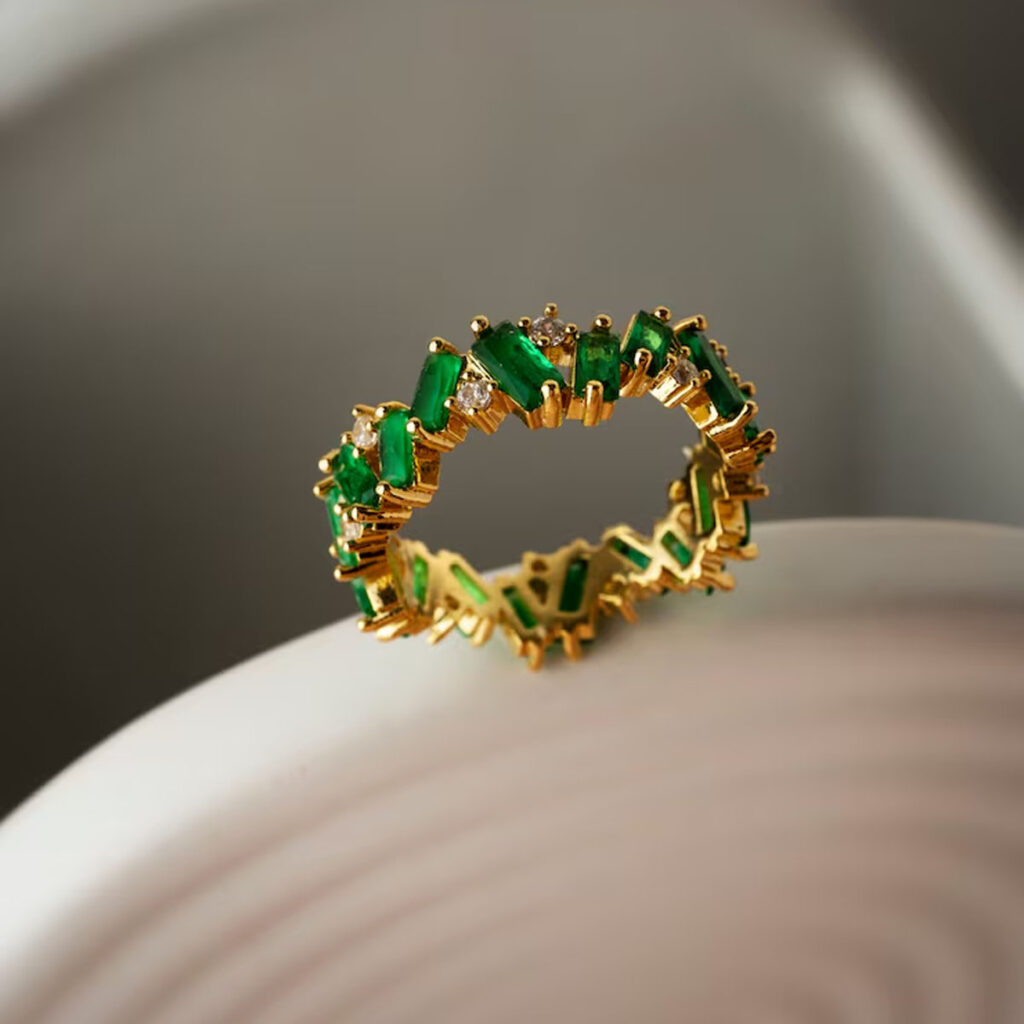
Spinel scores 8 on the Mohs scale and has good toughness, so it suits engagement rings and daily wear pieces. Clean with warm, soapy water and a soft brush. Ultrasonic and steam cleaning are usually safe for untreated stones without fractures, but warm water remains the low risk default. Avoid extreme heat. One of Spinel’s selling points is that it is commonly natural and untreated, which supports value retention and makes care straightforward.
Sardonyx is a banded variety of chalcedony that layers reddish brown sard with white or black onyx. Its long history reaches into Egyptian, Greek, and Roman use. Soldiers and statesmen wore Sardonyx engraved with gods, heroes, or family devices for protection and identification. It was the material of choice for signets because hot wax releases cleanly from its surface. The stone’s layered build made it perfect for cameos and intaglios, where carvers use light and dark layers to create depth and contrast. The association with eloquence and composed speech arose from classical and Renaissance traditions that linked the stone with clarity of thought and moral steadiness.
Sardonyx speaks to today’s taste for personal storytelling. A signet engraved with a crest, monogram, or symbol carries history yet looks current when styled with modern tailoring or casual layers. It is accessible, often more affordable than many coloured gems, and particularly compelling for men’s jewellery.
Colour and banding
Sharp, straight, and well contrasted layers define the best material. Classic reddish brown sard with crisp white is the most familiar pairing, though black and white combinations can look striking in contemporary signets.
Clarity
Translucent to opaque is normal. Look for even colour in the bands without cloudy patches or fractures that break the design.
Cut
Cabochons, tablets, and beads appear widely, but the highest art sits in carved pieces. Quality is judged on the sculptor’s use of layers to create relief and the precision of the engraving.
Carat weight
Sardonyx is abundant, so buyers can choose larger pieces for statement rings or pendants with relative ease. Commissioning a hand engraved signet adds craft value to a readily available material.
With hardness around 6.5 to 7, Sardonyx handles routine wear if you avoid hard knocks. Clean with warm water, mild soap, and a soft brush. Many stones are dyed to heighten contrast, which is normal in the market, so avoid ultrasonic or steam cleaning on dyed pieces and keep them away from high heat. Store separately to prevent abrasion from harder gems.
Peridot with metal
Yellow gold amplifies Peridot’s sunny undertone for a cohesive glow. White gold and platinum sharpen contrast and give the green extra cut. Rose gold softens the look for a romantic, slightly vintage mood.
Spinel with metal
White metals suit blue, lavender, and grey Spinel, focusing the eye on pure colour. Yellow and rose gold intensify red, hot pink, and orange tones for a rich, modern statement.
Sardonyx with metal
Yellow gold brings classical warmth to reddish brown bands and pays homage to antique signets. Platinum or white gold with black and white layers creates a crisp, graphic effect that reads current and architectural.
Mixed metals remain strong for 2025. A platinum head on a yellow gold shank frames bright Spinel perfectly and offers versatility with other jewellery and luxury watches.
Colour as centre stage: The market continues to prioritise saturated colour across rings and pendants. Peridot jewellery answers the brief for joyful green. Spinel rings deliver vivid pinks, reds, and blues with excellent wearability.
Modern silhouettes: East west settings flatter elongated cuts and feel refined on the hand. Toi et Moi designs pair two stones to tell a personal story, for example Peridot with diamond or two spinel gemstones in different hues. Chunky bands with bezels give a bold silhouette that protects the stone and photographs well for social content.
Charms and layers: Small bezel set gems on chains and bracelets build personal narratives over time. Micro pendants in Peridot or Spinel layer neatly with initials, zodiac motifs, and talismans.
August covers Leo and Virgo. Peridot aligns naturally with sunny Leo. Deep blue Spinel answers Virgo’s love of clarity and order when used as a sapphire alternative. Sardonyx signets carry initials, crests, or meaningful icons. Engraving on the inside of a ring adds privacy to pieces with public presence. Personalisation underscores the emotional value and increases the chance the piece becomes a modern heirloom.
The sardonyx signet ring remains a staple. High polish sides, fluted shoulders, or brushed finishes refresh the silhouette. For colour, consider a flush set Peridot in a weighty band for a clean pop that sits well next to a steel sports watch. Black Spinel beads offer a restrained option that reads smart rather than flashy.
Natural gemstones
Peridot and Spinel are widely available as natural stones without routine treatments. That supports transparency and simpler care. Sardonyx is often dyed to strengthen contrast. Ethical disclosure is required in UK retail.
Treated gemstones: Peridot treatments are rare. Spinel may occasionally be heated, far less often than corundum. Sardonyx dyeing is common and should be stated at point of sale. Ask for written disclosure on your invoice.
Lab grown and simulants: Lab grown Spinel shares the same chemistry and optics as natural Spinel and gives access to larger sizes at sharper prices. True lab grown Peridot is uncommon in retail. Simulants, such as green glass or assembled products labelled as “Peridot quartz”, imitate the look but are different materials. The terms lab grown or synthetic for man made gemstones and simulant for lookalikes keep language clear for consumers.
Under £300: Sterling silver and 9ct gold open the door to Peridot studs, petite pendants, and Sardonyx bead bracelets. Black Spinel gives sleek, polished looks in simple settings.
£300 to £1,000: Expect 9ct and selected 18ct gold pieces with stronger colour and cleaner cutting. A classic solitaire spinel ring or a Peridot pendant with a fine halo sits well here. Sardonyx signets in 9ct gold offer excellent presence.
£1,000 to £5,000: This tier brings larger Peridot with diamond accents, fine Spinel in sought after pinks and blues, and bespoke, hand engraved Sardonyx signets in 18ct gold or platinum.
£5,000 and above: Investment grade Spinel in vivid red or cobalt blue and Peridot over 10 carats with top colour come into play. Expect careful selection, strong make, and precious metal in higher fineness.
UK hallmarking protects buyers and underpins trust. Any gold, platinum, or palladium item above the legal weight thresholds, and most silver above its threshold, must carry a hallmark from a UK Assay Office. A full hallmark shows the sponsor’s mark, the fineness mark with its millesimal value and shield shape for the metal, and the Assay Office symbol. Knowing how to read these marks lets you confirm metal purity at a glance and aligns with best practice for premium retail in London and across the UK.
Responsibility is part of luxury. Our policies align with recognised standards that cover ethics, human rights, and environmental performance across the chain of custody. We apply due diligence to identify and manage risks and we favour recycled gold and platinum to reduce environmental impact while maintaining quality and longevity. We build relationships with suppliers who share these priorities and we track disclosure on any treatments. The result is ethical jewellery that stands up to scrutiny and wears beautifully for decades.
Match stone to metal and lifestyle. Use yellow gold to amplify warm greens and hot reds. Use platinum and white gold to sharpen blues and cool pastels. Consider an east-west oval Peridot on a smooth knife-edge band for a modern profile that stacks neatly. Pair a vivid pink Spinel with a diamond in a Toi et Moi that celebrates two stories. Commission a Sardonyx signet with hand-engraved initials to anchor a wardrobe of tailored jackets and weekend knits. Coordinate with luxury watches by echoing case metals and dial tones.
| Gemstone | Daily wear ring | Cleaning method | Avoid |
| Peridot | With caution in protective settings | Warm water, mild soap, soft brush | Ultrasonic, steam, acids, thermal shock |
| Spinel | Yes, strong durability | Warm water, mild soap, soft brush | Hard blows, extreme heat |
| Sardonyx | With caution for dyed pieces | Warm water, mild soap, soft brush | Ultrasonic on dyed stones, harsh chemicals |
Peridot connects sky, mantle, and light with a joyful green that brightens any collection. Spinel rewards connoisseurship with colour that holds its own in prestigious settings and in daily wear. Sardonyx carries the weight of history in bands that speak clearly about identity and courage. Choose the stone that reflects your narrative, then secure a design and metal that will go the distance. In a market that values clarity and provenance, informed choices travel well from Hatton Garden to the next generation. As the old saying goes, the proof of the pudding is in the eating. The same holds true for fine jewellery. Put the piece on, judge the colour and balance on your hand or wrist, and invest with conviction.