

Most clients understand bespoke as a consultation that leads to a custom design, often inspired by a favourite era or house style. An archival commission is different. It is a private pathway where a qualified client requests the faithful recreation of a documented historic jewel held within a maison’s protected records. The source material can include original drawings, plaster models, photographs, material notes, and workshop annotations. The outcome is a one-of-a-kind piece, produced under the maison’s authority, with contemporary compliance and workshop standards, yet retaining the historic blueprint that defines the design.
This is neither a remix nor a lookalike. It is a licensed recreation guided by house historians, approved by creative leadership, and executed by master artisans using period-appropriate aesthetics and sanctioned techniques. The conversation centres on authenticity, provenance adjacency, and craft integrity. Where standard bespoke celebrates personal creativity, archival work privileges historical fidelity. For London collectors who value story, lineage, and cultural weight, it represents the highest expression of bespoke high jewellery.
The process begins with a discreet approach, usually through a trusted intermediary. A preliminary fit assessment takes place, covering suitability, timing, and whether the requested design is eligible for re-fabrication. Some designs are reserved, some require adaptation for today’s wearability and regulation, and some are considered too fragile or context-bound to reproduce. Intellectual property and brand heritage protocols define these boundaries. When a path exists, the maison builds a programme that takes the client from discovery to delivery with clarity and respect for the archive.
Clients who commission from an archive are not buying decoration. They are buying narrative authority. Many are drawn to specific periods such as Art Deco or the Belle Époque. Others seek a connection to a documented jewel first created for a royal sitter, a celebrated patron, or a cultural moment. Some wish to commemorate a family milestone with a jewel that stands in dialogue with history, not just with fashion. A smaller cohort collects techniques. They study plique à jour enamel, calibré cuts, or invisible settings, and they want that language executed within the original aesthetic logic that the archive safeguards.
These clients are patient. They prefer archivally accurate gemstone proportions to oversized compromises. They accept that certain hues or clarities are more correct for the design, even if they diverge from contemporary market preferences. They are comfortable with waiting while the workshop refines a hinge, a spring, or a clasp because it must open and close with the same whisper-light action documented in the archive notes.
They also understand etiquette. Access is a privilege, not a right. The maison expects discretion, consistent communication, and a willingness to abide by decisions that protect its heritage. This is where an informed advisor adds value. An expert intermediary translates desire into viable briefs, shields the workshop from avoidable iteration, and keeps the project aligned with house standards and with the client’s intended use case.
Availability changes over time. Houses may open or pause pathways depending on workshop capacity, exhibition programmes, or conservation priorities. The following overview describes the kind of pathways a London client typically encounters when an archival request is accepted.
Cartier is associated with rigorous documentation, from graphite drawings to plaster casts and period photography. A Cartier special order referencing the archive will centre on the design’s essential proportions, line, and structure. Expect collaboration with heritage leadership on feasibility, with creative direction to confirm the design intent, and with stone buyers to secure appropriate materials. Signature closures, concealed joints, and geometric transitions are preserved where structurally sound and legally permitted for re-fabrication.
Boucheron guards an extensive corpus at 21 Place Vendôme. Private projects that echo documented designs are studied for balance, articulation, and weight. The maison often revives virtuoso metal work that reads as light on the body despite its visual scale. Patience is essential. The aim is a jewel that carries the original’s vitality rather than a surface-level copy.
Van Cleef & Arpels aligns archival requests with workshop techniques that define the house identity, from transformable jewels to particular setting systems. Projects can involve invisible settings or intricate hinge engineering when appropriate to the referenced design. The maison weighs comfort and movement heavily. If a necklace once transformed into a tiara or a brooch, that intent guides the modern mechanical solution.
Chaumet maintains a lineage tied to courtly commissions and tiara traditions. Archival pathways often focus on balance on the head, structural stability, and the play of light across openwork. The conversation includes head fittings, hair compatibility, and storage. When a necklace or devant de corsage is requested, the maison studies how the original sat on couture to refine articulation for contemporary wardrobes.
Each maison will confirm, in writing, what is feasible now, what must change for durability and compliance, and what cannot be altered without losing design identity. Clients should not expect public marketing around these projects. Privacy protects both the patron and the archive.
An archival recreation follows a controlled sequence. The outline below reflects common practice when a request is accepted.
1. Introduction and fit test. A trusted party submits a clear brief that cites the design, its documentation, and intended use. The maison performs conflict checks and confirms capacity. If the piece is proprietary for museum display or subject to restrictions, the request may not proceed.
2. NDA and scope definition. Non-disclosure agreements protect both the client and the house. The scope defines which archival materials may be consulted and by whom. Some clients attend supervised reviews, others receive curated selections.
3. Heritage review and creative approval. House historians identify the controlling lines, volumes, and engineering that must remain intact. Creative leadership considers wearability, regulatory requirements, and the coherence of materials. Approval gates are formal.
4. Technical development. Studio teams prepare scale drawings, 3D studies, and maquettes. This stage is meticulous. Curves, connections, and clasp geometry are tuned until the jewel behaves correctly in motion. If the original used a now obsolete technique, the workshop evaluates whether revival is safe and repeatable.
5. Gemstone strategy. Sourcing targets period-correct character rather than contemporary showiness. Calibré cuts may be remanufactured to match radii and angles. Colour harmony is weighted heavily for Deco pieces. For late 19th-century projects, the maison may prefer antique cuts for visual authenticity. Traceability and modern compliance apply in all cases.
6. Trials and adjustments. Test assemblies confirm articulation, balance, and comfort. Micro tolerances are adjusted to preserve the feeling that defined the original. Clients can preview through fittings or staged presentations, depending on policy.
7. Finishing and certification. The jewel receives final finishing, hallmarking, and documentation. Certificates describe the design lineage and workshop methods within the maison’s disclosure rules. Intellectual property terms clarify photography, publication, and future service rights.
8. Presentation and aftercare. Delivery protocols vary. Some clients choose private handovers in London. Others travel to the house’s flagship. Aftercare covers inspections, adjustments, and any restrictions around alterations or remounting. The Maison may prefer to handle future servicing to preserve integrity.
Several techniques frequently arise in archival work. Precision and restraint matter more than spectacle.
Plique à jour enamel. A light passing through enamel akin to miniature stained glass. Success depends on even wall thickness and patient firing. Too little support causes failure. Too much support kills transparency.
Invisible setting. Often associated with Van Cleef & Arpels, this relies on grooved stones sliding into fine rails, so no metal is visible. It demands strict tolerances and disciplined wear. It excels visually but dislikes shocks.
Calibré stone work. Small stones are cut to wrap curves and corners seamlessly. This requires coordinated lapidary and setting. The look is smooth, sophisticated, and unmistakably period correct for Deco pieces.
Articulated openwork. Lightness and movement are achieved through cleverly thinned links and sprung joints. The aim is to let the jewel breathe against the skin, avoiding heaviness that spoils the silhouette.
An archival brief rarely asks for bigger stones. It asks for a better proportion. The vocabulary is finesse.
Archival pathways operate on trust. Communication is formal, timed, and purposeful. Design freedom is limited by the need to honour the source. When the maison declines a modification, it is protecting the original’s logic, not resisting client input. Payment stages are structured to match approval gates. Confidentiality extends to photography. Some houses forbid social media during production. Others allow controlled releases after delivery.
An intermediary keeps expectations aligned. Smith Green Jewellers provides translation across worlds, shaping a brief the maison can accept, guiding gemstone choices that respect period character, and pacing decisions to reduce rework. The advisor also records decisions so that the jewel’s story remains clear for future valuation, insurance, or family archives.
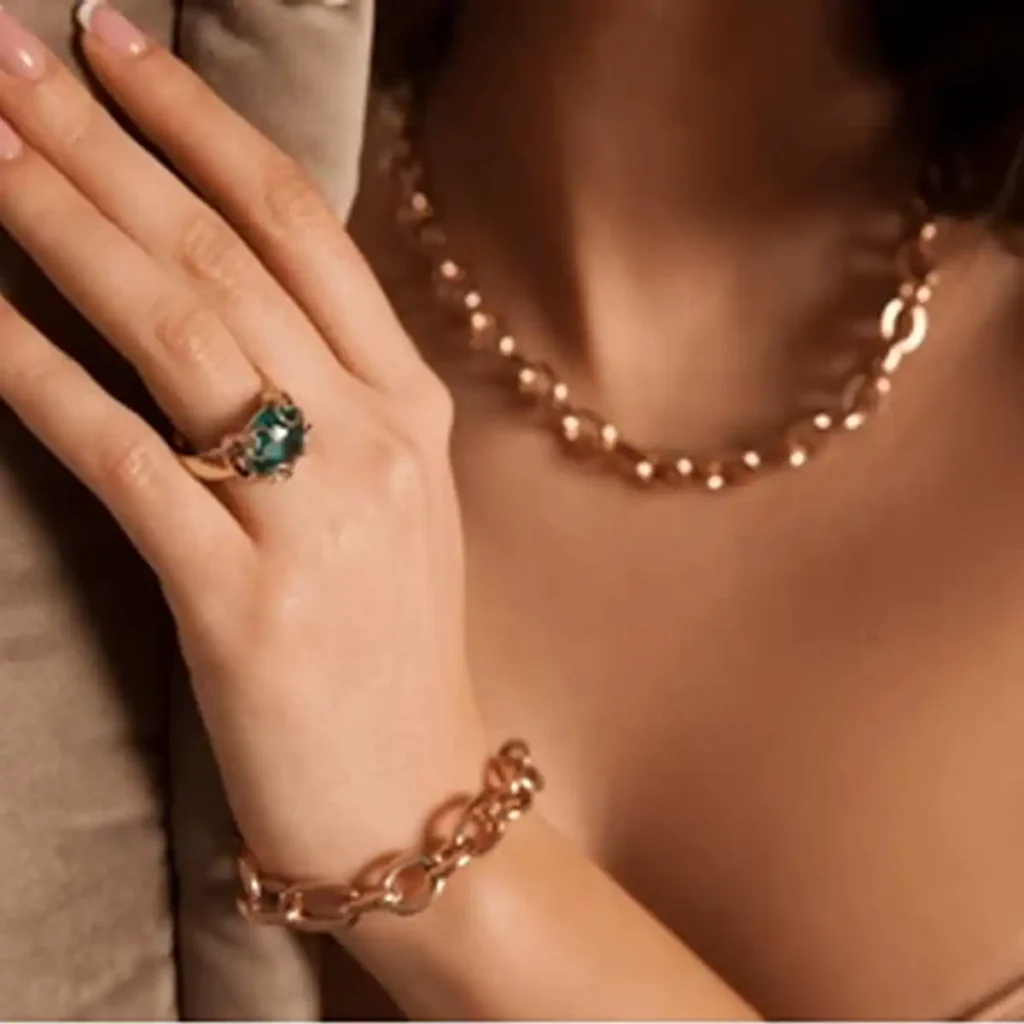

An archival recreation is not a substitute for an original historic jewel with full provenance. It is a contemporary masterwork backed by a pedigree design. Value lies in craftsmanship, brand strength, and the integrity of the process. Auction houses confirm market appetite for signed high jewellery and for rare techniques executed at the highest level. While resale is not the primary motive, well-documented commissions with disciplined specifications can retain desirability, especially when they exhibit technique mastery and timeless proportion.
For families building collections, archival pieces can anchor a theme. A Deco bracelet re-created under house authority can sit beside original period brooches, creating a cohesive narrative. For ceremonial use, a tiara engineered to modern comfort can deliver the poetry of a historic silhouette without the fragility of a 19th-century mount.
London is an efficient base for these projects. Private banks, family offices, and specialist insurers operate locally. So do independent laboratories and conservators. Clients can handle fittings discreetly and schedule reviews around other commitments. The result is a smooth path from conversation to commissioning to presentation.
Standard bespoke celebrates the client’s personal aesthetic. It can incorporate heirloom stones, unusual concepts, and contemporary ergonomics without reference to a protected design. Vintage purchase focuses on acquiring an existing jewel with its original material history intact. Archival recreation sits between these worlds. It delivers a new jewel built to current standards, yet its soul belongs to a documented design that the maison has chosen to revive under its own rules.
The time horizon is longer. The approvals are stricter. The measurements are merciless. The reward is a jewel that carries the calm authority of a classic brought back to life with its maker’s blessing.
Practical Steps For Interested Clients In London
Clients who wish to explore this path can prepare by clarifying intent, timeframe, and use case.
Define purpose. Is the jewel for occasional ceremony, frequent wear, or display within a collection? Purpose informs weight, articulation, and gemstone durability.
Select a design family. Identify period and typology. Bracelets and sautoirs behave differently from tiaras and devant de corsage pieces. The archive will refine options within that lane.
Set parameters. Establish a working budget band, comfortable timelines, and an appetite for technique. Some requests, such as extensive invisible settings, increase both time and risk.
Assemble documentation. When a specific historic piece inspires the request, gather public references. The maison will replace them with internal records, yet a clear starting point helps.
Choose representation. An advisor with house literacy keeps the brief realistic and the dialogue efficient. Smith Green Jewellers coordinates stages, manages fitting logistics in London, and ensures decisions align with heritage and with the client’s life.
The archival path most often touches high jewellery, yet its principles inform important private commissions for engagement rings and luxury watches. For rings, a client may request proportions that mirror a documented classic, with careful attention to pavilion depth, crown height, and calibré shoulders. For watches, archival aesthetics influence case profiles, lug geometry, and dial detailing. While full watch re issues follow different programmes, the appetite for historically faithful proportion and finish is shared across categories.
This alignment benefits clients who shop across departments. A house-trained eye brings the same discipline to a diamond engagement ring, an emerald line bracelet, or a minute repeater with heritage cues. The goal is coherence. The collection looks collected rather than accumulated.
Three risks deserve attention.
Timeline risk. Workshops that can execute archival work also serve exhibitions and high jewellery seasons. Build contingency into dates that matter, such as weddings or investitures. Approvals compress easily on paper and rarely in practice.
Gemstone risk. A period-correct character may not align with the loudest modern market preferences. Calibré suites take time. Colour matching across old cut stones is a craft in itself. Decide early whether character or perfection drives the brief.
Reputational risk. Posting work in progress can breach agreements and strain relationships. Keep images private unless a release is agreed upon. When in doubt, ask before sharing.
An experienced intermediary mitigates these risks with precise briefs, disciplined checkpoints, and documented decisions.
We operate within London’s most demanding jewellery ecosystem. Our work with collectors, family offices, and private banks means we understand how to balance privacy, process, and result. We translate the client’s story into a brief that respects house protocols. We propose stone strategies that look right for the design rather than being merely expensive. We schedule fittings in ways that minimise disruption, and we protect the project’s confidentiality from first call to final handover.
For buyers considering private jewellery commission London pathways, we can assess whether an archival route is viable now or whether a house-inspired bespoke will deliver a better outcome for the intended use. Either way, the client receives a jewel built to last, with proportions and finishing that read as correct across decades.
Fun fact: The word tiara once referred broadly to royal head ornaments across ancient cultures, yet in high jewellery it evolved to describe structured, engineered diadems designed to balance precisely on the head while dispersing weight through hidden fittings.
If you came looking for the most exclusive way to commission a jewel, the archival path is it. It revives a documented design under the eye of the house that created it, using the craft vocabulary that gave the original its voice. It demands patience, respect, and clarity of purpose. The reward is a jewel that does more than sparkle. It carries history with quiet confidence.
For London clients ready to explore the possibility, a confidential conversation can clarify feasibility, time horizon, and the right house for the story you want to tell. As the old saying goes, measure twice, cut once. In this context, it means to define the brief with care, then let the archive guide your hands.