
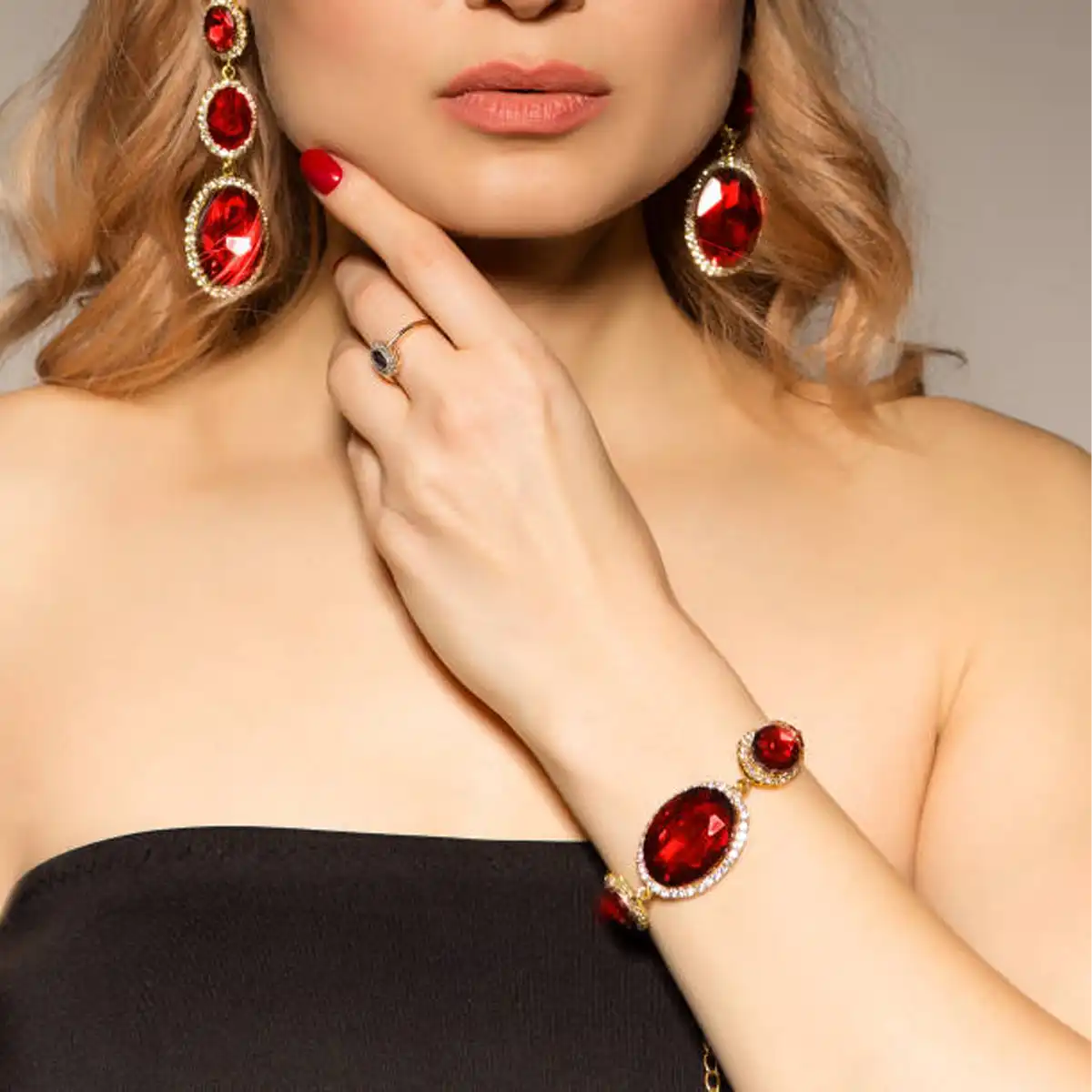
A focused plan turns a browse into a result. Decide whether you want a centre stone for a ruby engagement ring, an antique jewel with provenance, or a loose investment stone for future mounting. Fix a working budget, a preferred size range, and a comfort level on treatments. With these levers defined, Hatton Garden’s depth of stock and expertise becomes an advantage rather than a maze. The aim is a stone that balances beauty, rarity, and documented integrity, supported by London’s strong consumer protections.
Coloured gemstones are enjoying sustained demand across bridal and high luxury. Rubies sit at the front of this trend because top colour is scarce and unmistakable on the hand. Supply remains limited from key sources, while appetite for statement colour and one-off pieces grows. This imbalance supports prices for fine natural stones, especially above 1 carat. Lab-created corundum expands choice at lower price points, yet it also clarifies the premium on natural origin with independent reports. Treat lab and natural as separate markets with separate value logic.
A fine ruby is both an adornment and portable wealth when supported by robust documentation. Exceptional colour, natural origin, and transparent provenance underpin long-term resilience. Liquidity improves when the stone carries a leading lab report and sits in a classic setting in gold or platinum with a UK hallmark. View any financial upside as a bonus to daily enjoyment rather than the sole purpose. That mindset keeps decision-making disciplined.
Coloured stones are not graded on a single universal scale. Your result depends on trained eyes, careful comparison, and authoritative paperwork. Prioritise colour first, then clarity that is clean to the eye, then cutting quality, then size. Origin and treatments act as multipliers. Keep notes as you compare, and photograph options under the jeweller’s lighting and near natural daylight so your impressions stay consistent.
Colour drives value. Gemmologists break it into hue, tone, and saturation. The most prized hue is a pure, vivid red that may carry a faint violet or blue modifier. Tone should sit around medium to medium dark, bright but not blackish. Saturation needs strength without brown or grey. Stones that drift orange or that sit too light risk falling into pink sapphire territory. When you view candidates, step back from the loupe and judge the face up impression at arm’s length, since that is how the ring will live.
High signal colour phrases to recognise include Pigeon’s Blood ruby, a trade description for a deeply saturated, luminous red often associated with Mogok in Myanmar. It is descriptive rather than a formal grade, so rely on what you see and what the lab report confirms rather than the phrase alone.
Rubies are Type II gems, so inclusions are expected. Eye clean stones in the VVS to VS range are prized. Fine silk, the network of tiny rutile needles, can soften glare and create a velvety look. Its presence may also suggest the stone has not seen high temperature heat, since aggressive heat can dissolve silk. Obvious crystals, heavy zoning, or surface reaching fractures reduce transparency and durability. Judge clarity by how the stone performs in motion, not just under 10x.
Cutting in coloured stones aims to optimise colour, brilliance, and weight. Ovals and cushions are common because they suit typical ruby rough. A shallow cut can create a window that leaks light across the centre. A too deep cut can darken the stone and trap weight where it does not show. Pleochroism means the face up orientation matters. A skilled cutter aligns the table to the strongest red. Turn the stone slowly and confirm that the hue holds across angles.
Above 1 carat, fine rubies become scarce. At 2 carats, prices per carat often jump sharply for comparable quality. Beyond 3 carats, scarcity intensifies. At 5 carats and above, world class stones sit in a different tier. If budget is fixed, trade a small decrease in carat for a step up in colour and clarity. On the hand, top colour at 1.2 carats can look richer than a dull 2 carat.
Origin can add a premium when supported by a top lab. Myanmar has historically produced celebrated colour from Mogok, though modern ethical concerns mean many retailers prioritise vintage Burmese stones or avoid new material. Mozambique has delivered outstanding rubies since the late 2000s and now anchors supply at high quality. Sri Lanka, Madagascar, Tanzania, and Vietnam also yield fine stones with distinct personalities. Treatments matter. Standard heat to improve colour and dissolve silk is widely accepted and should be disclosed. Unheated stones of fine quality are rare and command notable premiums. Steer clear of lead glass filling for significant purchases because it undermines durability and value.
| Quality factor | Exceptional investment grade | High quality fine jewellery | Commercial grade |
| Colour | Vivid pure red to slightly purplish red, medium to medium dark tone, strong to vivid saturation | Strong red with minor modifiers, balanced tone, good saturation | Noticeable orange, brown, or heavy purple, tone too light or too dark |
| Clarity | Eye clean VVS or VS, fine silk possible and attractive | Minor inclusions visible only on close inspection | Obvious inclusions that affect transparency or durability |
| Origin | Classic sources with strong lab support, including Mogok or top Mozambique | Reputable sources with lab origin stated | Mixed or unspecified origin |
| Treatment | Natural unheated with lab confirmation | Standard heat disclosed, no glass filling | Heat common, glass filling possible and to be avoided |
| Size | 2 to 3 carats and above with exponential price effects | 0.5 to 3 carats for strong value and wearability | Sub 1 carat or larger stones with notable compromises |
Fun fact: Rubies and sapphires are the same mineral species, corundum, with trace chromium giving ruby its red while iron and titanium combinations create sapphire’s blues and other colours.
Hatton Garden is home to over 70 street-level shops and hundreds of workshops and dealers upstairs. Book appointments for serious viewing so a senior specialist can curate stones to your brief. Treat the area as expert retail with keen pricing rather than a wholesale market. Some groups operate multiple shopfronts, so compare on quality and service rather than brand count alone.
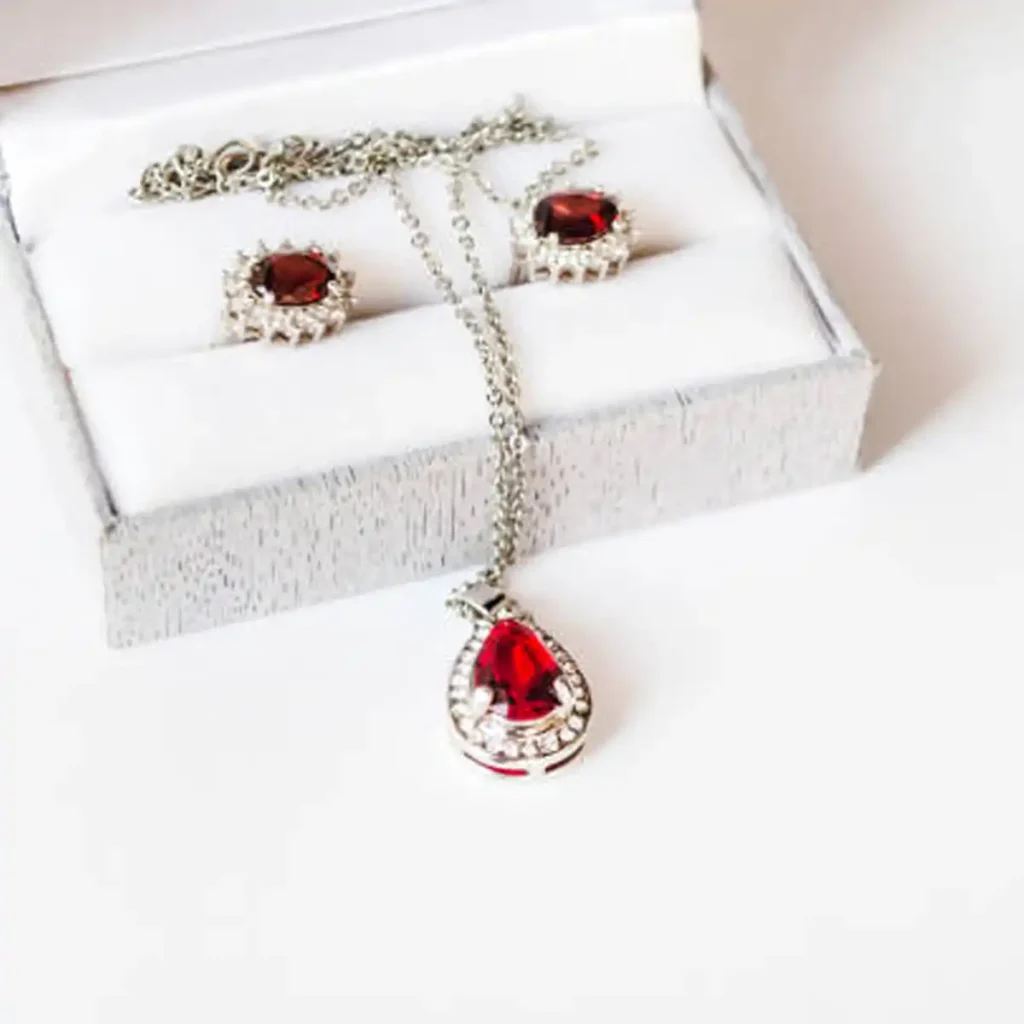
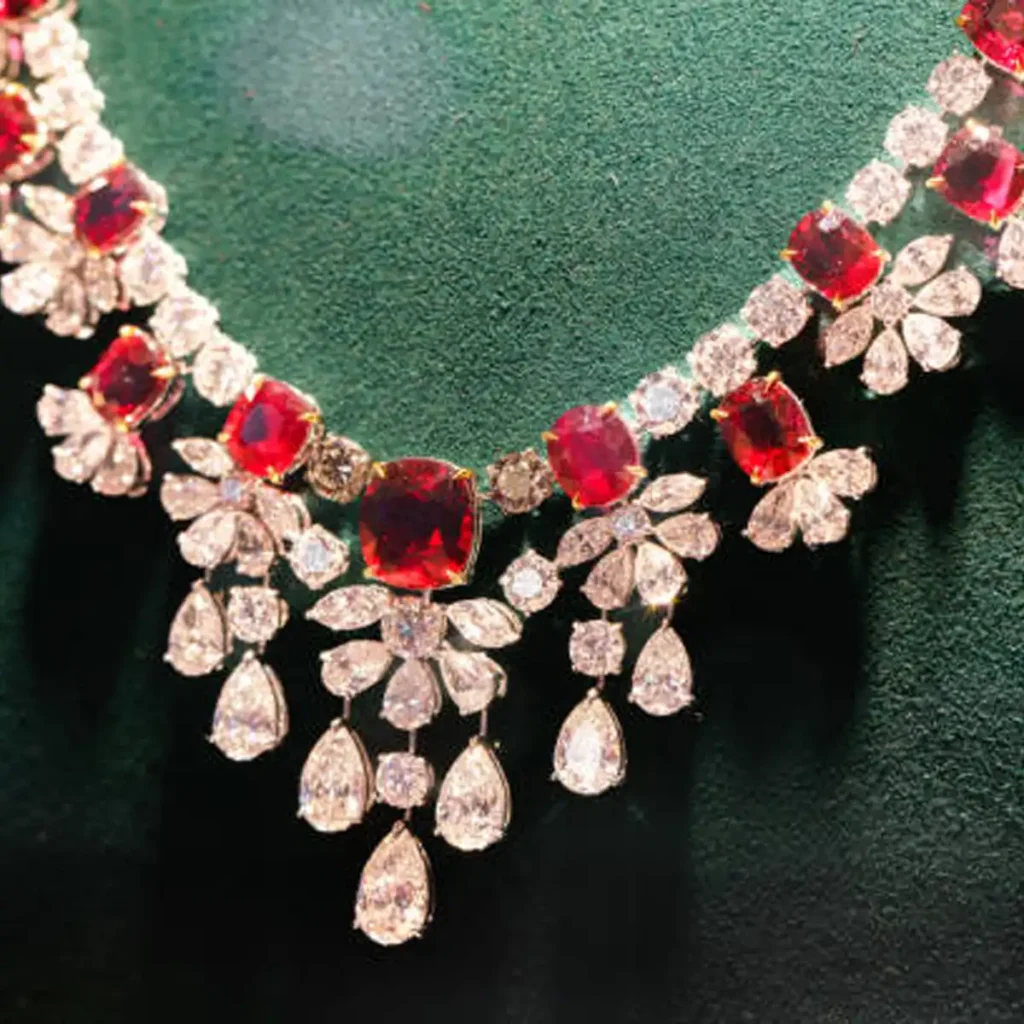
Commissioning bespoke jewellery delivers a personal result and full control over setting style. Expect an initial consult, stone sourcing, design development with sketches or CAD, a wax or 3D print, and hand finishing in the workshop. Timelines often sit between 4 and 16 weeks. Notable bespoke names in the district include Queensmith with in-house gemmologists, Simon Lewis Jewellers with design workshops, and Hyde Park Design with multi-generational craft supported by CAD. Use them as reference points and judge by process clarity, bench quality, and communication.
Antique and vintage pieces carry period design and history. Assess condition, original details, and practicality for resizing. Established dealers include Hirschfelds with long-standing trade heritage, Farringdons Jewellery with a broad period range, Berganza with a tightly curated selection and deep cataloguing, and Wave Antiques with a family legacy. Confirm period authenticity, replacement history, and stone reports where relevant.
Family-run houses such as Rennie & Co, Beverley Hills Jewellers, and Holts Gems provide breadth across settings and stones, often with experienced gemmologists on site. For loose Hatton Garden rubies at investment level, specialist dealers such as SICO International can assemble high calibre selections across sizes and origins. Ask in advance for stones that match your colour and treatment brief so you view like for like.
Arrive prepared and ask direct questions. A reputable jeweller will welcome detail and provide complete answers.
An independent report is your primary defence against misrepresentation. For rubies, the GIA Colored Stone Identification and Origin Report confirms species and variety, measurements, colour description, treatments observed, and origin when determinable. IGI provides comparable coloured stone reports with photography and treatment notes. Treat any marketing terms as secondary to what a leading lab records. Keep copies of reports, invoices, and photos together for future insurance or resale.
The UK hallmarking system, set in law since the Hallmarking Act 1973, requires most gold, silver, platinum, and palladium items offered for sale to carry a hallmark. Look for three compulsory marks on the metal: the sponsor’s mark, the fineness mark stated in parts per thousand, and the assay office mark for London, Birmingham, Sheffield, or Edinburgh. This independent verification safeguards metal quality and brings assurance that many countries do not mandate.
The Consumer Rights Act 2015 protects purchases of goods and services. Items must be of satisfactory quality, fit for purpose, and as described. If a fault emerges, you hold a short term 30 day right to reject for a full refund. After that, you can require repair or replacement, and if that fails, seek a refund or price reduction. Keep all paperwork and communicate in writing so timelines are clear.
If you live outside the UK, many retailers can ship securely, and UK VAT is typically removed at point of export. You remain responsible for import taxes and duties in your country. For added protection, use a credit card with a value between £100 and £30,000, so Section 75 of the Consumer Credit Act may apply. Request insured shipping with a reputable courier and insist on itemised invoices that reference the lab report.
Ethical expectations have moved centre stage. Responsible sourcing now influences both desirability and price. Myanmar has historic prestige for colour yet ongoing human rights concerns. Many reputable firms avoid newly mined Burmese material and focus on vintage stones or on origins with improving governance such as Mozambique or Sri Lanka. Ask suppliers how they vet mines and cutting centres, how they document chain of custody, and whether they are members of the Responsible Jewellery Council. Membership of the National Association of Jewellers also signals adherence to a code of conduct rooted in integrity and transparency.
Three practical provenance questions to ask every time. Can you specify the country and region of origin with documents. What treatments were applied and at what temperatures. What audit or membership frameworks govern your supply chain.
When you understand market context, can read colour and clarity, and insist on authoritative paperwork, confidence follows. Choose the right specialist for your aim, whether bespoke creation, antique romance, or a loose stone for investment. Let UK hallmarking and consumer law underpin the setting and the sale. Keep ethics on the table as part of value, not a separate topic. The result is a jewel that carries emotional power, visual presence, and documented integrity.