
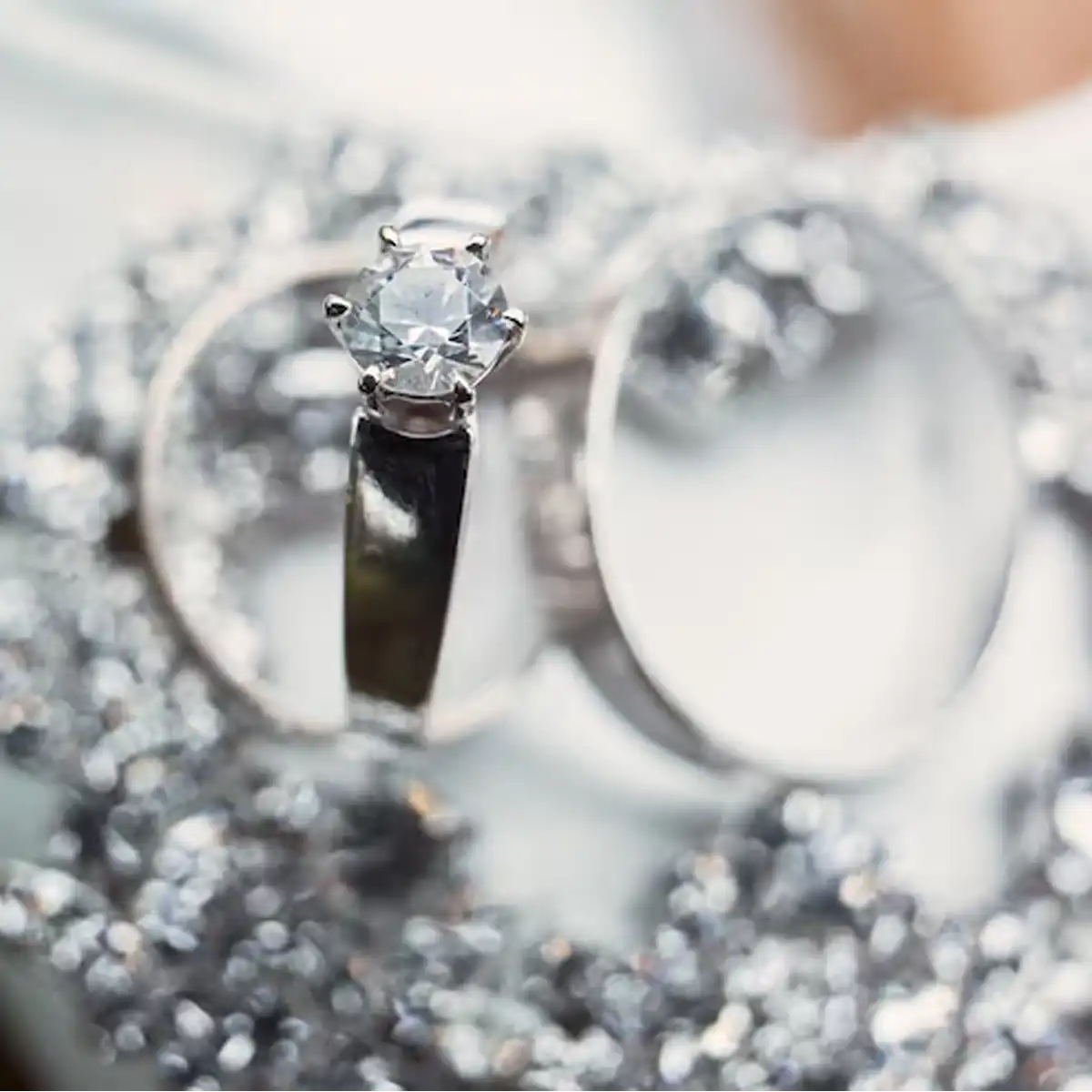
London’s relationship with fine jewellery has always balanced heritage with change. In Hatton Garden, where generations of cutters, setters and dealers built a global reputation for expertise, that balance is now being tested by a decisive shift in how diamonds are chosen. By 2026, lab-grown diamonds in Hatton Garden will no longer be a curiosity or a compromise. They are becoming the default option for a growing share of engagement ring buyers who want clarity not just in a stone, but in the values behind it.
Walk into a contemporary Hatton Garden boutique today, and the conversation has changed. Clients still ask about cut quality, colour and proportion, but they are just as likely to ask how a diamond was created, how it was certified and how its production fits with wider environmental goals. This is not a rejection of tradition. It is a redefinition of what luxury means in modern London, shaped by sustainability, transparency and informed choice.
At Smith & Green, this transition is not theoretical. It is reflected daily in consultations with couples, private buyers and international clients who arrive well researched and purposeful. Lab-grown diamonds have moved from the margins to the centre of serious fine jewellery discussions, reshaping budgets, design decisions and expectations of service across Hatton Garden.
The most significant driver behind the rise of lab-grown diamonds is not price alone. It is the emergence of conscious luxury as a mainstream expectation among London buyers. In 2026, purchasing decisions are increasingly framed around environmental responsibility, supply chain visibility and long-term value rather than status signalling alone.
A traditional mined diamond typically involves large-scale excavation, energy-intensive processing and complex global logistics before it reaches a jeweller’s bench. In contrast, a lab-grown diamond produced through Chemical Vapour Deposition is cultivated in a controlled environment using advanced engineering. The result is a stone that is chemically, physically and optically identical to a mined diamond, but with a significantly reduced environmental footprint.
For many Londoners, this distinction matters. Net-zero targets are no longer abstract policy goals. They are shaping personal choices, from transport to housing and now to engagement rings. Choosing a lab-grown centre stone allows buyers to align a deeply symbolic purchase with broader commitments to sustainability without sacrificing brilliance or durability.
This shift has also reframed how luxury is perceived. Instead of equating higher cost with higher status, buyers are increasingly measuring value through craftsmanship, design integrity and responsible sourcing. Lab-grown diamonds have accelerated this change by removing some of the cost pressure associated with mined stones and allowing clients to focus on the quality of the finished piece.
Hatton Garden has survived for centuries because it adapts. From its early days as a centre for watchmaking to its later dominance in diamond trading, the district has repeatedly absorbed new technologies and market realities. The adoption of lab-grown diamonds follows this pattern.
In practical terms, Hatton Garden offers the ideal environment for lab-grown diamonds to thrive. The district is built on technical literacy. Jewellers here understand grading reports, optical performance and setting tolerances at a level that allows meaningful comparison between stones. This expertise is essential when explaining why a lab-grown diamond certified by a recognised laboratory meets the same standards as a mined equivalent.
The concentration of workshops also matters. When a diamond costs less at the sourcing stage, clients often reinvest those savings locally. Instead of settling for a standard mount, they commission bespoke settings, hand-finished details and carefully balanced proportions that elevate the entire ring. This plays directly to Hatton Garden’s strengths as a centre of bench-made jewellery rather than mass retail.
Accessibility has also played a role. Improved transport links, including the Elizabeth Line, have brought Hatton Garden within easier reach of buyers from across London and beyond. With this broader audience comes greater scrutiny.
In 2026, buyers arrive informed. They expect clarity on origin, production method and certification. Vague assurances are no longer sufficient. Lab-grown diamonds meet this demand particularly well because their creation process is inherently traceable. At Smith & Green, each lab-grown diamond is supplied with independent certification from internationally recognised bodies such as the GIA or IGI, alongside documentation that outlines its growth method and specifications.
This transparency builds confidence. Clients can compare stones on equal terms, understand what they are paying for and make decisions based on evidence rather than sales pressure. In a district once associated with insider knowledge and opaque deals, this openness represents a cultural shift.
One of the most tangible effects of lab-grown diamonds is how they reshape design choices. When the centre stone represents a lower proportion of the overall budget, attention naturally shifts to the setting and finish.
Clients commissioning bespoke engagement rings in Hatton Garden are increasingly prioritising:
This emphasis on craftsmanship aligns closely with traditional jewellery values. A ring becomes an object made with intention rather than a vehicle for maximising carat weight alone. Lab-grown diamonds have enabled this recalibration by freeing budgets to be spent where skilled human labour makes the greatest difference.
It has also expanded aesthetic options. Larger stones with high colour and clarity grades become achievable without ethical compromise. Buyers who once felt constrained by cost can now explore designs that would previously have been out of reach, while still maintaining a responsible sourcing stance.
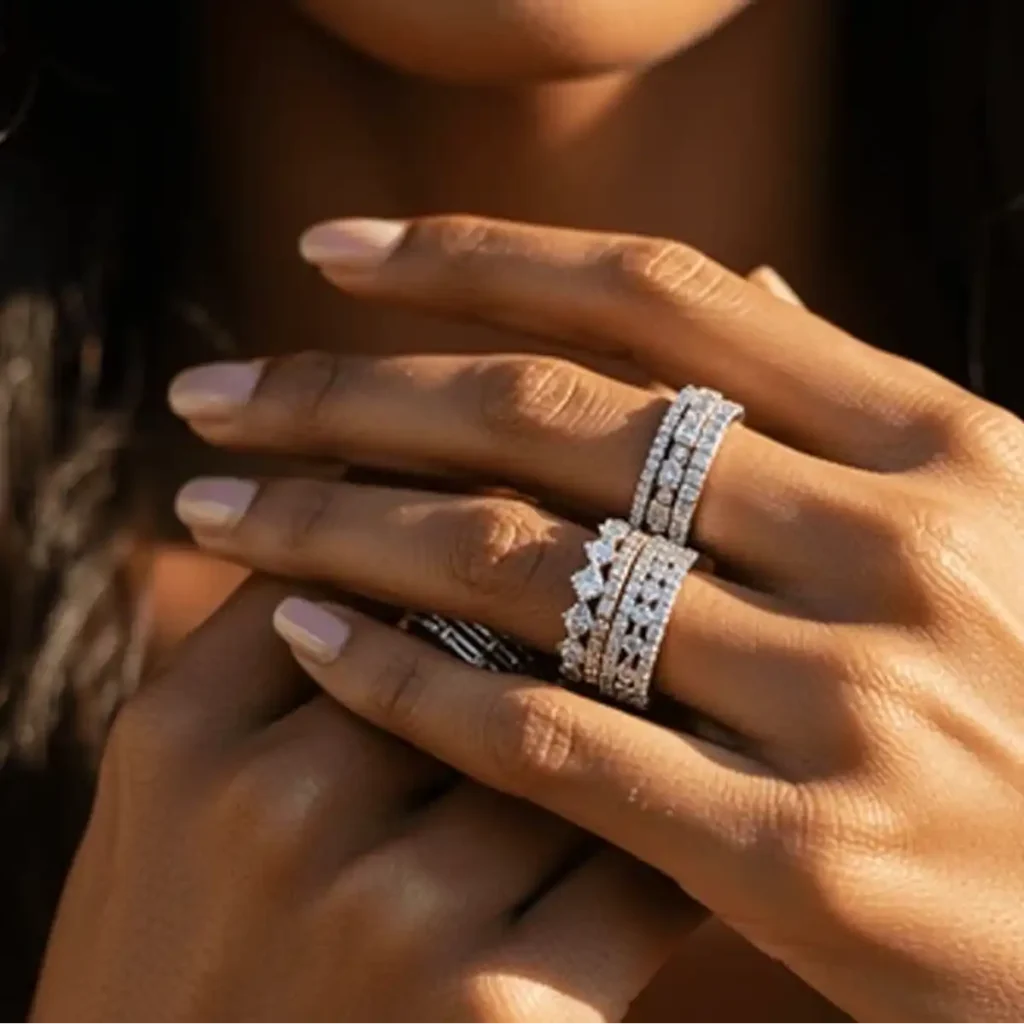
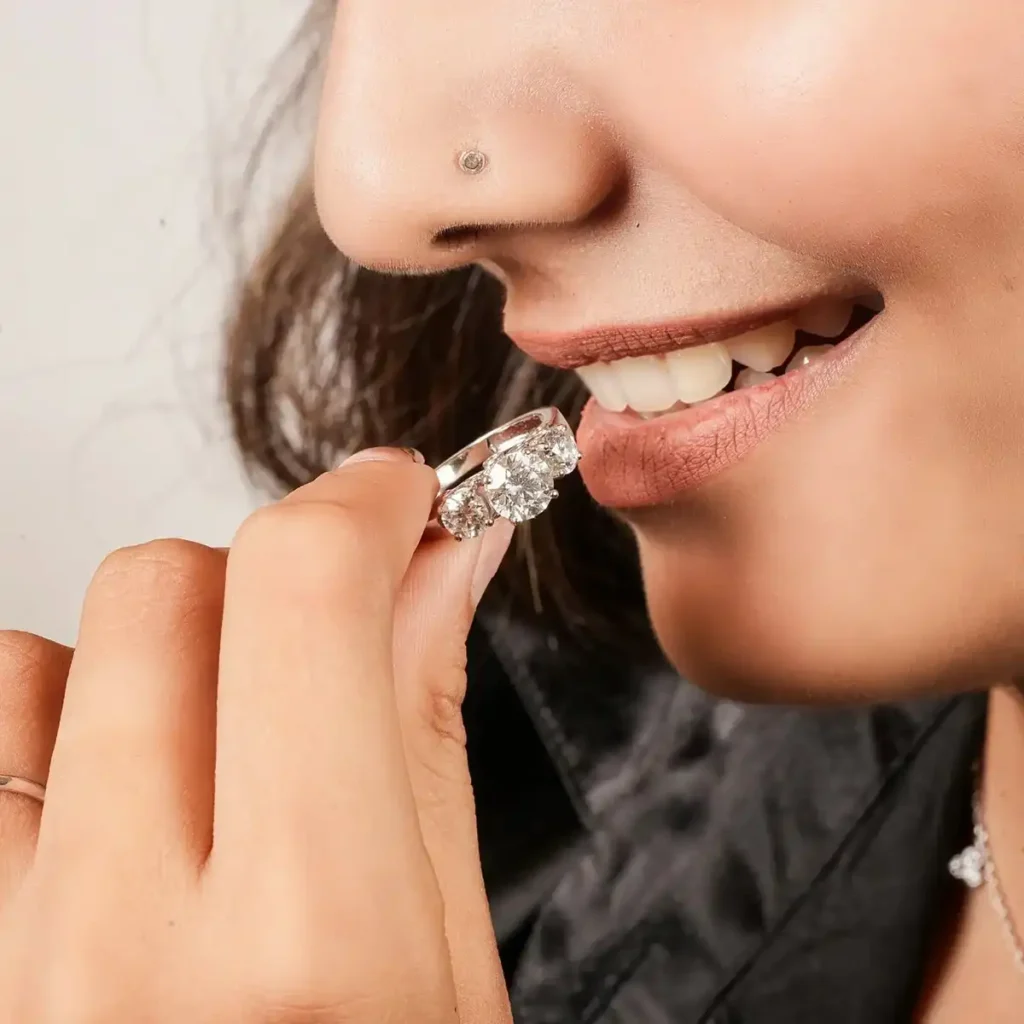
A common question among first-time buyers is whether lab-grown diamonds are
real. In technical terms, they are. Their crystal structure, hardness and optical properties match those of mined diamonds. What distinguishes them is origin, not substance.
Certification is therefore crucial. Independent grading reports provide an objective assessment of cut, colour, clarity and carat weight. They also clearly state the diamond’s laboratory-grown origin. For buyers, this documentation offers reassurance and resale clarity, ensuring there is no ambiguity about what has been purchased.
At Smith & Green, certified lab-grown diamonds are treated with the same seriousness as mined stones. They are evaluated for light performance, symmetry and suitability for specific settings. This approach reinforces the principle that quality is not determined by origin alone, but by execution.
Fun fact: Hatton Garden jewellers were among the first in the UK to adopt laser inscription technology, allowing diamond certificates to be discreetly marked on the girdle for verification.
Another area where informed discussion is essential is long-term value. Lab-grown diamonds do not follow the same resale dynamics as rare mined stones, particularly those with historical provenance. However, most engagement ring buyers are not purchasing with resale in mind. They are investing in a personal object intended to be worn, enjoyed and passed down.
From this perspective, value is measured differently. Durability, comfort, design relevance and ethical alignment often matter more than hypothetical secondary market prices. Lab-grown diamonds perform identically in daily wear, and when paired with well-made settings, they offer longevity that supports heirloom intentions.
By framing the conversation around use and meaning rather than speculation, jewellers can help clients make decisions that align with their priorities rather than inherited assumptions about worth.
Behind the shopfronts of Hatton Garden, traditional workshops continue to operate much as they have for generations. Bench-made jewellery remains central to the district’s identity. Lab-grown diamonds have not diminished this tradition. In many ways, they have strengthened it.
When clients choose lab-grown stones, they often become more engaged in the making process. They ask about how a ring will be constructed, how stones will be set and how finishes will age over time. This opens space for deeper collaboration between client, designer and craftsperson.
At Smith & Green, bespoke pieces are hand forged rather than assembled from pre-made components. Metal is worked to increase density and strength. Stones are set with attention to both security and visual refinement. Finished pieces are hallmarked through the London Assay Office, maintaining continuity with centuries of British quality control.
Lab-grown diamonds appeal to a broad spectrum of buyers, but they are particularly well-suited to:
They may be less suitable for collectors focused on rarity or historical provenance, where mined stones with documented origins hold specific appeal. Understanding this distinction is part of responsible advising.
For those considering a visit to Hatton Garden in 2026, preparation enhances the experience. Booking a consultation allows time for discussion without pressure. Bringing reference images can help articulate preferences, but openness to professional guidance often leads to better outcomes.
Key questions to ask include:
Timing also matters. Bespoke rings require lead time, particularly for hand-forged work. Planning several months ahead allows for design refinement and avoids unnecessary compromise.
Hatton Garden’s story has always been one of evolution. In 2026, lab-grown diamonds represent not a break from tradition, but its continuation in a new form. They allow the district to remain relevant to modern buyers while preserving the skills and standards that built its reputation.
Luxury is no longer defined solely by scarcity. It is defined by intention, transparency and quality of execution. In this context, lab-grown diamonds have earned their place at the heart of London’s fine jewellery landscape. For buyers seeking engagement rings that reflect both personal style and contemporary values, Hatton Garden remains the natural destination. The difference is that today, the future of London jewellery is being grown with care, shaped by hand and chosen with clarity