
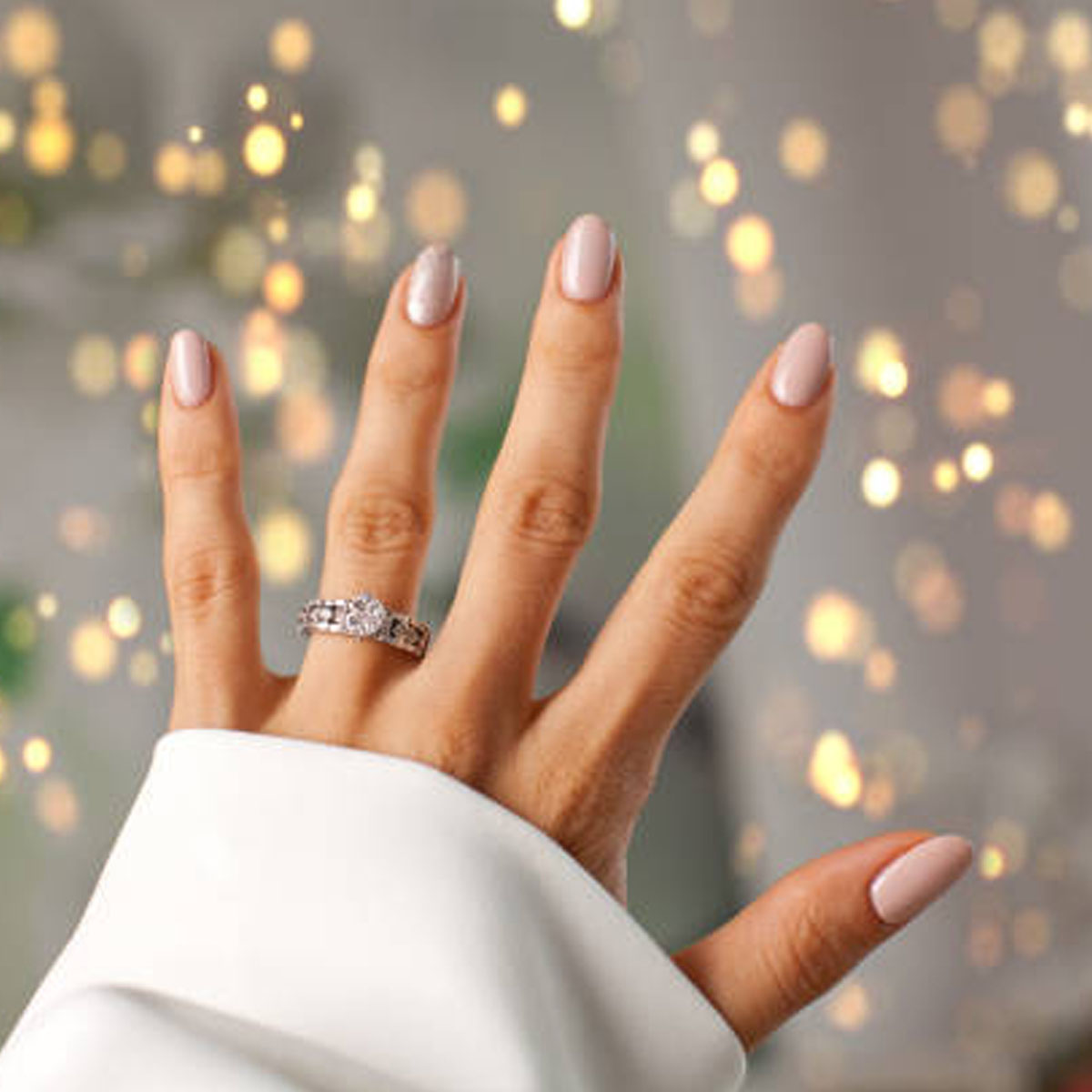
The one-carat diamond engagement ring sits in Britain’s shared imagination as a milestone that still matters. It marks a promise, it signals intent, and it has done so for generations. Yet the choice now facing modern couples is broader than at any time in recent memory. A buyer can compare natural diamonds with lab-grown diamonds, weigh white brilliance against the character of fancy colour diamonds, and combine shapes and settings that say something personal. The questions are practical as well as emotional. What does one carat truly look like on the hand? Which origin aligns with your values and budget? How do you read a grading report with confidence, and how do you shop well in Hatton Garden without pressure? This article answers those questions with clear context so that you can act with certainty.
The purpose is simple. Replace guesswork with facts, replace jargon with plain language, and show where the real trade-offs sit. You will see how weight differs from size, how shape affects coverage, how pricing works today for natural and lab-grown, and how colour grading shifts when you move beyond white. You will also find the essentials on certification, hallmarking, and buying behaviour in London’s diamond district. The aim is not to promote one camp over another. It is to equip you to choose a ring that matches your priorities, your finances, and your story.
Fun fact: One carat equals exactly 200 milligrams, so two carats equal 0.4 grams.
A carat measures mass, not dimensions. One carat is 200 milligrams. Size on the finger depends on proportions and cut quality, not only on weight. Two stones that both weigh one carat can look different in diameter or length and width. Depth is the quiet lever. If a stone is cut too deep, the weight hides in the pavilion, making the face appear smaller. If it is cut too shallow, the spread appears larger, but light return suffers. Cut quality governs light performance, which governs beauty and the sense of size. Chasing a number without checking proportions is a common mistake. Prioritise an excellent cut when possible, because that unlocks both sparkle and presence.
The shape of a one-carat stone changes how it presents on the hand. Elongated shapes often cover more of the finger. Square shapes can appear tighter for the same weight but offer distinctive faceting.
| Diamond shape | Typical 1 ct dimensions (mm) | Visual notes |
| Round brilliant | ~6.4 to 6.5 diameter | Balanced standard for brilliance, classic look |
| Oval | ~7.7 × 5.7 to 8.1 × 5.4 | Faces up large, flattering length on the finger |
| Pear | ~8.5 × 5.5 to 9.1 × 5.5 | Tapered point gives strong coverage |
| Emerald | ~7.0 × 5.0 | Broad table, elegant step cut, looks larger by outline |
| Cushion | ~5.8 × 5.8 to 6.2 × 5.9 | Soft corners, vintage to modern styles |
| Princess | ~5.5 × 5.5 | Square, brilliant style, can look smaller by spread |
| Marquise | ~10.0 × 5.0 | Long outline maximises spread for weight |
| Radiant | ~6.5 × 5.5 | Cropped corners, step-meets-brilliant look |
| Asscher | ~5.5 × 5.5 | Square step cut with dramatic depth and symmetry |
Figures are indicative ranges for well-cut stones. The takeaway is practical. If you want a one carat ring that looks larger, an oval diamond ring or a marquise diamond often delivers more coverage than a round of the same weight. If you prize pattern and symmetry, Asscher and emerald cuts give crisp, architectural flashes rather than the rapid scintillation of a round.
Oval, pear, and marquise cuts can show a darker band across the centre known as a bow tie. It is not a clarity flaw. It is a light return issue caused by facet angles that do not bounce light back to the eye. Severity varies from faint to obvious. There is no lab grade for bow tie, so paper alone cannot protect you here. Inspect stones in person or by high-quality video. Rotate under mixed lighting and watch the dark area change. A well-proportioned stone keeps any bow tie minimal and dynamic. A heavily pronounced band will look static and distracting.
The difference lies in formation, not in the end material. Natural diamonds formed deep within the Earth over very long periods and came to the surface through volcanic activity. Lab-grown diamonds form in controlled conditions that replicate nature.
Two growth methods are common. HPHT uses very high pressure and temperature to crystallise carbon around a seed. CVD uses a vacuum chamber with carbon-rich gases that deposit carbon atom by atom onto a seed. Both produce real diamonds. Both can yield exemplary colour and clarity. The choice is about provenance, price, and your stance on sustainability.
A lab-grown diamond is chemically and physically the same as a natural diamond. Both are crystalline carbon with a tetrahedral lattice. Both score 10 on the Mohs hardness scale. Both share the same refractive index and dispersion, so both sparkle in the same way when cut to the same standard. Neither will turn cloudy or yellow with time. A jeweller’s loupe or a thermal pen cannot tell the origin. Detection relies on advanced lab instruments that read growth patterns and trace elements. In short, lab-grown diamonds are real diamonds.
Many buyers care about social and environmental impact. Lab grown stones offer a transparent chain of custody. They avoid large-scale excavation and the associated disturbance of ecosystems. Energy demand is significant, yet producers increasingly use renewable sources, which improves the footprint further. Natural diamond supply has also moved to higher standards. The Responsible Jewellery Council enforces a Code of Practices across labour, environment, and business integrity for members throughout the supply chain. The Kimberley Process curbed conflict financing in rough diamond trade, although its scope is limited. A buyer can choose lab grown for clear provenance and typically lower impact, or natural from businesses that document responsible practice and support mining communities. The correct answer is the one that matches your values.
Price is where the two routes diverge most. Lab-grown production is more efficient than mining, resulting in significantly lower retail prices for like-for-like grades. The ranges below illustrate typical UK figures for a popular one carat specification.
Specification: round brilliant, G–H colour, VS2 clarity, excellent cut
| Diamond type | Indicative UK price |
| Natural diamond | £6,200 to £9,000 |
| Lab grown diamond | £1,500 to £2,500 |
Ranges reflect 2024 to 2025 retail patterns and will move with the market.
Resale differs even more. Natural diamonds benefit from finite supply and an established second-hand market, though retail to resale still falls sharply. Lab grown stones are not a financial store of value. As production scales, prices have fallen and may continue to adjust. Expect minimal resale. Treat a lab grown purchase as a purchase of beauty and symbolism, not as an investment.
Insuring the ring is straightforward for both origins. Premiums reflect replacement value. Lower purchase prices for lab-grown products usually mean lower premiums over time, which can free up budget for a higher specification or a more elaborate setting.
White diamonds are graded on absence of colour using the D to Z scale. D, E, and F are colourless. G and H sit in near-colourless territory and often appear white in a ring, making them strong choices for value and look. As you move from K towards Z, warmth becomes visible.
Fancy colours sit outside that scale. Value tracks intensity, purity, and rarity of hue. Natural red, green, and blue are the rarest. Pink and orange are also scarce. Yellow and brown appear more often and cost less by comparison. Saturation levels carry names from Faint through Fancy Vivid. The most vivid grades command the highest prices because they display intense, clean colour.
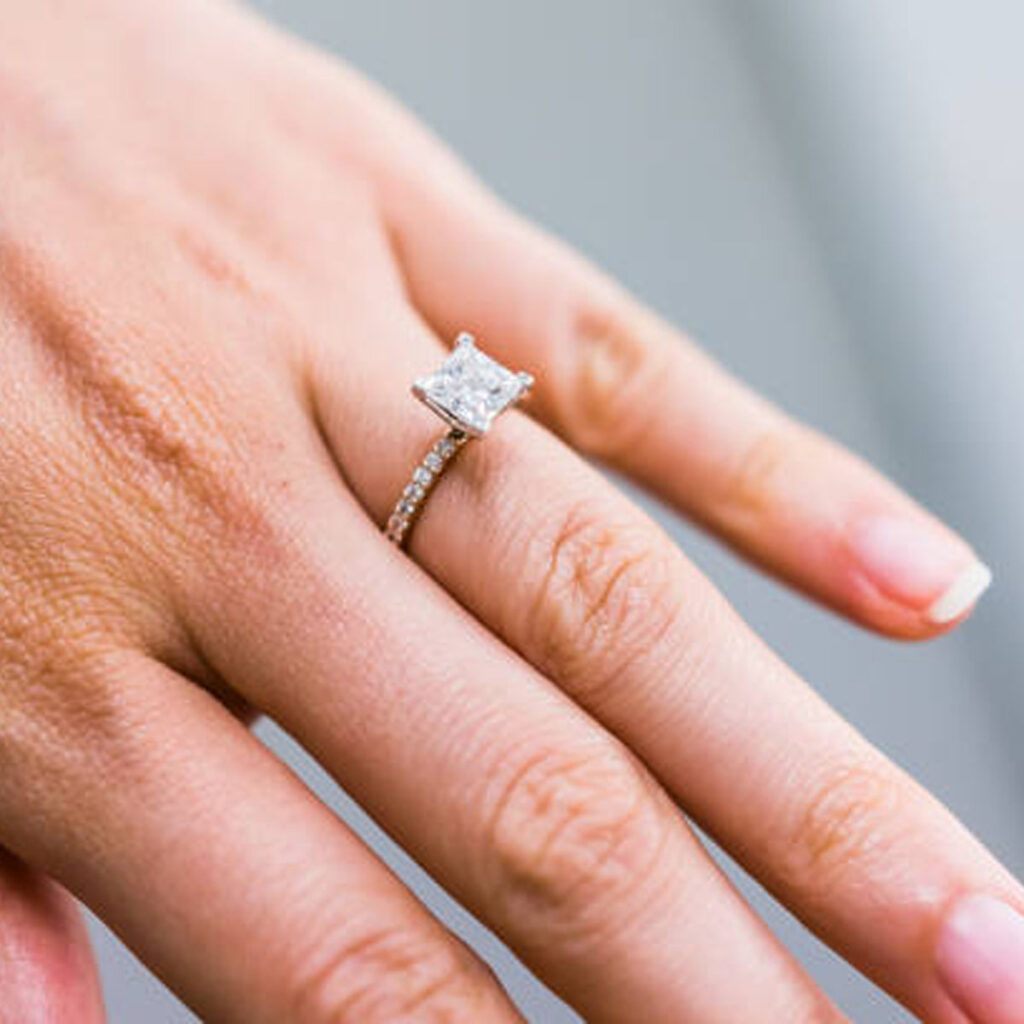
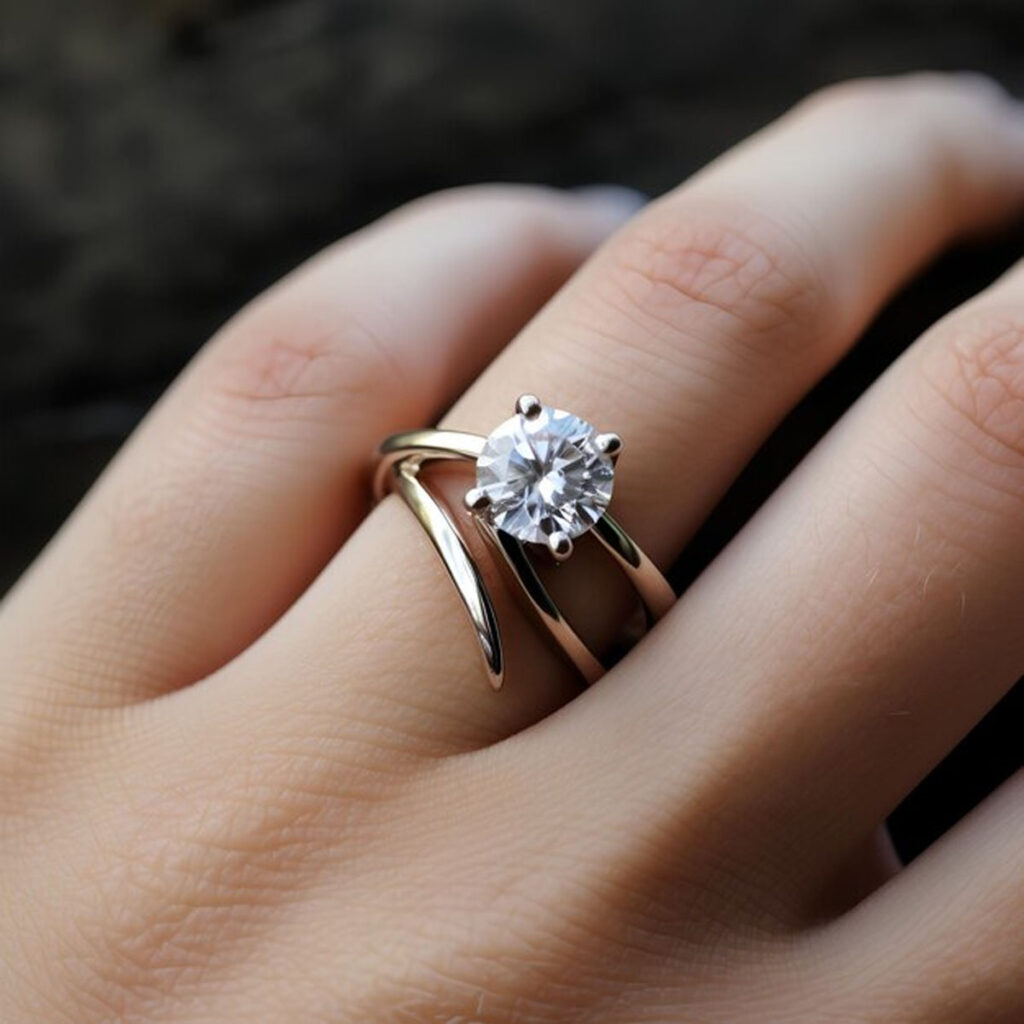
Champagne diamonds are natural brown stones with secondary tones that give warm, golden shades. They offer an approachable entry into natural colour and sit well in rose gold engagement rings or yellow gold settings. So-called salt and pepper diamonds are heavily included stones whose mixed black and white inclusions create a celestial or stormy look. They are chosen for attitude and individuality rather than textbook perfection.
Laboratories can grow coloured diamonds by introducing trace elements during growth, for example nitrogen for yellow or boron for blue. This opens access to vivid hues at prices far below natural equivalents. Treated colour is different. Here a natural diamond is altered after cutting through processes such as irradiation or HPHT to shift its colour permanently. UK consumer law requires disclosure where treatment materially affects value. Treated stones can be beautiful and affordable, but they are less rare and therefore valued lower than natural, untreated fancy colours.
An independent grading report is non-negotiable. It anchors the 4Cs in a document you can verify. Beware in-house paperwork from the seller or reports from labs with loose grading. The same letter on paper does not always mean the same quality in reality. The most trusted names differ by context. GIA certificates are widely considered the strict standard for natural diamonds. IGI certificates are common and trusted for lab grown stones. Traders often view GIA as slightly stricter than IGI on colour and clarity, so do not compare prices across labs as if grades were identical without that context.
A report is designed to be read by consumers. Focus on these fields.
Ask to view the laser inscription under magnification and match it to the report. Next, use the lab’s online report check to enter the number and confirm that the carat, measurements, colour, clarity, and plot align with the stone in front of you. This step ties the physical diamond to its paperwork and protects against mix-ups or worse.
Design in 2025 tilts toward personal stories and confident geometry. The round brilliant remains popular, yet elongated shapes have surged because they lengthen the finger and look generous for weight. Oval, emerald, and pear lead that charge. Vintage-inspired silhouettes such as Asscher, cushion, and old European cut carry romance and craft cues that many buyers now seek.
Settings have moved from pure minimalism to refined detail. Toi et moi arrangements pair two stones to symbolise a couple. Many versions mix shapes, for example a pear with an emerald, or set a white diamond with a coloured sapphire or ruby. East-west mounting rotates elongated stones horizontally for clean, contemporary lines. Bezel settings have returned with purpose. They protect the edge, suit active wearers, and frame the centre so it looks larger. Three stone rings keep their appeal, often with mixed shapes in the side stones for updated balance.
Metal choice trends cooler. Platinum engagement rings and white gold engagement rings dominate because they are strong, versatile, and neutral against both white and coloured stones. Yellow gold holds steady for warmth and vintage character.
The hidden halo adds subtle theatre. Small pavé diamonds sit under the centre, visible in profile rather than from above. It keeps a solitaire outline while adding sparkle that reveals itself in motion. It is discreet, personal, and easy to love.
Hatton Garden concentrates workshops, dealers, and retailers in a few streets, which creates selection and competitive pricing. Choice helps buyers, yet it also rewards preparation. Arrive with a clear budget and a target specification for the 4Cs, shape, and setting. Compare like with like. That means matching lab, weight, colour, clarity, and cut before comparing price. If you sense pressure, step away. A serious purchase deserves time and transparency. A good jeweller welcomes questions, shows multiple stones under magnification, and explains differences with patience.
Independent signals matter. Look for long-standing businesses with consistent reviews and professional memberships. The National Association of Jewellers Code of Conduct sets expectations for honesty and good practice. Membership is a useful confidence marker.
The quality of the ring’s metal is proven by hallmarking. Under the Hallmarking Act 1973, items above exemption weights must carry a hallmark that confirms precious metal fineness. Three core marks are compulsory. The sponsor’s mark identifies who submitted the item. The fineness mark states purity in parts per thousand, for example, 750 for 18 carat gold or 950 for platinum. The assay office mark shows which UK office applied the hallmark. London applied marks are widely seen on pieces sold in Hatton Garden.
A one-carat ring is still the benchmark for many couples, yet the smartest purchase today is not one size fits all. If you want the bright symmetry of tradition, a round brilliant in platinum with an excellent cut delivers timeless presence. If coverage matters, consider an oval engagement ring or a marquise diamond for a generous spread. If budget and provenance point you to lab-grown, enjoy the freedom to push size or clarity while staying within cost. If you want colour or story, explore fancy colour diamonds, champagne tones, or a two-stone design. Anchor your decision in a trusted certificate, verify the inscription, and confirm the hallmark. Then shop calmly, compare fairly, and choose the ring that feels like a true fit.
Buy with the same care you plan to give the relationship. Measure what matters, check what you can prove, and let your priorities, not the showcase, steer the choice.