
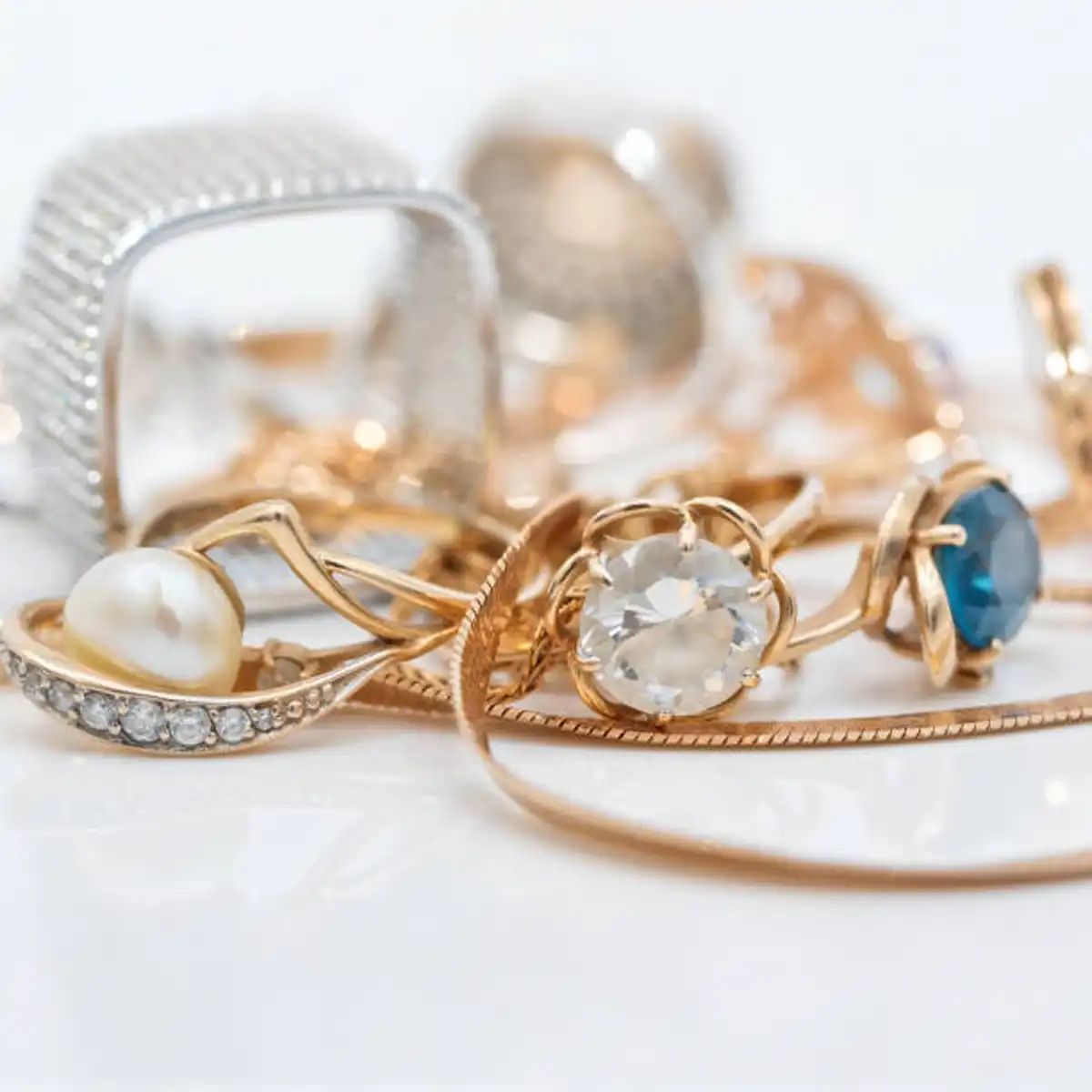
The pairing of platinum and gold now defines modern fine jewellery. The combination is not a passing flourish. It answers a clear search intent from buyers who want beauty, strength, value, and daily wear versatility. It also suits a market shaped by shifting prices and new manufacturing precision. The cool permanence of platinum and the warm glow of gold sit side by side without compromise. The result feels contemporary yet anchored in craft. It is a look that complements existing collections and simplifies styling across occasions and dress codes. The approach respects history while moving design forward. It rewards clients who value long-term performance and traceable provenance. It gives retailers a platform for education and for product stories that build trust. This article explains the metals, the workshop methods, the legal markings, the care routines, and the key styles that shape the 2024 and 2025 landscape. It equips a Hatton Garden buyer to choose with confidence and a Hatton Garden jeweller to speak with authority.
A Hatton Garden purchase is considered and personal. Clients expect measurable quality, exact workmanship, and honest explanation. Mixed metals add more choice without diluting standards. The most successful pieces balance engineering with design. They use platinum where security matters and gold where colour and comfort matter. They express taste without asking the wearer to change everything else they own. This section frames decisions through that lens.
Platinum and gold are both noble, yet they behave differently. That difference drives how a ring wears, how a setter secures a stone, and how two metals meet without stress. Knowing density, hardness, work response, and colour stability improves every decision in design and aftercare. It also prevents unrealistic promises at the counter and in marketing.
Platinum is naturally white and holds its colour. It is dense, stable, and well-tolerated by sensitive skin. Most fine jewellery uses 950 parts per thousand platinum. The remaining 5% uses alloying elements that tune hardness and workability. Common choices include ruthenium, cobalt, and iridium. Each changes how the metal casts, how it polishes, and how it behaves under a setter’s tool.
Pt950 with ruthenium balances workability and durability. It suits tubes, bands, and pieces that need machining. Pt950 with cobalt fills fine detail well during casting. It can be slightly ferromagnetic and it forms a light oxide during heating that a bench worker removes cleanly. Pt900 with iridium has a long record for traditional fabrication. Pt950 with iridium is softer and shapes easily by hand. It is less ideal for heavy daily wear when cast.
Platinum marks more easily than many gold alloys, yet it loses less volume in wear. When gold scuffs, some mass leaves the piece as fine debris. Over time, a band thins and prongs shorten. When platinum scuffs, metal shifts rather than vanishes. The surface develops a soft patina. The mass stays in the ring. That is why well-cut platinum prongs hold stones securely for decades. The trade-off is direct. Gold often keeps a mirror finish longer. Platinum often keeps its geometry and security longer.
Gold defines luxury in the collective mind. Pure 24 carat gold is too soft for daily wear. Alloys provide strength and open colour. In fine jewellery, 18 carat remains the standard at 75% pure gold by weight. Yellow gold mixes copper and silver for warmth. Rose gold uses more copper for a pink hue. White gold uses palladium or nickel to move the alloy toward white. White gold is usually rhodium plated to reach a bright cool tone. That plating is a surface finish that needs periodic renewal based on wear.
Some makers explore intermetallic compounds where metals bond in fixed ratios to form new crystal structures. These materials can be very hard and brittle and can show unusual colours such as purple or blue in gold based systems. Platinum with aluminium can form a bright yellow phase and copper additions can shift tone toward orange or deep red. These compounds behave more like gems than like malleable metals. Makers cut and set them as inlays within a durable framework. This is niche work that blends metallurgy and lapidary skill.
Joining dissimilar metals is the critical step. Platinum melts near 1769°C. Many 18 carat gold alloys melt between 900°C and 940°C. The metals expand and contract at different rates. Heat management and joint design matter. Cleanliness matters even more. Contamination from one bench station to another can cause stains or brittle seams. Best practice involves using dedicated tools and abrasives for platinum to prevent cross-metal transfer.
Traditional torch soldering uses a gold solder when joining to gold. The worker heats the platinum component first and then brings the gold to flow temperature. The method demands control but introduces a third alloy at the seam. Colour and corrosion response can differ slightly from the parent metals. Over time, a seam can show. Soldered joints can also concentrate stress.
Laser welding fuses the parent metals with a focused beam. The heat affected zone is small. The process protects nearby detail and gemstones. It also reduces risk of contamination because no flux is used. Filler wire can match the parent metal. The result is a clean seam with high strength and neat colour continuity. For mixed metal work this precision is decisive. It enables complex two tone designs with consistent reliability. It also supports repair and adjustment without softening a large area.
Platinum casting requires tailored investments and precise high-temperature control. The metal’s behaviour can trap gas or form shrinkage porosity if parameters drift. High end makers use hot isostatic pressing on complex platinum castings to densify the metal. When gold is cast onto platinum the process must manage differential contraction to avoid stress at the interface. Finishing then becomes its own discipline. Platinum polishes slowly and needs a sequence of fine abrasives on clean, dedicated wheels. Gold polishes faster. The best order is simple. Finish platinum first. Then finish the gold. That order protects detail and keeps edges crisp.
Fun fact: Platinum is about 11% denser than pure gold, so a platinum ring of the same design usually feels heavier in hand
The market favours versatility and personal curation. Mixed metal pieces act as a bridge across a collection. They harmonise white, yellow, and rose tones in one ensemble. They support layered looks across necks, wrists, and fingers. They suit both daily wear and event wear without needing a reset.
Designers also lean into metal forward pieces. Platinum’s mass and stability allow bold, sculptural forms with smooth planes and crisp radii. The long history of platinum in Art Deco inspires geometric language and stepped profiles. Makers embrace the natural patina of platinum as a mark of life rather than a fault to remove at every service. The men’s market grows with bracelets, bands, and signets that use two tone schemes to coordinate with watches and cuff hardware.
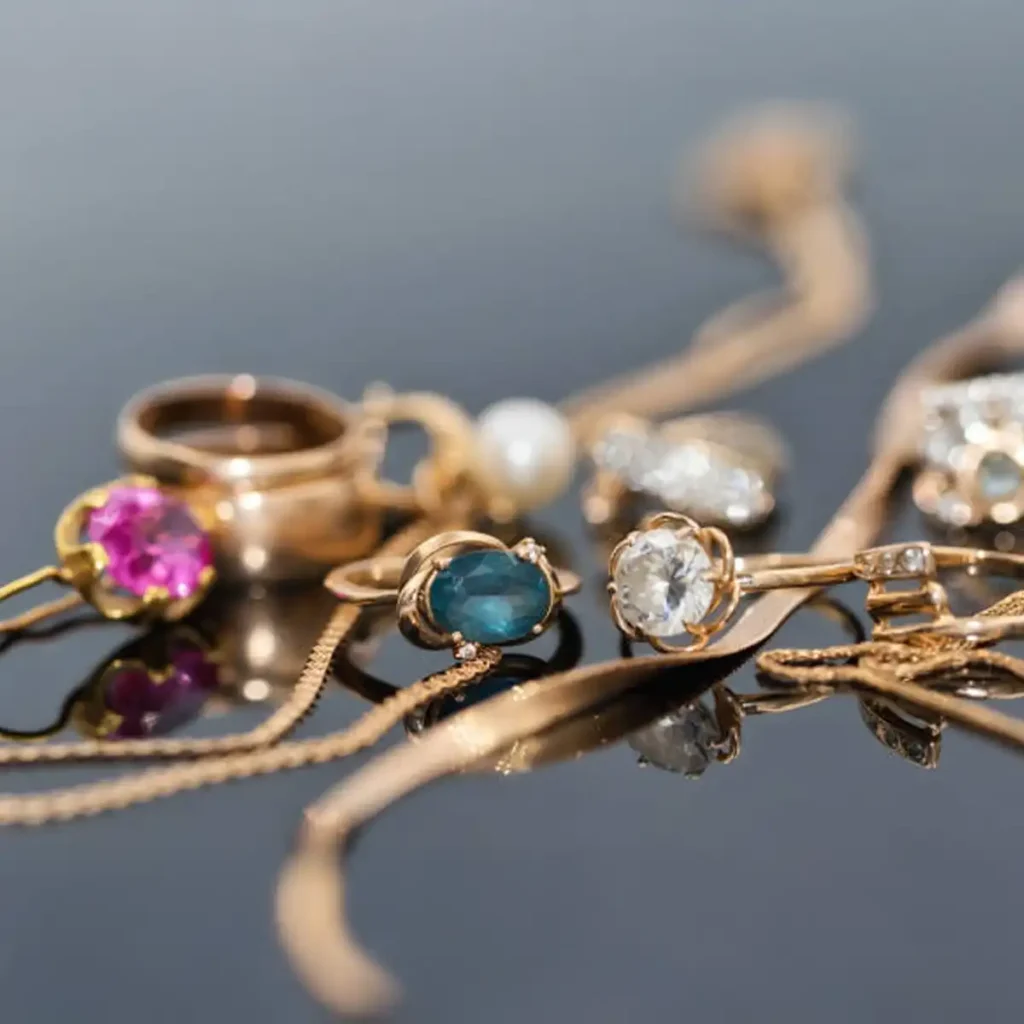
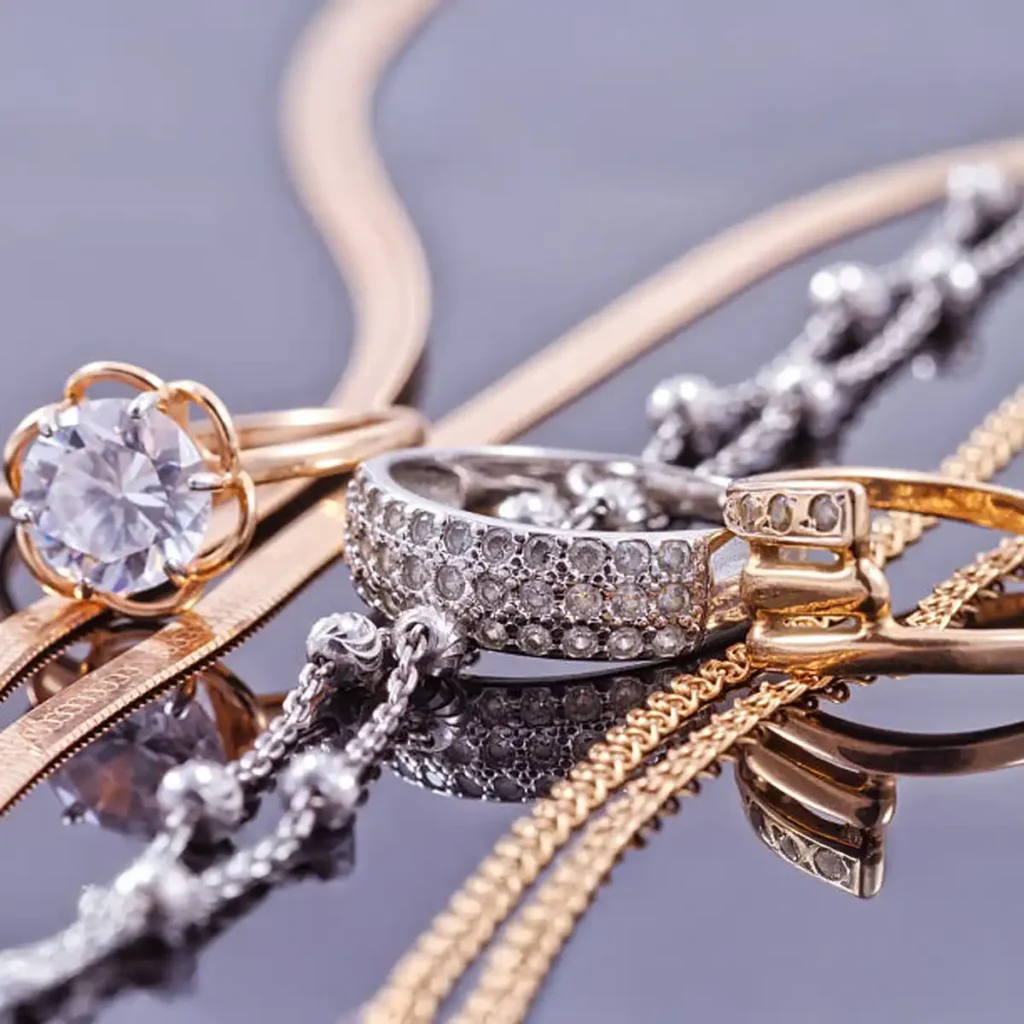
For engagement rings the two tone approach is now a proven choice. A platinum head holds the diamond. A yellow or rose gold band brings warmth against the skin. The platinum prongs act as a neutral frame that does not add tint to the stone. The band colour expresses taste and matches other pieces. Stacked sets deepen the effect. A platinum engagement ring can sit next to a yellow gold wedding band to create a strong yet coherent contrast. Twin stone designs known as toi et moi adapt well to two metals with each stone held in a different colour. Three stone settings return to favour. Band profiles widen. Emerald and princess cuts are gaining share alongside oval shapes.
Clients also look for harmony across bracelets and necklaces. Layering works best when the stack alternates metals and mixes textures. Fine and heavy links together add rhythm. Matte and high polish areas add depth. Two-tone rings, platinum engagement ring designs, and diamond settings with mixed metal details anchor many looks.
The UK hallmark confirms the fineness of precious metal. It is a legal test mark applied by an Assay Office. A full mark shows the sponsor mark, the fineness mark, and the office mark. With mixed metals the rules are clear. The full hallmark follows the least precious metal in the piece by the official hierarchy of silver, palladium, gold, then platinum. The part made from the least precious metal carries the full mark. The higher metal parts carry their fineness marks.
An important exception helps modern two-tone work. If a piece is predominantly platinum and includes small components in 18-carat gold or higher, the piece can carry a full platinum mark. The gold component then carries a 750 fineness mark elsewhere. If the small gold parts are of lower fineness, such as 9 carat or 14 carat, the exception does not apply. Clear explanation at point of sale prevents confusion and builds trust. It also aligns expectations when a client looks for a platinum mark on a ring that is mainly 18 carat gold with a platinum head. In that case the full gold hallmark is correct and the platinum head carries the 950 fineness mark.
Legal fineness is only part of quality. Clients now ask how metal was sourced and who stood behind each step. Certification against Responsible Jewellery Council standards demonstrates due diligence on human rights, labour, and environment. Chain of Custody programmes formalise traceability. Policies that verify counterparties and reject bribery matter in practice. Together with the hallmark this gives two assurances. One proves what the piece is made of. One proves how it reached the bench. For many clients that dual clarity justifies premium pricing and lifelong service relationships.
Daily wear teaches how metals meet. When an 18 carat gold ring sits next to a Pt950 ring the gold can mark the platinum surface and bring on patina faster. Over long periods the platinum can in turn abrade the gold and remove a little mass. A thin spacer band between the two can reduce friction. If two rings will always be worn together a jeweller can join them to remove movement and stop wear between them.
Cleaning is simple. Warm water with a small amount of mild soap loosens dirt and oils. A soft brush helps in the setting. Rinse and dry with a lint free cloth. Avoid chlorine and harsh chemicals. Remove jewellery for swimming and for heavy household cleaning. Apply lotions and fragrance before putting on jewellery. Ultrasonic cleaners are effective in skilled hands but can loosen small stones and can harm certain gem materials. Professional cleaning with inspection once a year is a sound habit.
Platinum’s patina is part of its character. Many owners enjoy the soft glow. A jeweller can return a high polish at any time. White gold needs rhodium replating to stay bright white. Wear rate depends on lifestyle and contact points. Service intervals between 1 and 3 years are common for frequently worn pieces.
Education is the lever. Serialise the core topics into focused articles that earn links and shares. Topics include platinum and gold wear behaviour, hallmarking in mixed metal pieces, and modern welding inside the workshop. Support words with clear images. Show a laser welder in action. Show a polishing sequence for platinum from coarse to final finish. Turn alloy and hardness data into clean infographics for social channels. Tie each visual to a relevant product with an internal link.
Train the sales floor to explain value without jargon. Simplify the core physics. Platinum moves under scuff yet keeps mass. Gold resists marks yet gives up mass slowly. A platinum head holds a diamond securely for decades. An 18 carat gold band keeps warmth against the skin and matches other pieces. Laser-welded joints last and stay neat. UK hallmarking rules make sense when described step by step. Clients remember simple statements more than long proofs.
Curate signature two-tone collections and make the story visible at the point of sale. List alloys in plain language. State whether the head is Pt950 with ruthenium or with cobalt. State the gold fineness as 750. State that the join is laser welded. State that sourcing follows Responsible Jewellery Council codes. Put that same clarity online next to the add to basket button. Make ownership easy with annual service invitations and clear care tips in a printed card or digital wallet pass.
Mixed metal pieces solve real needs in style and performance. Platinum offers security and structural endurance. Gold offers colour, comfort, and easy polish. Modern welding and strict bench practice remove past risks at the join. Market conditions favour platinum on a value basis, while high gold prices support a focus on fewer, better pieces. Ethics and law work together through hallmarking and responsible sourcing. The two marks confirm content and conduct. For the buyer this becomes smart luxury. For the maker it becomes a platform to demonstrate skill. For the retailer it becomes a durable point of difference. The right choice feels like the right tool for the life ahead.