

A receipt proves what you paid for a ring in Hatton Garden. It does not prove what the ring is, and it does not tell an insurer what replacing it would cost. Those 2 jobs belong to a proper valuation, and the gap between the documents catches buyers out every year. Ring insurance and valuation in Hatton Garden are easier to arrange than almost anywhere else in the country, because the trade that made the ring sits in the same few streets.
The quarter’s structure works in the buyer’s favour here. Valuers, the workshops that made the piece and the dealers who supplied the stone all operate within walking distance of one another, from Hatton Garden itself through to Greville Street. What follows sets out what a proper valuation contains, how it differs from your receipt, and what your insurance policy must actually say before the ring is protected.
Ring insurance and valuation in Hatton Garden involve 2 documents working together. An independent valuation describes the ring precisely and states what replacing it would cost at retail. An insurance policy then covers the ring on the strength of that document, either within a contents limit or as a separately specified item.
Buyers in the quarter have a particular reason to take this seriously. The structural economics of Hatton Garden, lower premises costs and a shorter supply chain, commonly mean the price paid here sits below what a high street replacement would cost. Insure at the receipt figure and the shortfall appears at exactly the moment it hurts most.
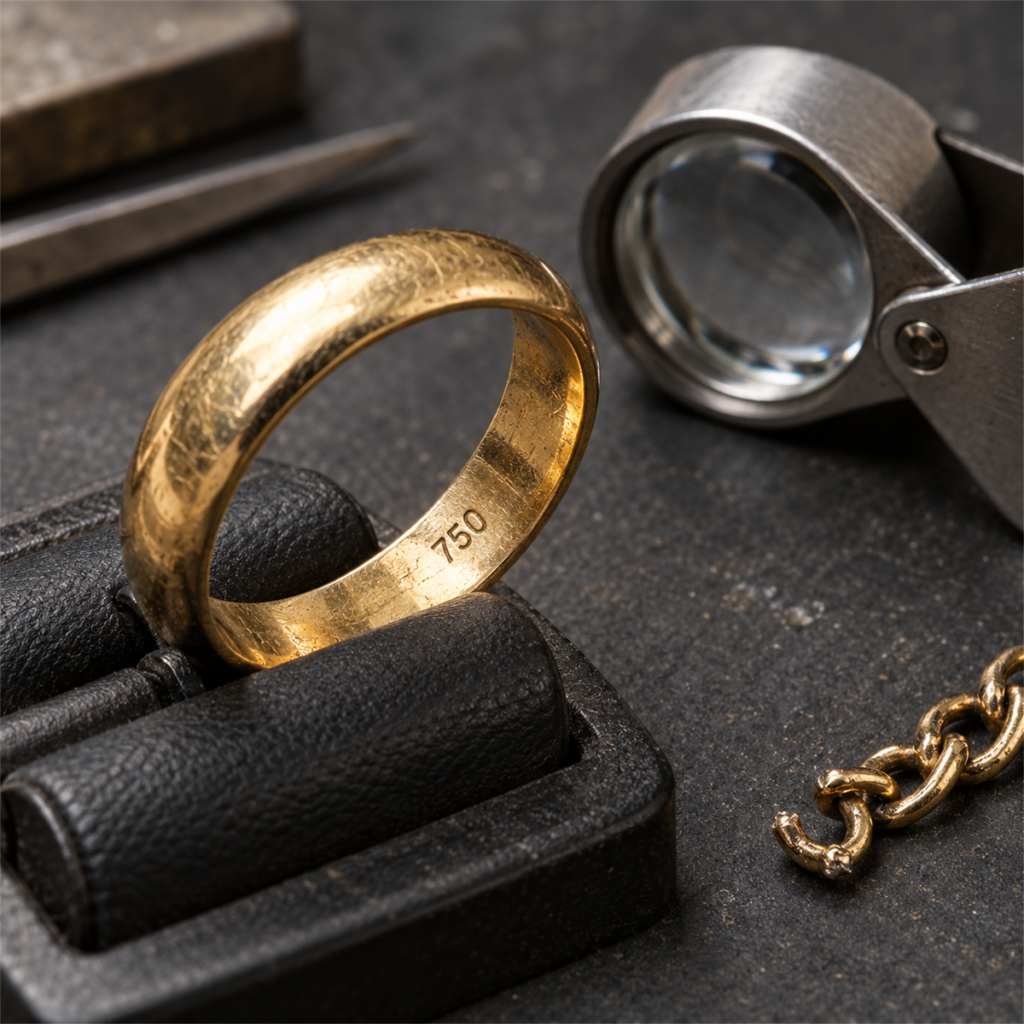
A receipt records one price, agreed between one buyer and one seller, on one day. A valuation is a different instrument altogether. It describes the metal and its fineness with the hallmark details, identifies each stone with estimated weights and measurements where stones are set, records cut, colour and clarity assessments, notes certificate numbers where laboratory reports exist, and attaches photographs.
The basis of value is the detail most buyers miss. A valuation for insurance replacement states what buying the ring new at retail would cost today. A probate valuation and an open market resale figure are different numbers prepared for different purposes, and they are usually lower. For cover, you want the document to say insurance replacement value, in those or equivalent words.
Estimated is also a word worth understanding rather than fearing. A valuer cannot unmount your stones, so weights for set stones are calculated from measurements and stated as estimates. A competent valuation says so openly. Where a loose stone was certificated before setting, the report number bridges that gap, which is one more reason the laboratory paperwork stays with the ring for life.
Independence is a spectrum, not a formality. A valuation supplied by the selling jeweller is common and insurers generally accept it, but a document from a valuer with no stake in the sale carries more weight if a claim is ever disputed. The recognised professional register in the UK is the Institute of Registered Valuers, operated by the National Association of Jewellers, and asking whether a valuer holds that registration is a perfectly normal question.
The process itself is straightforward. Book an appointment, bring the ring, every certificate and the receipt, and ask 2 practical questions when booking. Whether the piece is valued while you wait or retained, and what the fee is, since valuation fees are quoted per item on enquiry. The quarter’s concentration, minutes from the Farringdon Elizabeth line exit, means this rarely costs more than a lunch hour.
One document, properly prepared, also earns its keep beyond insurance. The same detailed description supports a travel claim abroad, shortens any probate exercise years from now, and gives a restorer an exact record of the ring’s original state if repair work is ever needed. Buyers tend to see the valuation fee as an insurance cost; the trade sees the document as the ring’s biography, and the trade has the better view.
Then keep the document alive. Precious metal prices rose sharply through 2025, and a ring valued several years ago is very likely underinsured today. Reviewing the valuation every few years, and immediately after any remodelling or resizing, keeps the cover honest.
Start with the single-item limit. Standard home contents policies cap what they will pay for any individual valuable, and engagement rings routinely exceed that cap. Anything above the limit must be separately specified on the policy, with the valuation lodged or held ready. An unspecified ring above the limit is the most common and most avoidable failure in jewellery insurance.
Then read for 5 specific points. Whether settlement is new-for-old replacement or a cash sum. Whether cover applies away from home and abroad, since rings travel on hands. Any conditions about safes or when the ring is not being worn. The excess. And how the insurer settles: many prefer replacement through nominated jewellers, so if you would want to return to the Hatton Garden workshop that made the piece, confirm the policy allows a jeweller of your choice.
It is also worth knowing that a contents policy is not the only route. Standalone jewellery insurance exists as its own market, and for a significant ring it can be the better instrument. Compare the 2 on the same 5 points rather than on premium alone; a cheaper policy that settles in cash at the insurer’s discretion is not the same product as one that restores the ring you actually commissioned. Neither option is universally right, which is precisely why the comparison is worth an evening.
A claim ultimately stands on paperwork, not memory. Valuation, certificates, photographs and the receipt together put the question of what you owned beyond argument. The purchase itself carries separate statutory protection, which is its own subject.
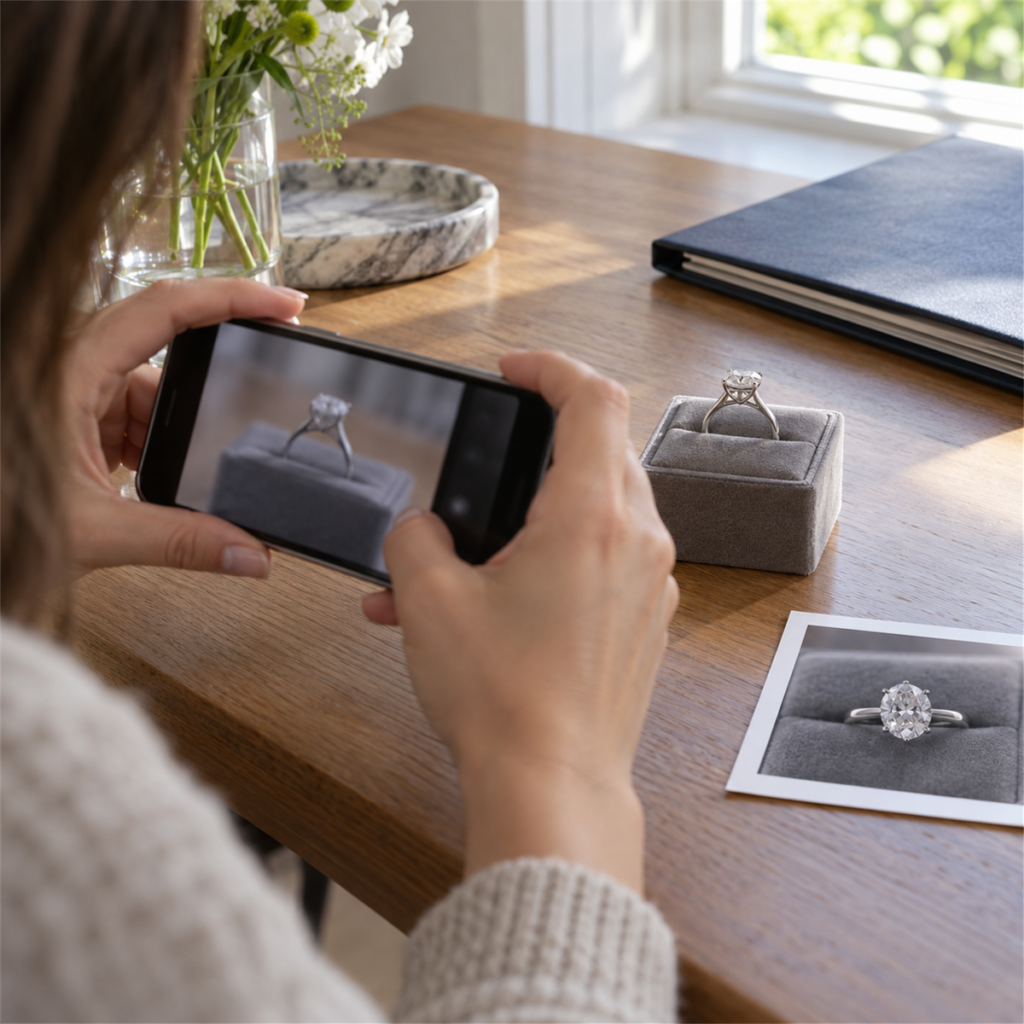
Store the valuation, certificates and receipt separately from the ring, with digital copies photographed and backed up. Documents kept in the ring box insure nothing if the box is what goes missing. The habit takes 10 minutes and outperforms every other precaution available.
Fun fact: The word hallmark comes from Goldsmiths’ Hall in London, where the Goldsmiths’ Company has tested and marked precious metals since receiving its royal charter in 1327.
Treat certain events as automatic triggers to update the paperwork. A resize, a remodel, a replaced stone or a new shank all change what the ring is, and the valuation should change with it. Tell the insurer when the valuation changes materially; cover based on a description that no longer matches the ring invites exactly the dispute the paperwork exists to prevent.
Book the valuation within weeks of collection, not years. A buyer who leaves the quarter with the ring, the certificates and an appointment made has done the one thing that protects the purchase against every later argument. Ask for insurance replacement value as the stated basis, confirm the ring is specified on the policy rather than sheltering under a contents limit, and put a review date in the diary. A ring bought in 2026 should carry a valuation dated 2026, not a receipt quietly doing a job it was never designed for. Handled this way, ring insurance and valuation in Hatton Garden take a single afternoon in the quarter, and the protection they buy lasts as long as the ring does.